












































-
 Maria MikhaylenkoGlobal MD, Roland Berger
 -
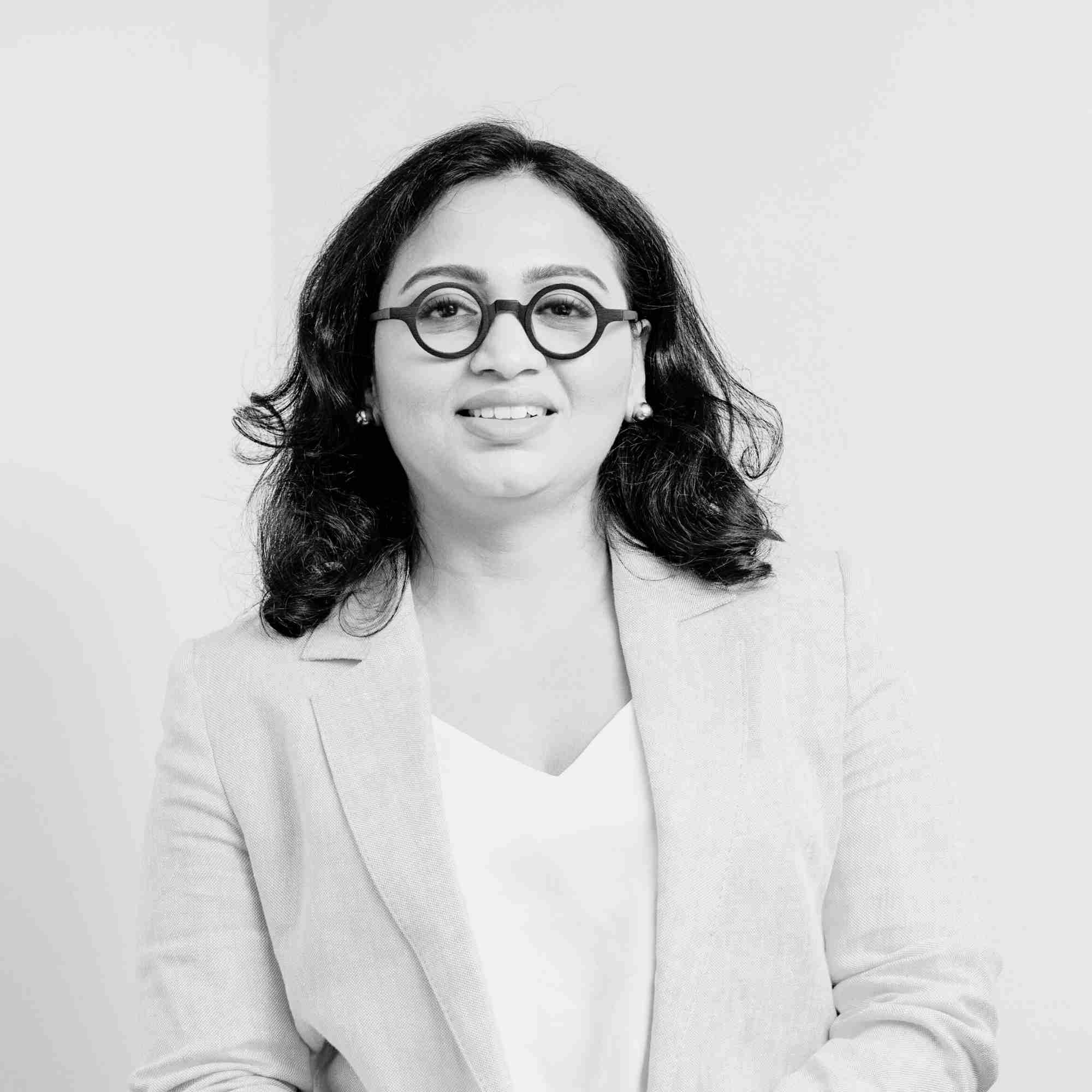 Rupa DashFounder & CEO, World Woman Foundation
-
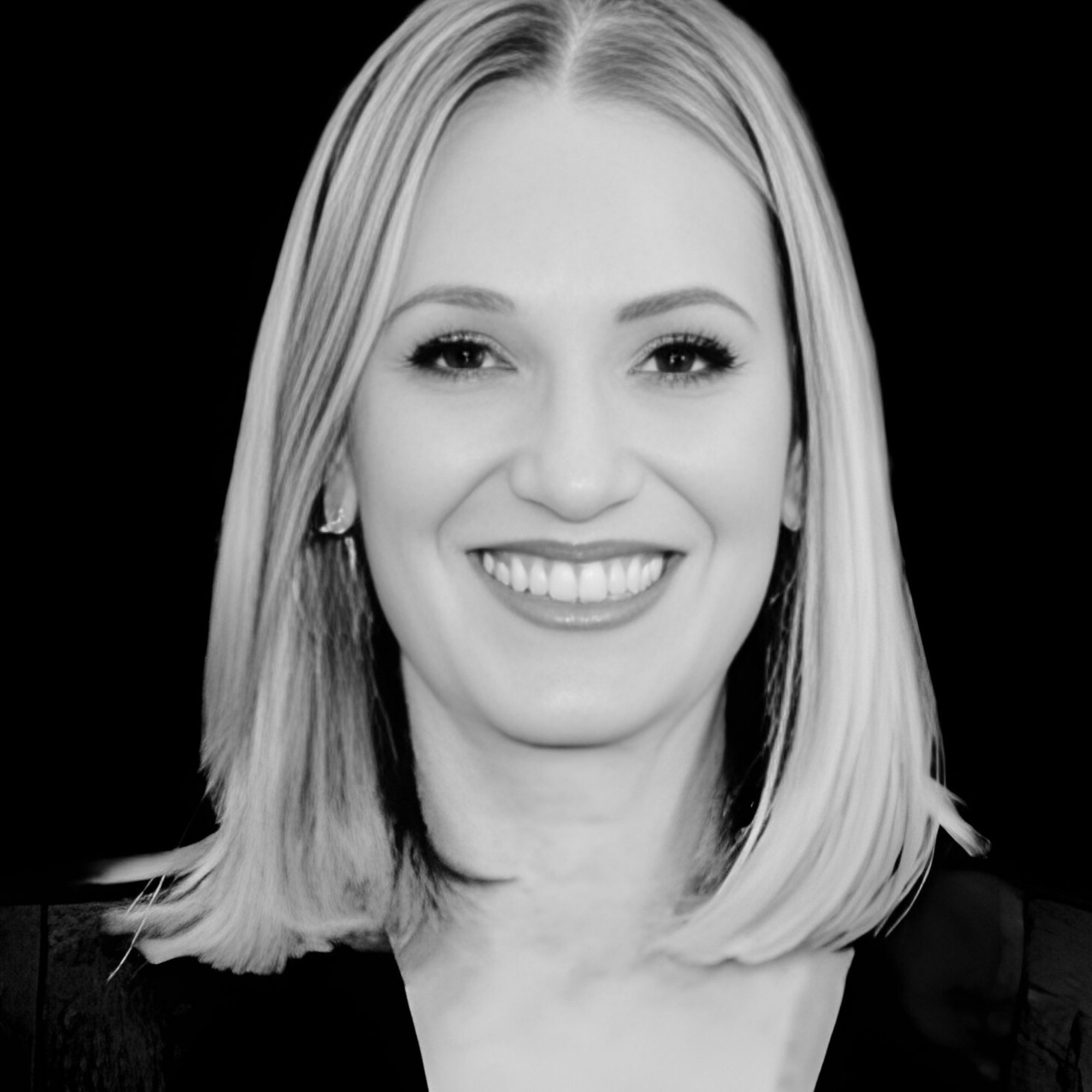 Sherry, PhilipsCEO at Forbes Media
 -
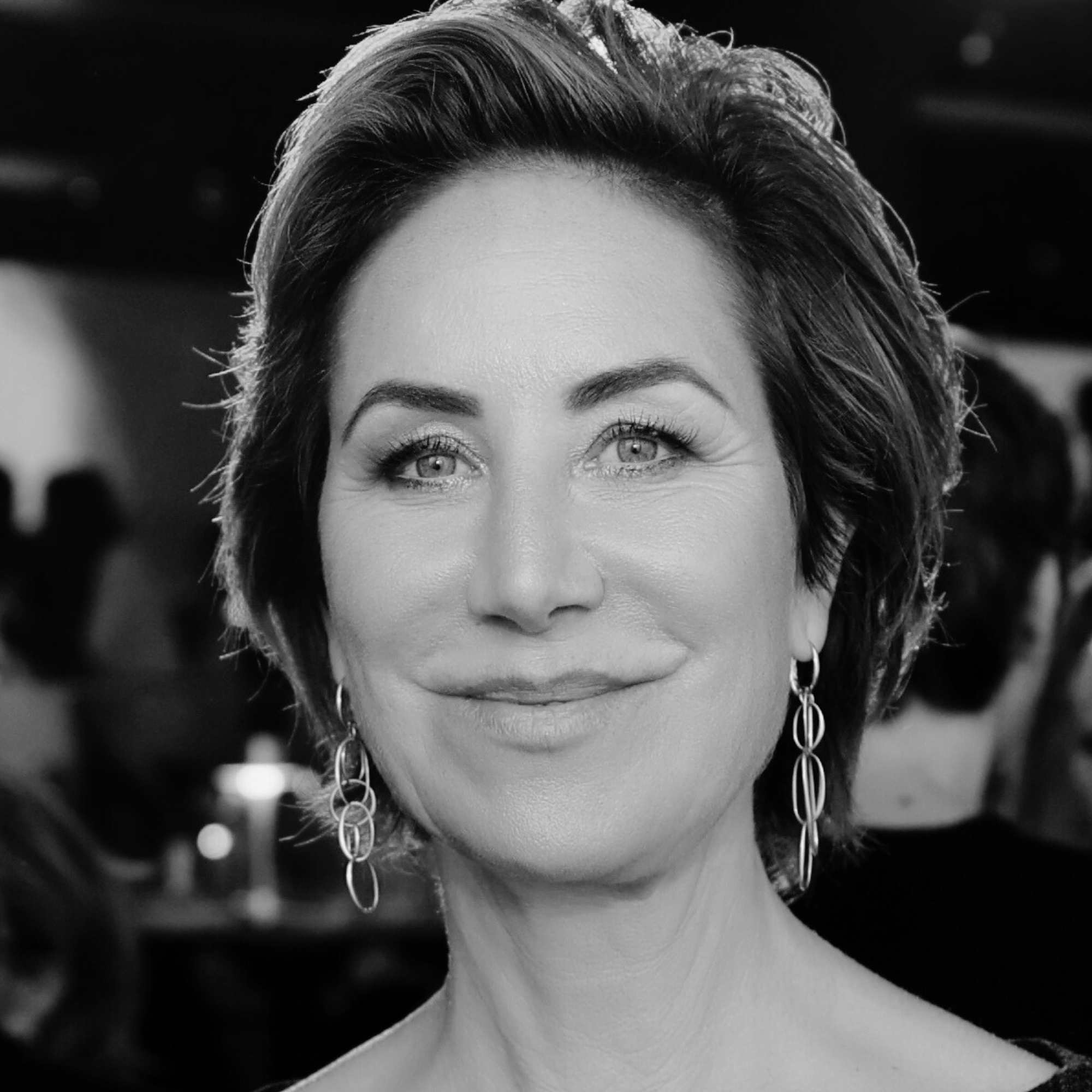 Carolina Müller-MöhInvestor, Philanthropist, Equality Advocate
 -
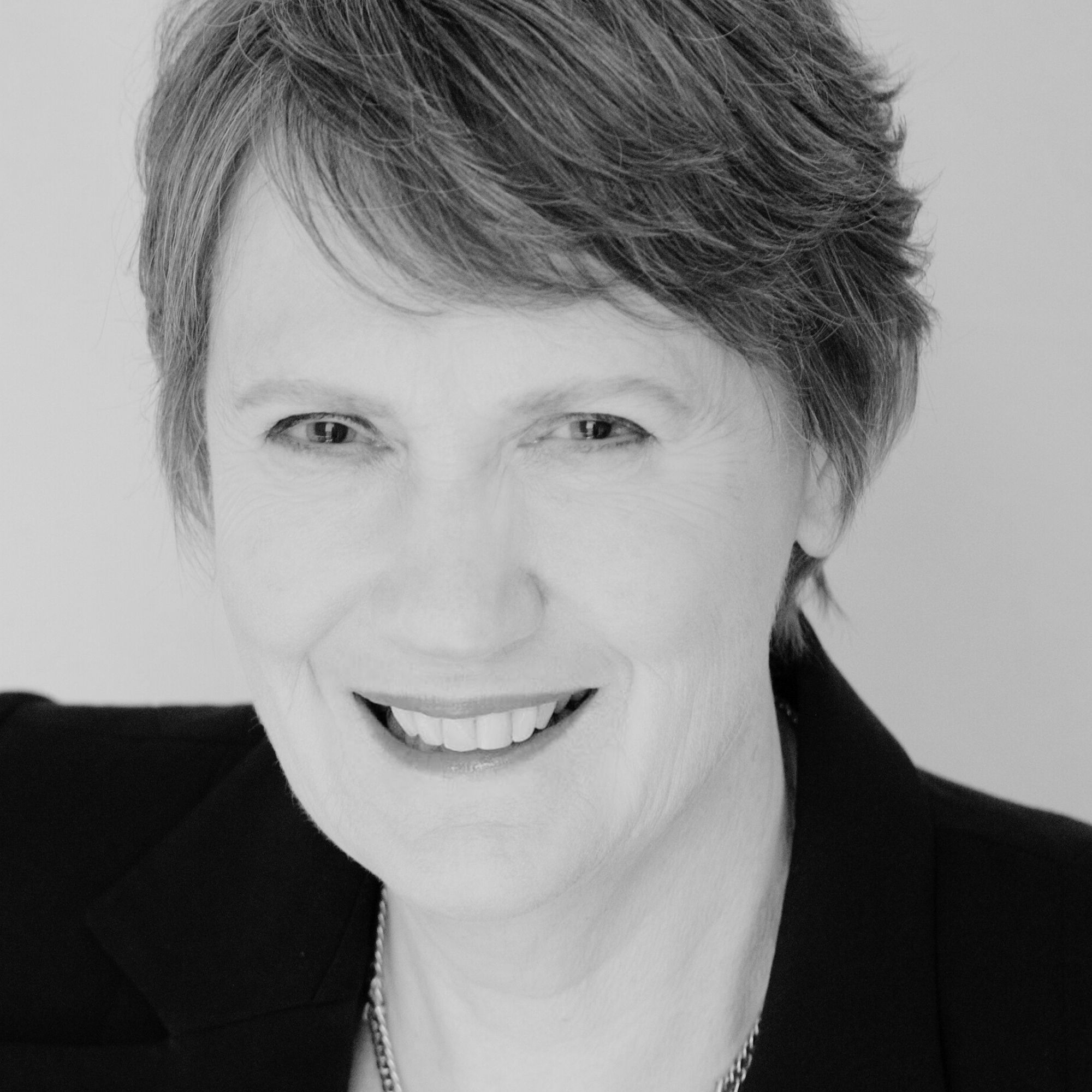 Helen ClarkFormer Prime Minister of New Zealand
-
Sherry, PhilipsCEO at Forbes Media
-
 Nicola MendelsohnVP, Global Business Group, Meta
 -
 Anu JainEntrepreneur, Philanthropist, Advocate for Women’s Health and Innovation
 -
 Kariman AbuljadayelSaudi Arabian Athlete, Olympian& Guinness World Record Holder
AI isn’t on the horizon—it’s here. Instead of viewing AI adoption as a future challenge, this session addresses the real-world friction happening today: individuals and organizations already have access to powerful tools but lack the frameworks, literacy, and confidence to use them effectively. The conversation explores how AI literacy—not coding or futuristic capabilities—is the essential upskilling requirement of our time. It will delve into how uniquely human skills such as critical thinking, intuition, and creativity become even more valuable in an AI-integrated workplace.
-
 Whitney BairdPresident & CEO, United States Council for International Business
 -
 Nathalie ScardinoChief People Officer, Salesforce
 -
 Melike Yetken KrillaHead of International Organizations, Google
 -
 Lisa SchroeterGlobal Director of Trade and Investment Policy, Dow
 -
 Florian FleischmannGlobal Director SWP & Managing Director at HRForecast, and SVP New Product Dev. at TalentNeuron
This session explores how organizations can achieve lasting, enterprise-wide reinvention by strategically integrating next-generation AI technologies—including but not limited to agentic AI—to drive innovation, efficiency, and new value creation This discussion will highlight, as AI capabilities evolve at breakneck speed, why organization must not only adopt these tools but also build the capacity for continuous learning, rapid iteration, and ongoing modernization of systems and skills
-
Maria MikhaylenkoGlobal MD Roland Berger
-
 Tanuja RanderyDirector, AWS EMEA
 -
 Alexandra StrassburgerCIO Sales, Mercedes
This session will address how to strategically capitalize on the proven success of women's leadership in driving climate and energy goals. Research shows that empowering women yields powerful returns: companies with more women on their boards are 60% more likely to reduce energy consumption and 39% more likely to lower greenhouse gas emissions. 3 Countries with more women in parliament are more likely to have stricter climate policies and ratify environmental treaties. 4 Companies with more women in senior management see a 30% higher return on equity. 5 This session will bring together the most influential women in climate, energy, and development to answer two critical questions: How do we get more women into leadership positions, and how do we leverage their influence to accelerate change and foster a just energy transition?
-
 Alina TrabattoniInternational Journalist
 -
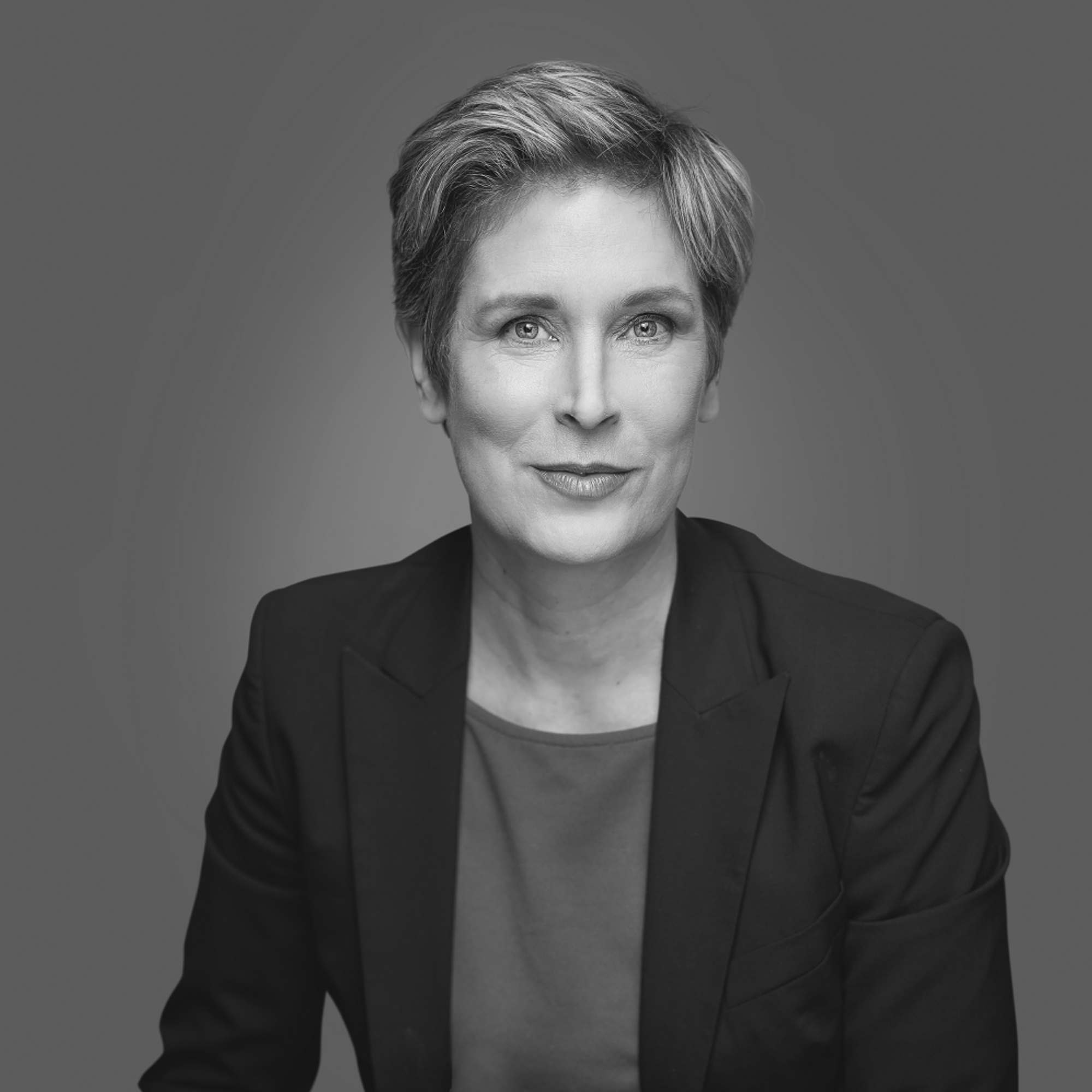 Silvana Koch-MehrinPresident and Founder of Women Political Leaders (WPL)
 -
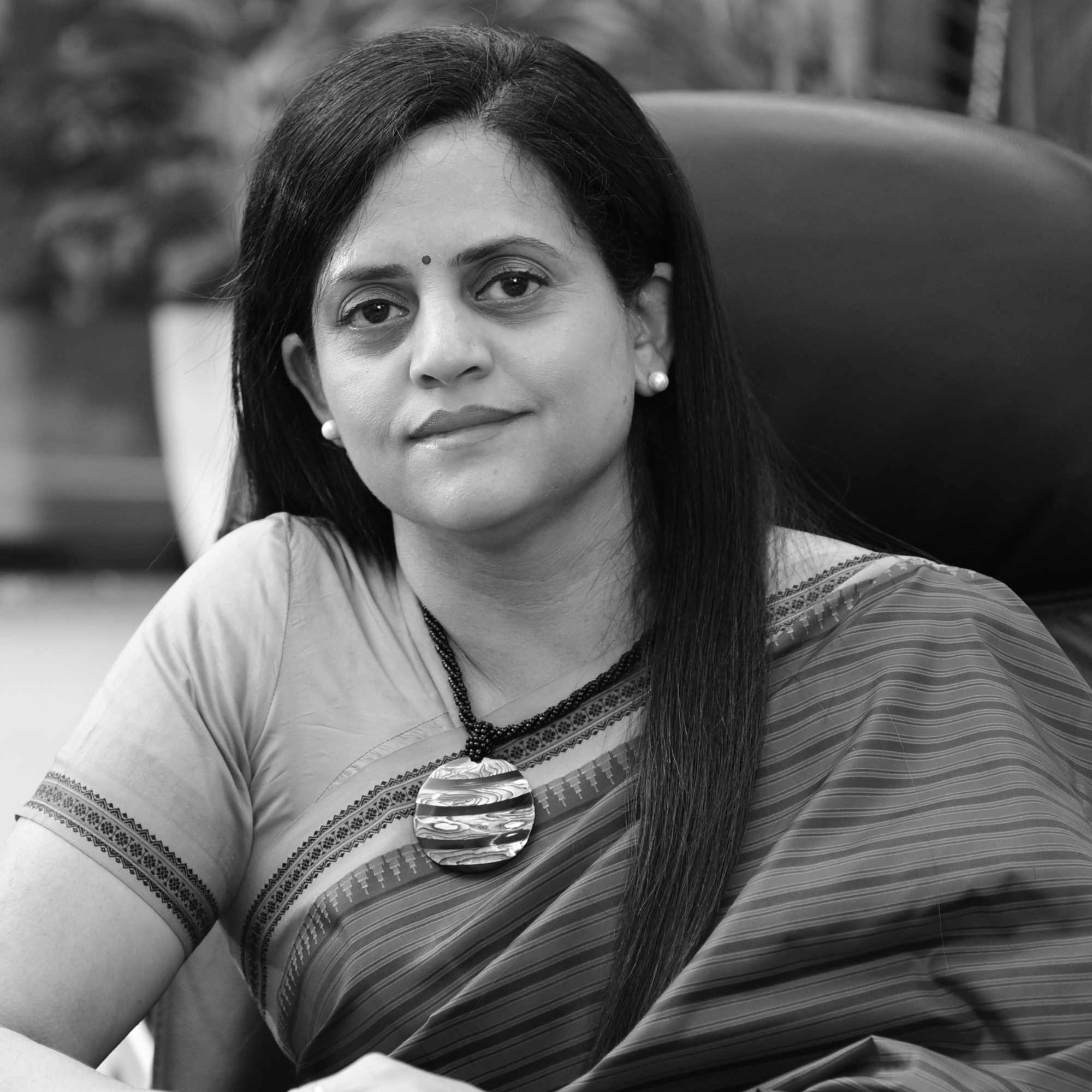 Ashwini Bhide, IASAdditional Chief Secretary to the Chief Minister, Maharashtra
 -
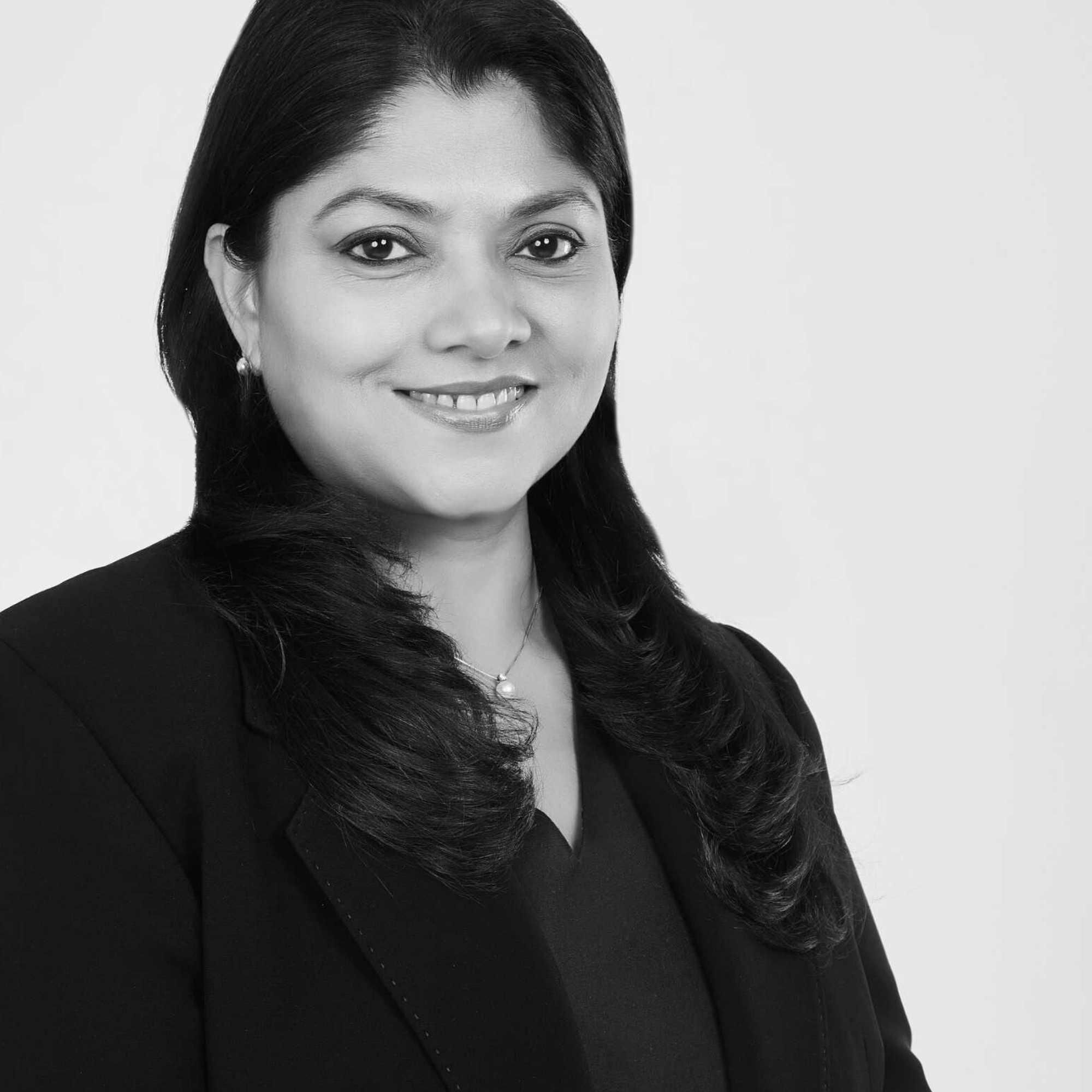 Vaishali Nigam SinhaCo-Founder, ReNew
This session brings together pioneering women leaders who are reshaping governance and business through intuition, bold decision-making, and resilient, inclusive leadership.
-
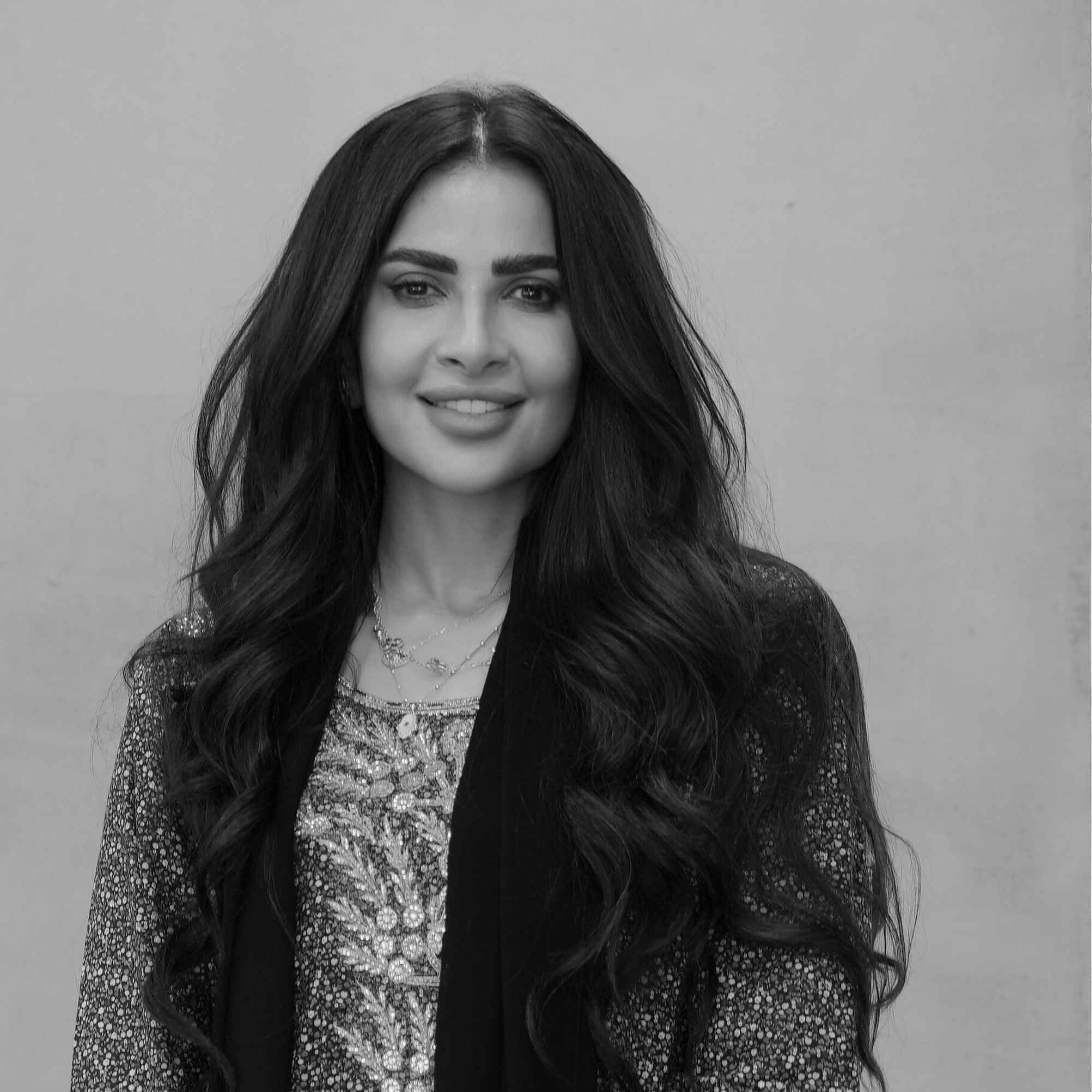 Hind khlaifatMedia Personality and Visual Artist
 -
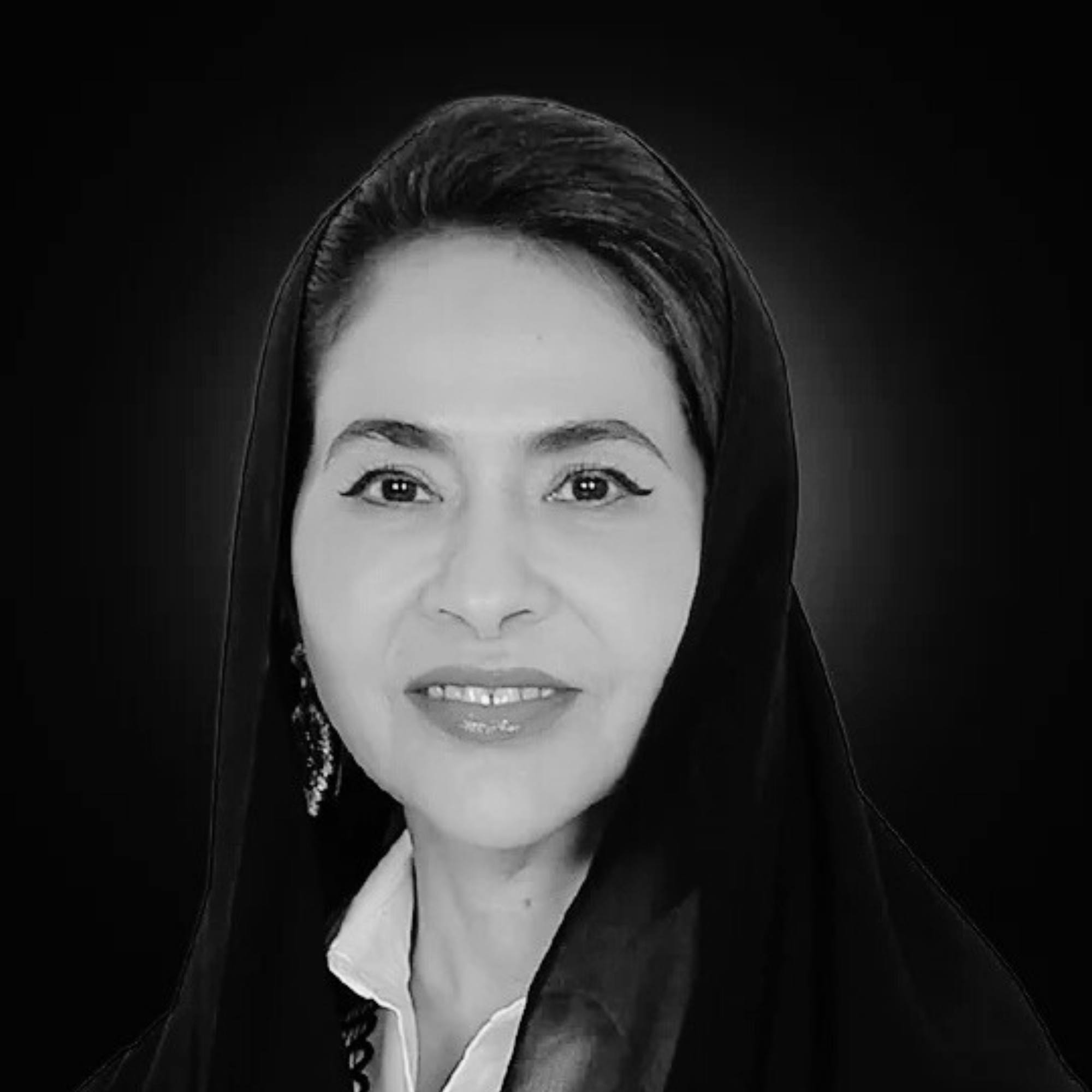 H.H. Sheikha Dr. Shamma Mohammed Khalid Al NahyanChairperson of the Board, Sheikh Mohammed Bin Khalid Al Nahyan Cultural and Educational Institutions
Business and policy leaders will discuss the role of equity and inclusion in driving innovation and competitiveness. The session uncovers practical approaches to empowering women and creating sustainable impact.
-
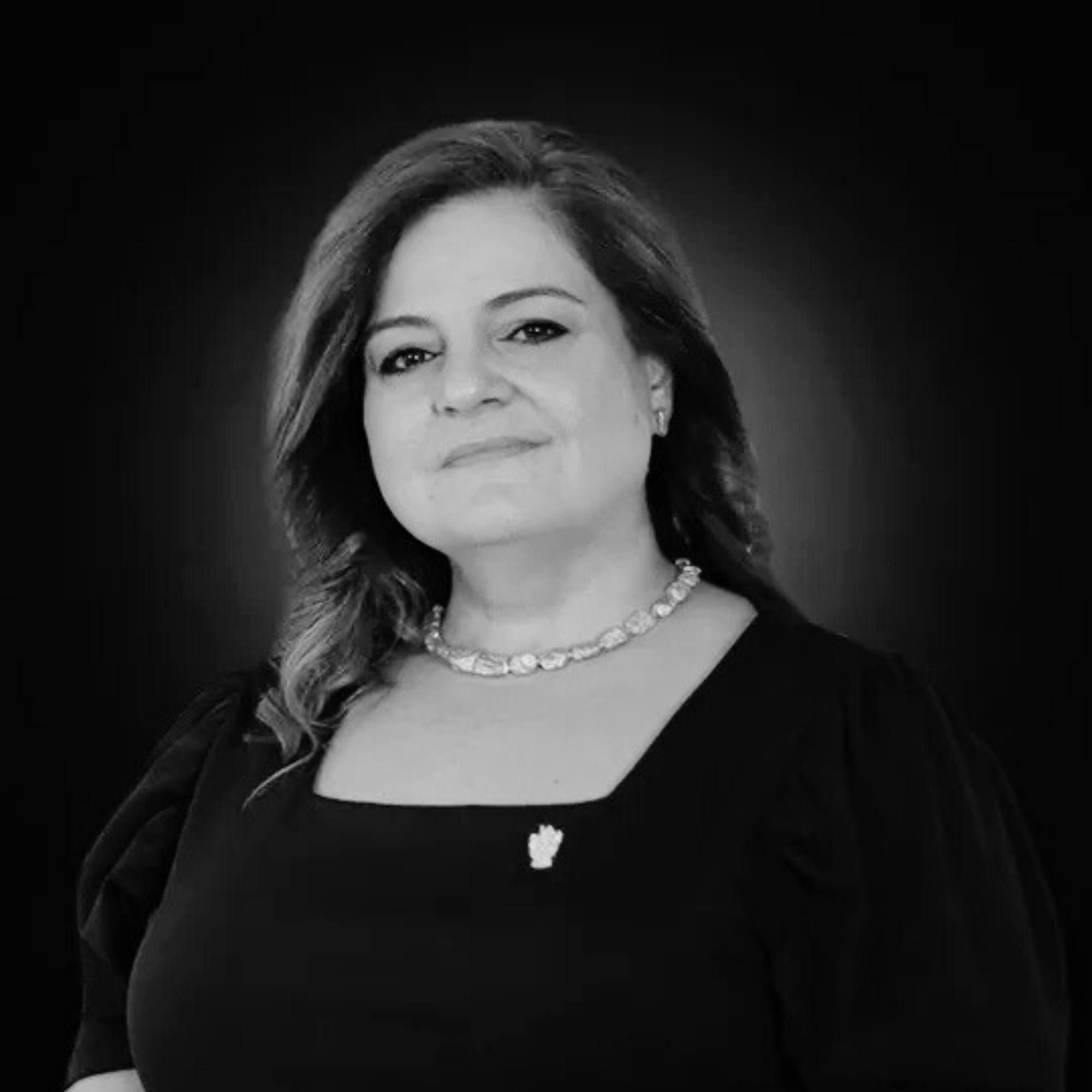 Randa BessisoFounding Director - Middle East, The University of Manchester
 -
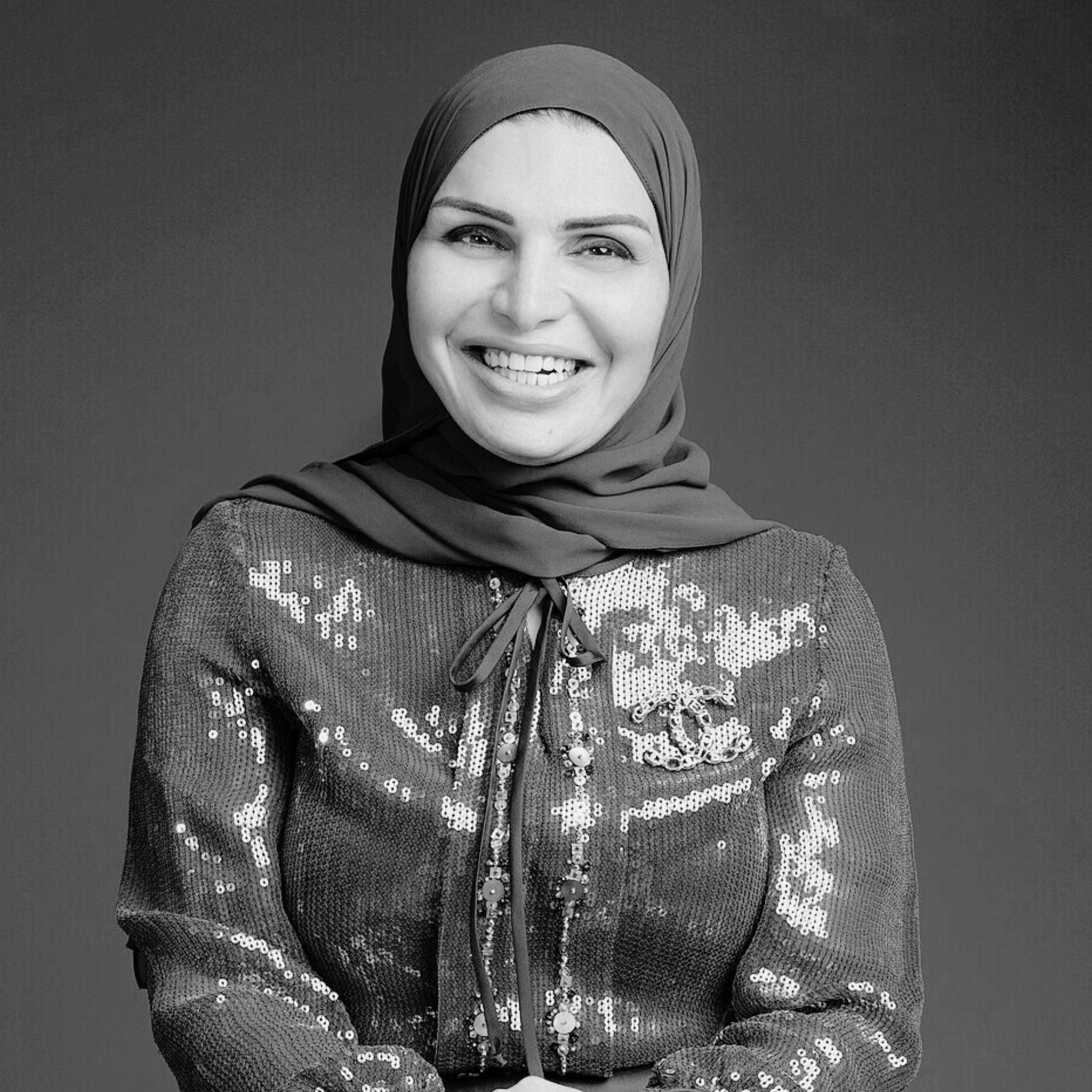 Lujaina Mohsin Haider DarwishChairperson, MHD ACERE
 -
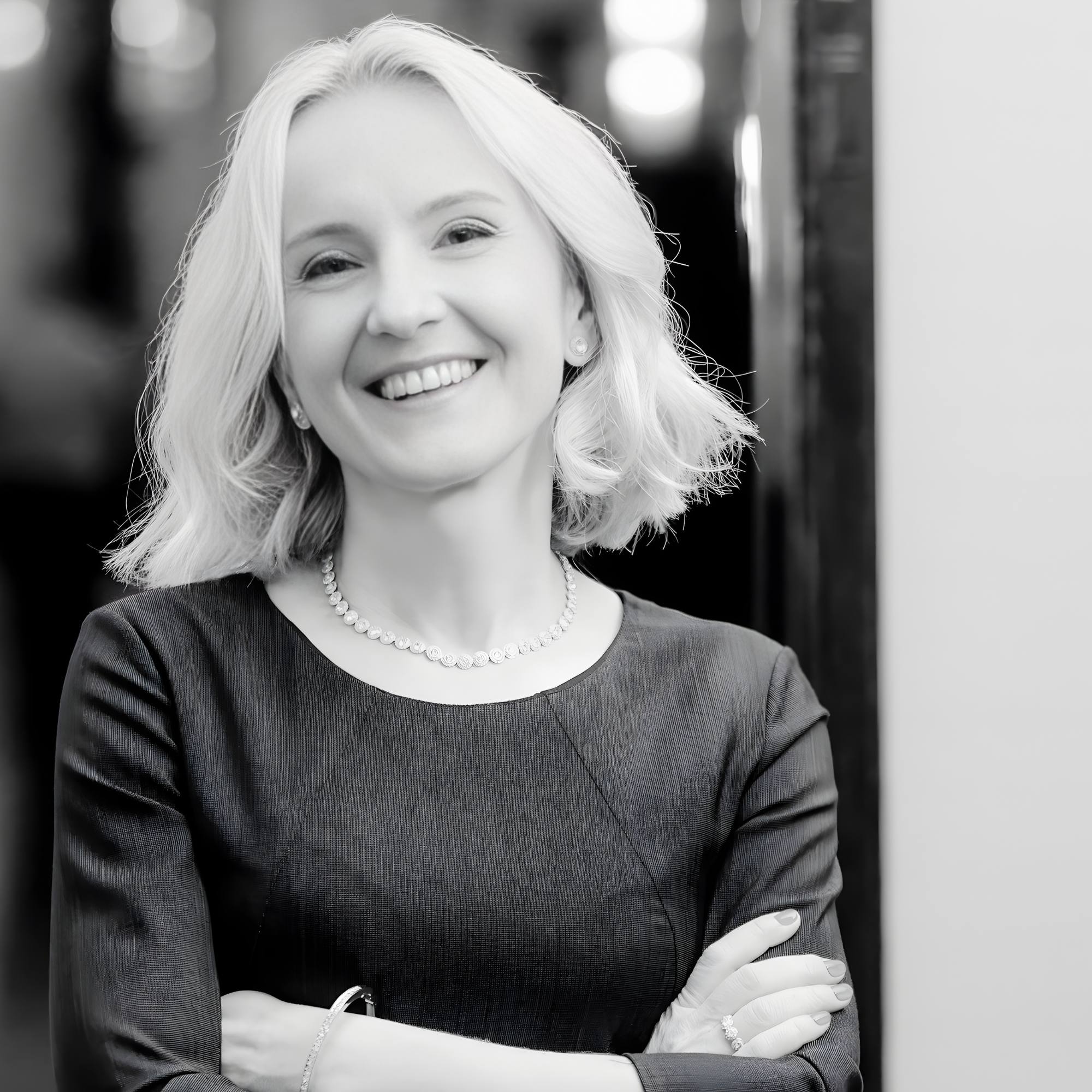 Andrea GontkovičováVP Corporate Affairs, Philip Morris International
-
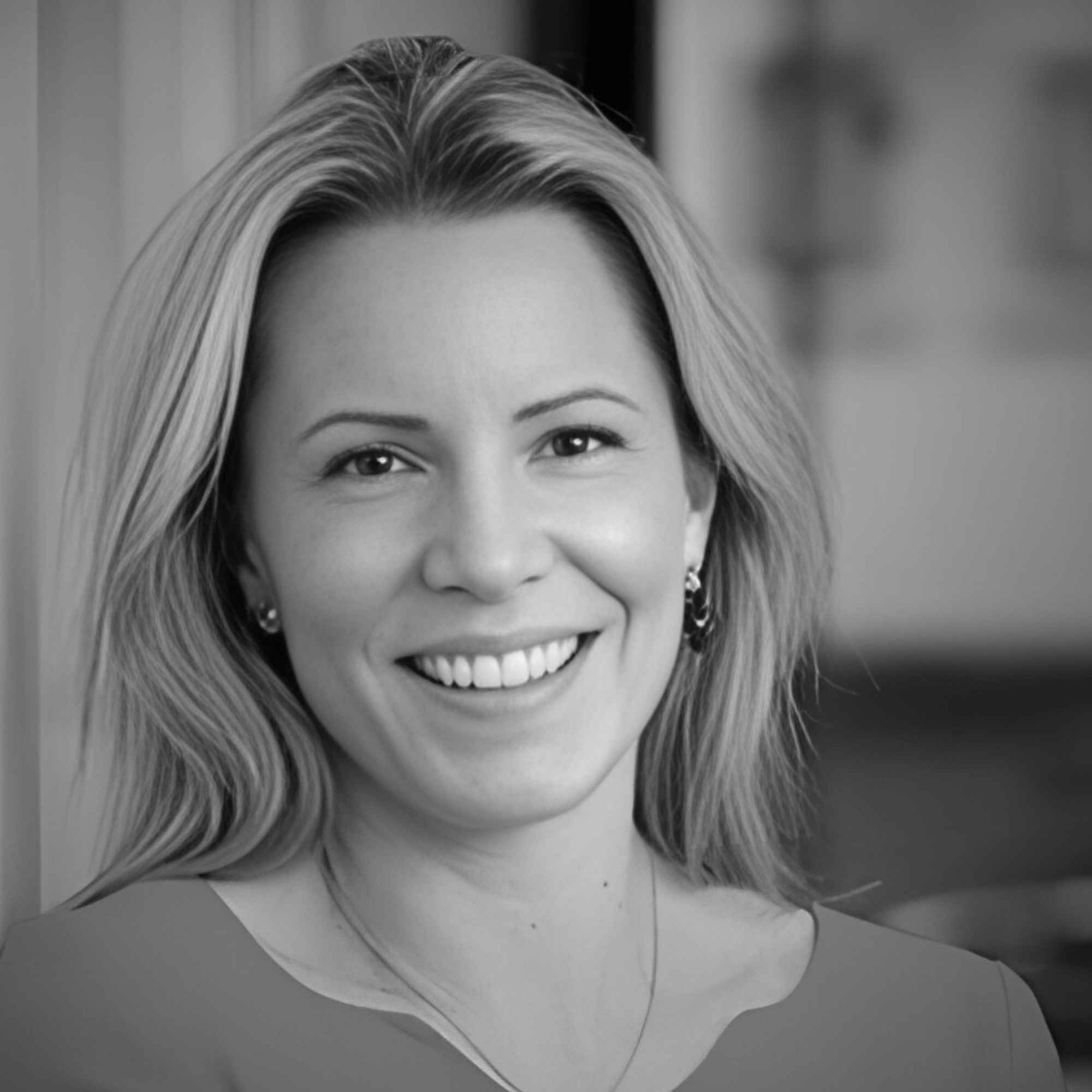 Hetty PyeMember of the Board and CEO Advisory Partners at Russell Reynolds Associates
 -
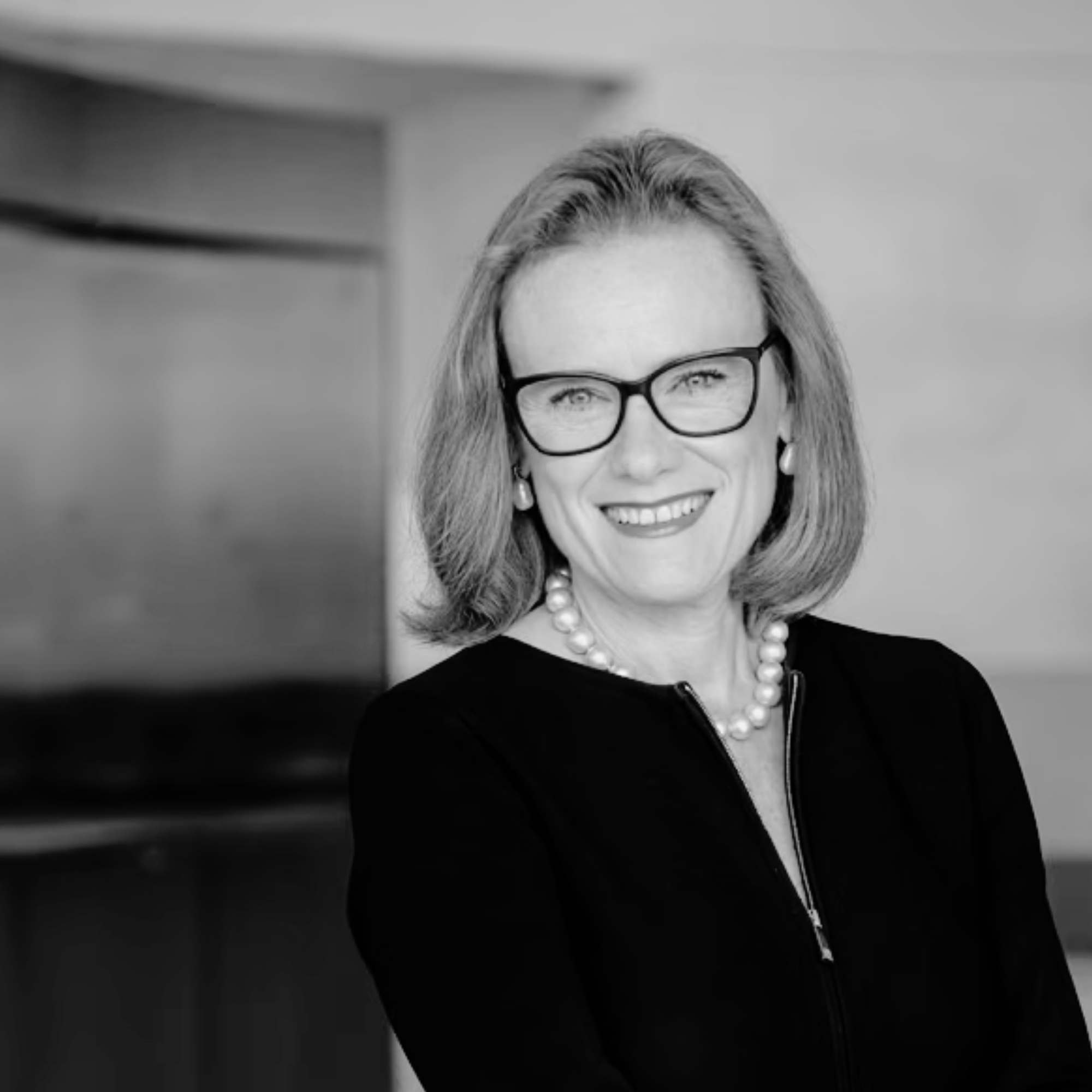 Belen GarijoCEO, Merck
 -
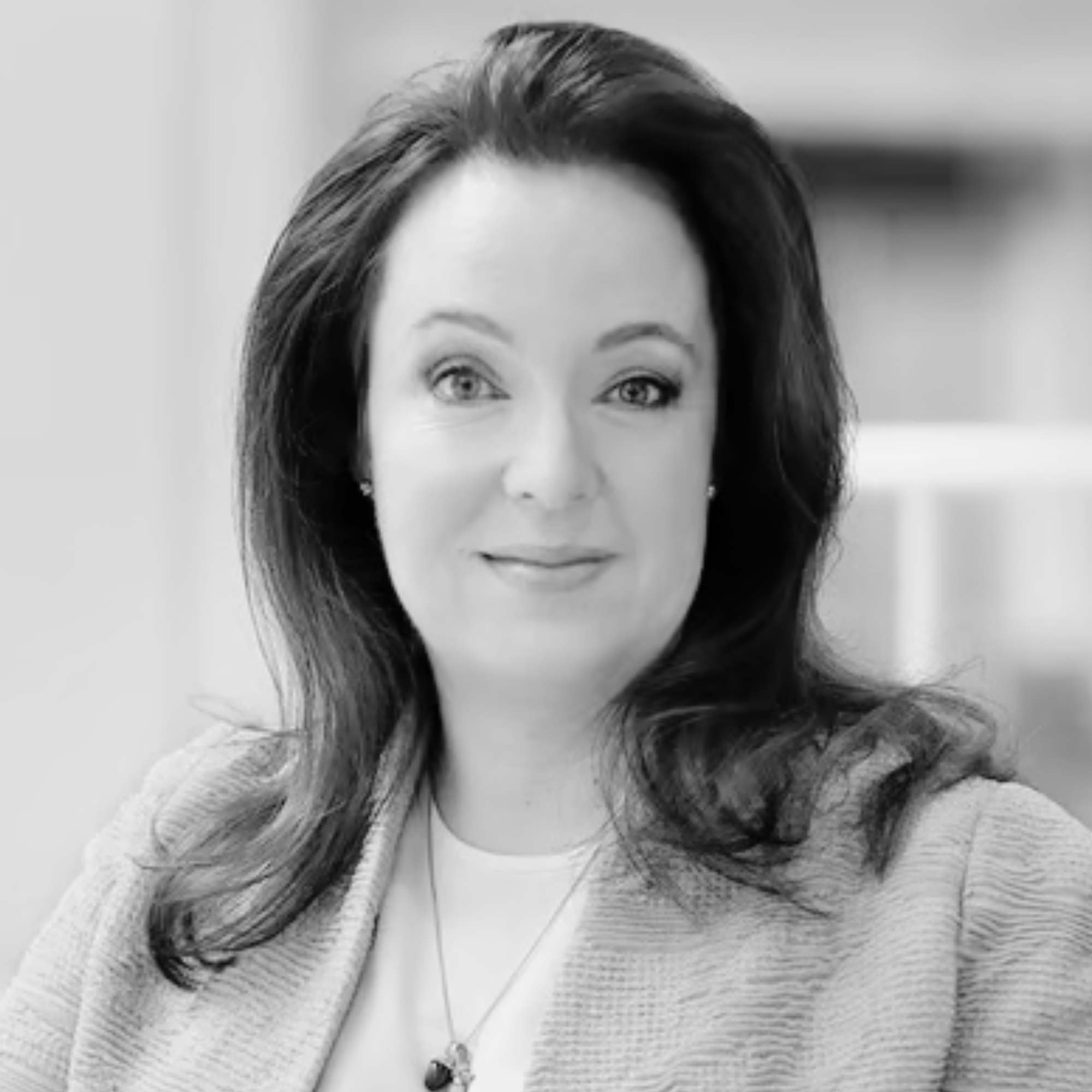 Anna BorgCEO, Vattenfall
 -
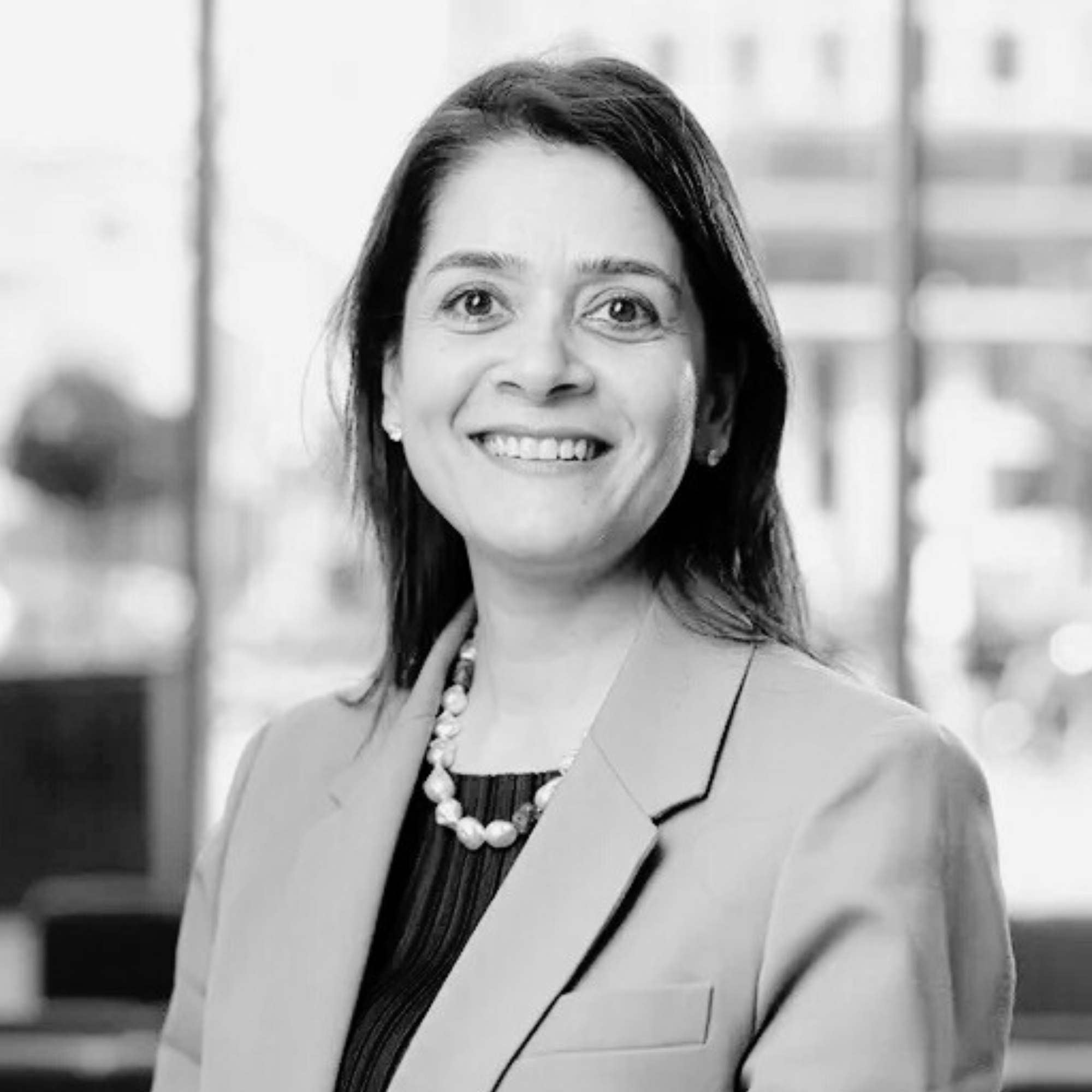 Tanuj KapilashramiChief Strategy & Talent Officer, Standard Chartered
-
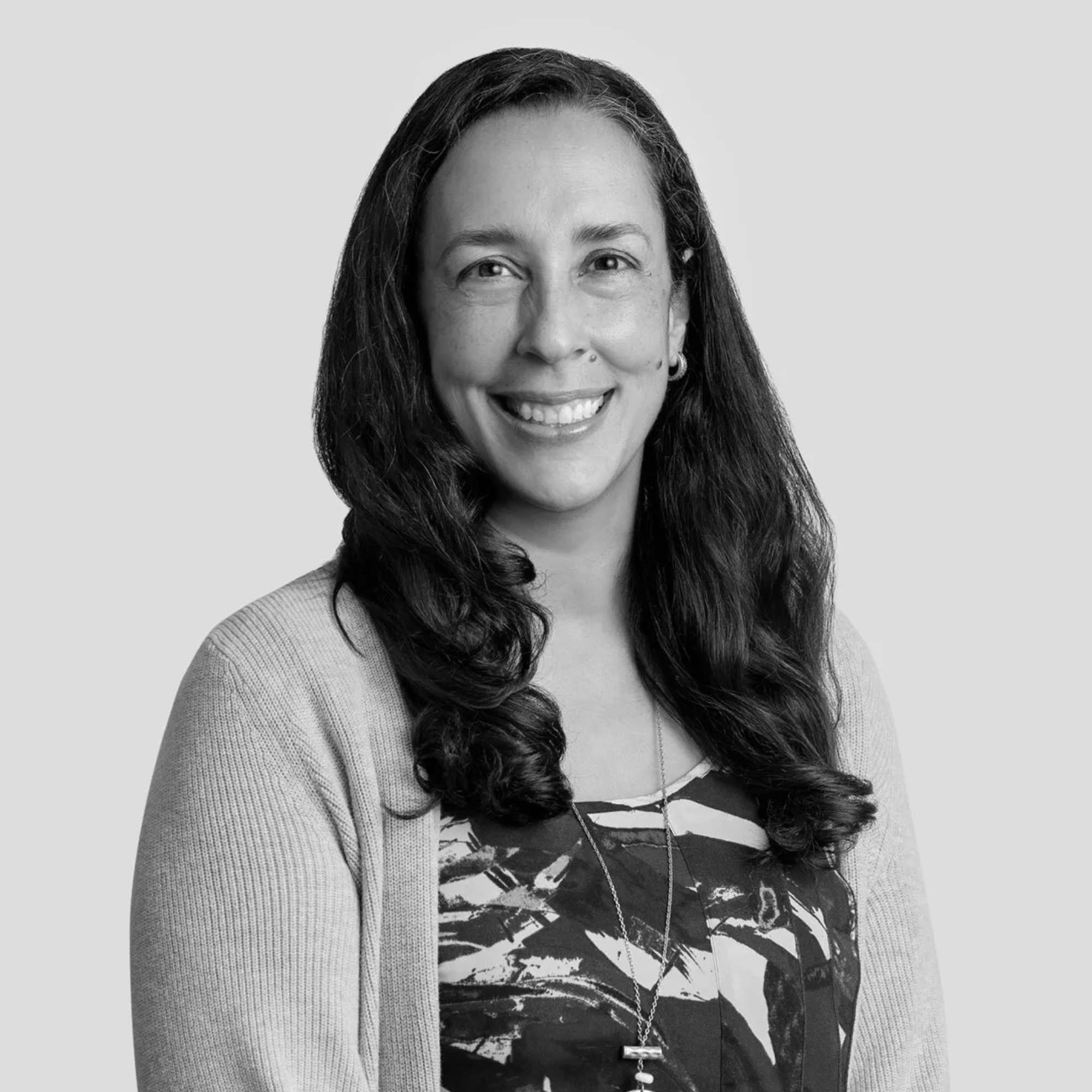 Diana MarreroChief Partnerships Officer, Foreign Policy.
,
-
 Andrew SollingerCEO & publisher of Foreign Policy
 -
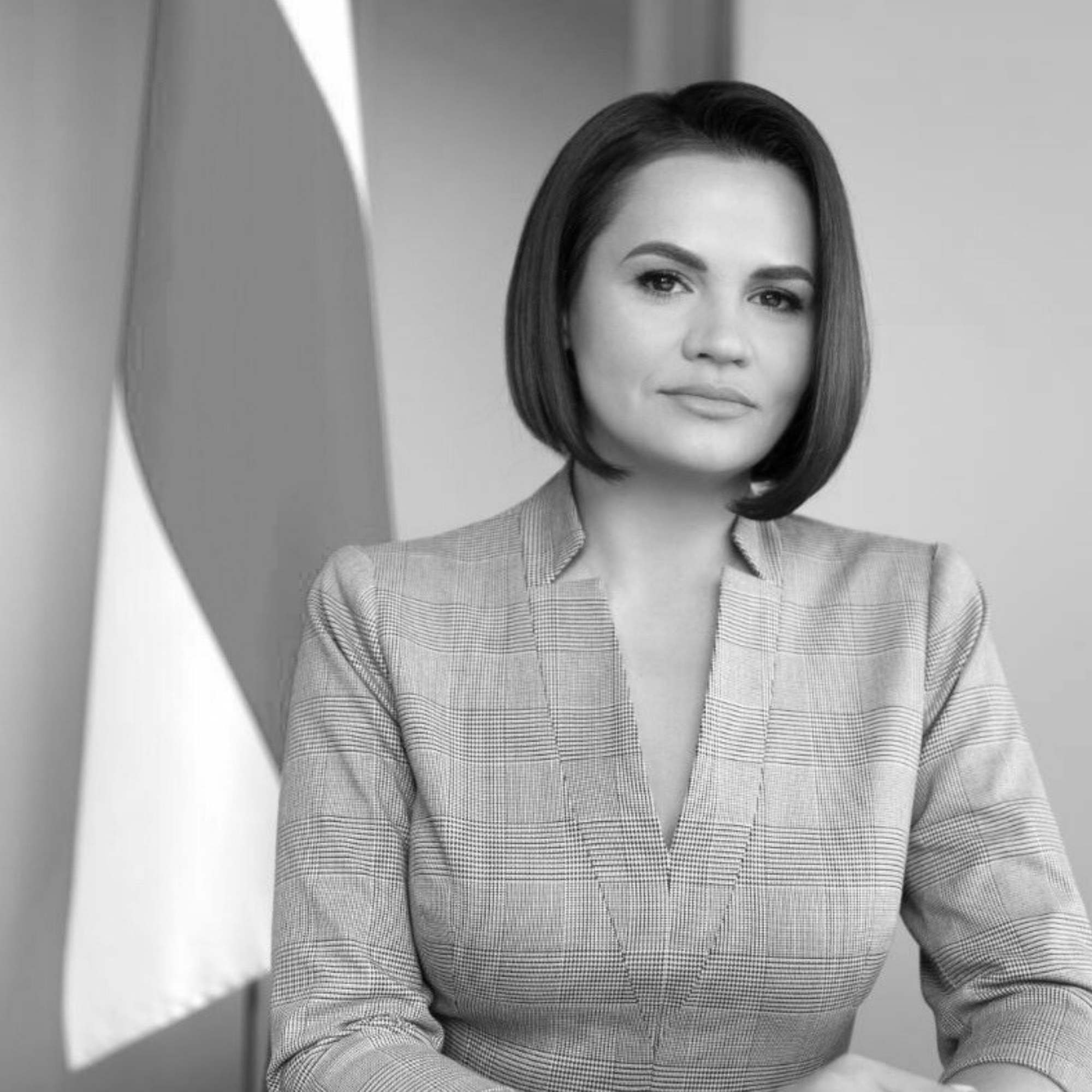 Sviatlana TsikhanouskayaLeader of the Democratic Forces of Belarus
-
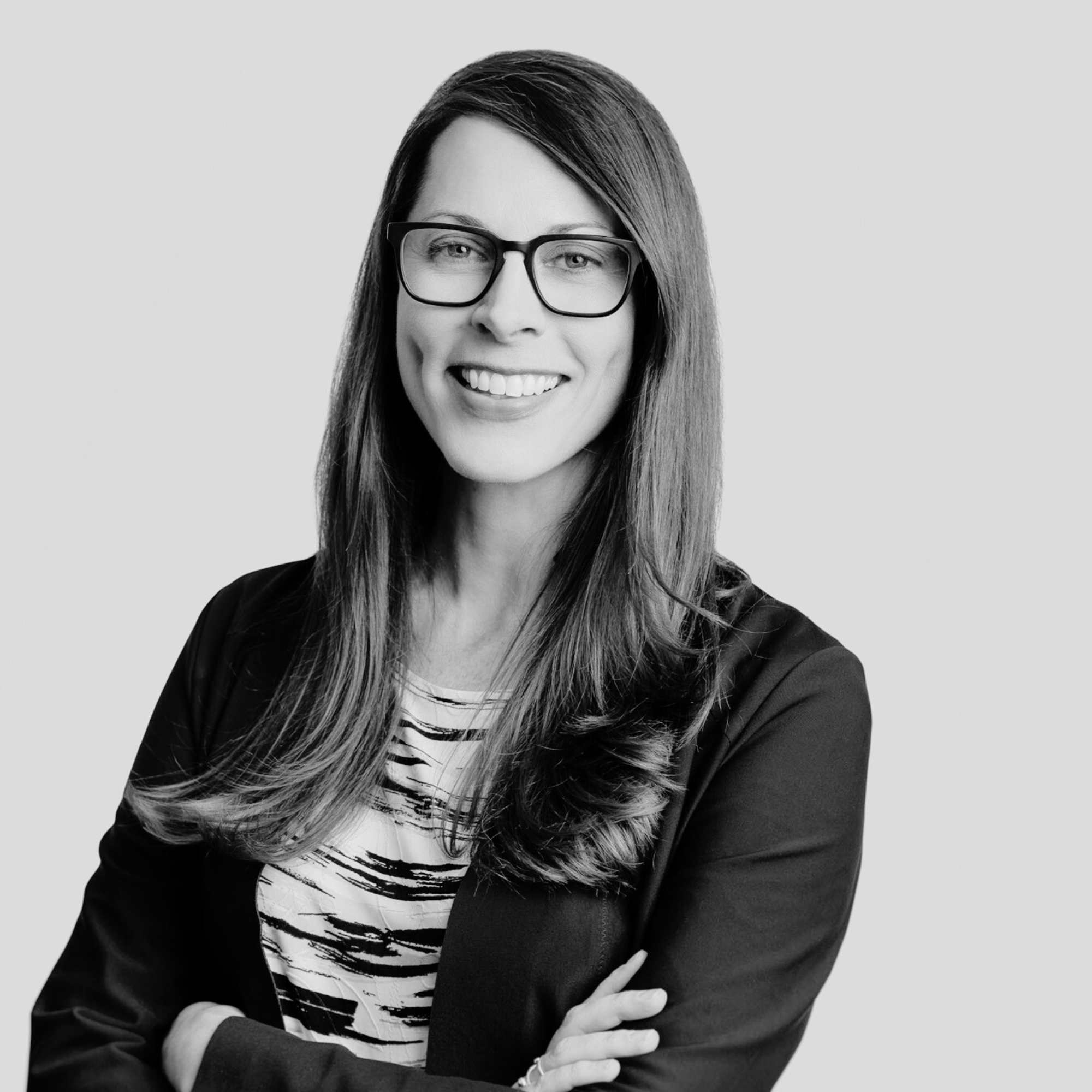 Allison CarlsonExecutive Vice President, Foreign Policy
 -
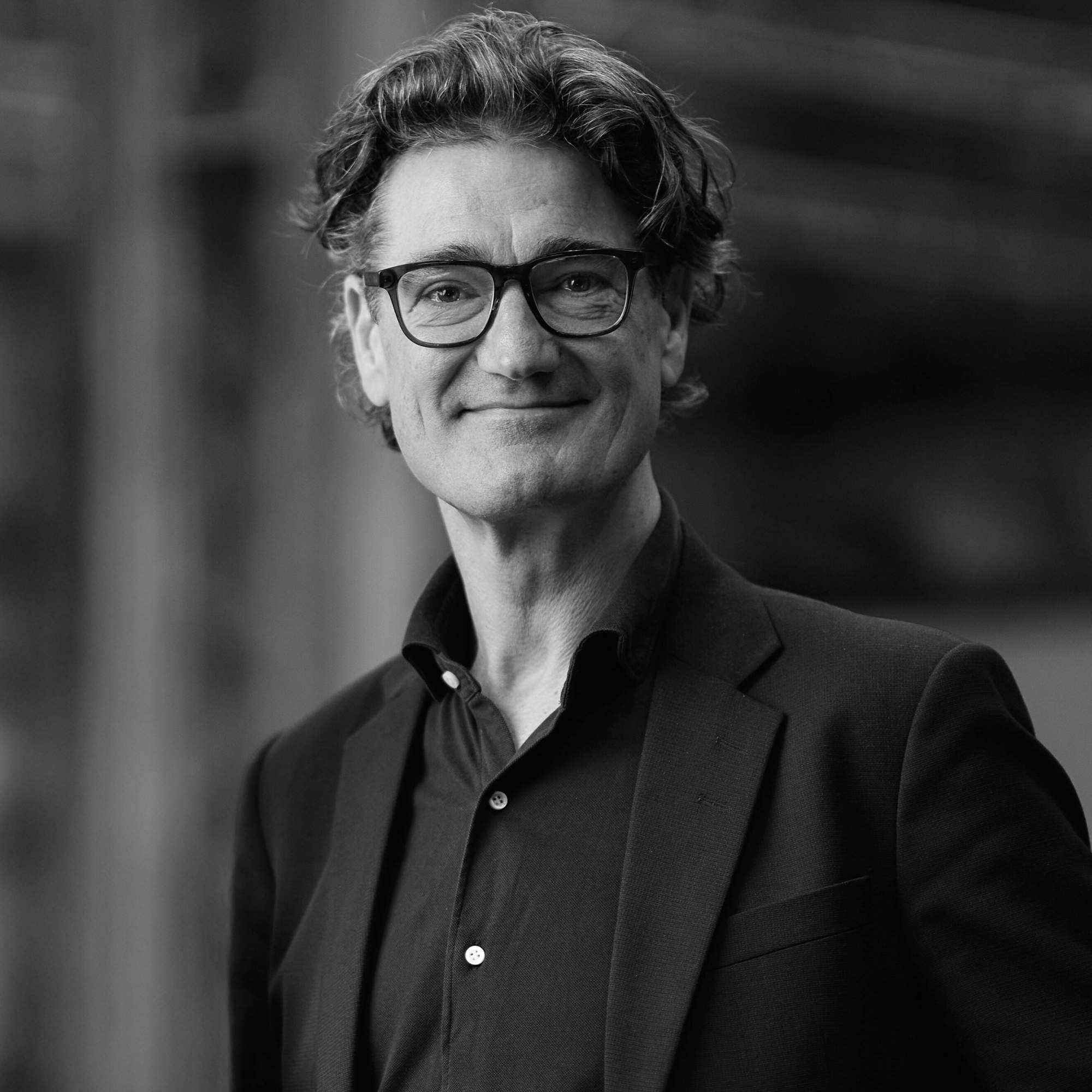 Mads Twomey-MadsenSenior Vice President, Sustainability & Communications, Pandora
-
Allison CarlsonExecutive Vice President, Foreign Policy
-
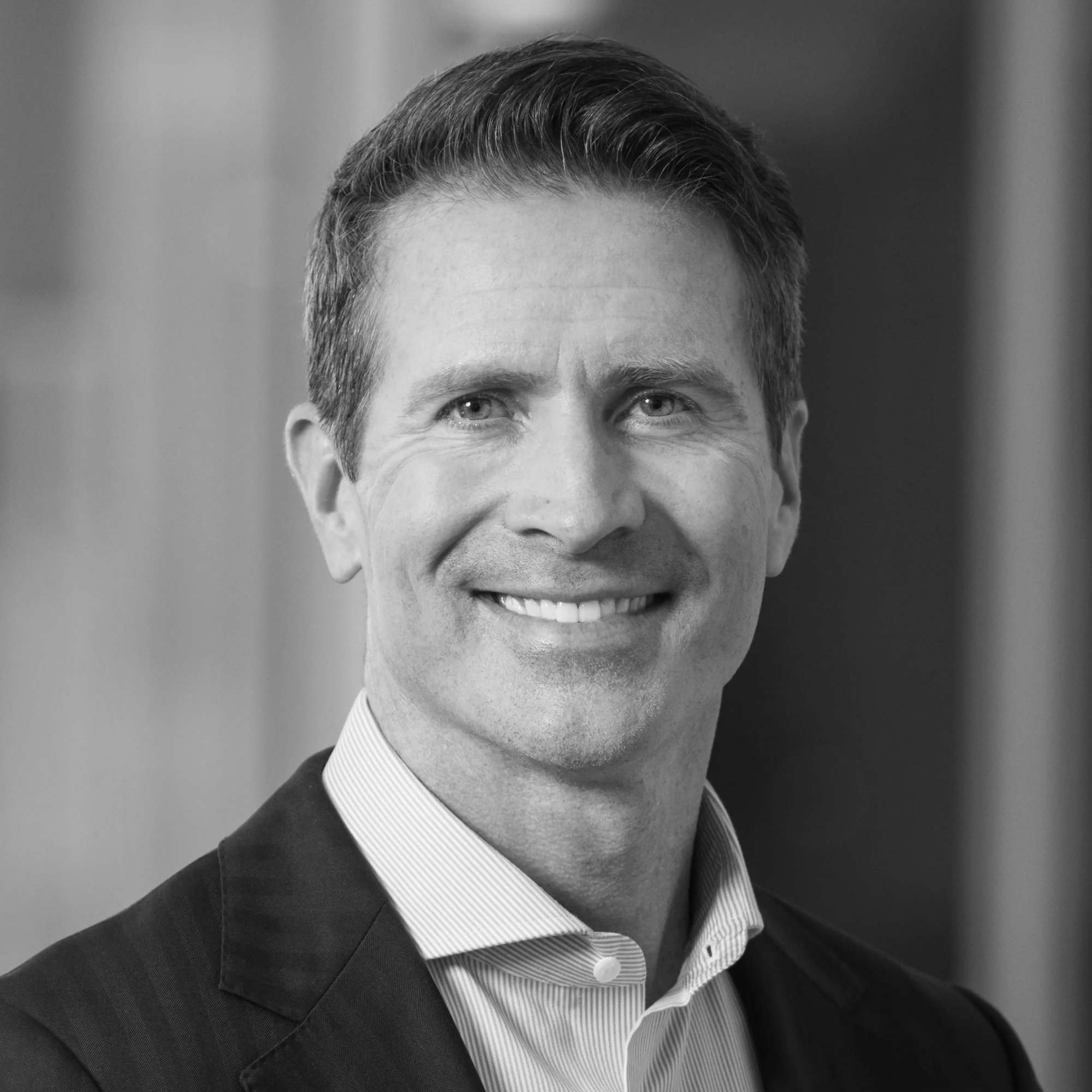 Joseph RomanelliPresident, Human Health International, MSD
 -
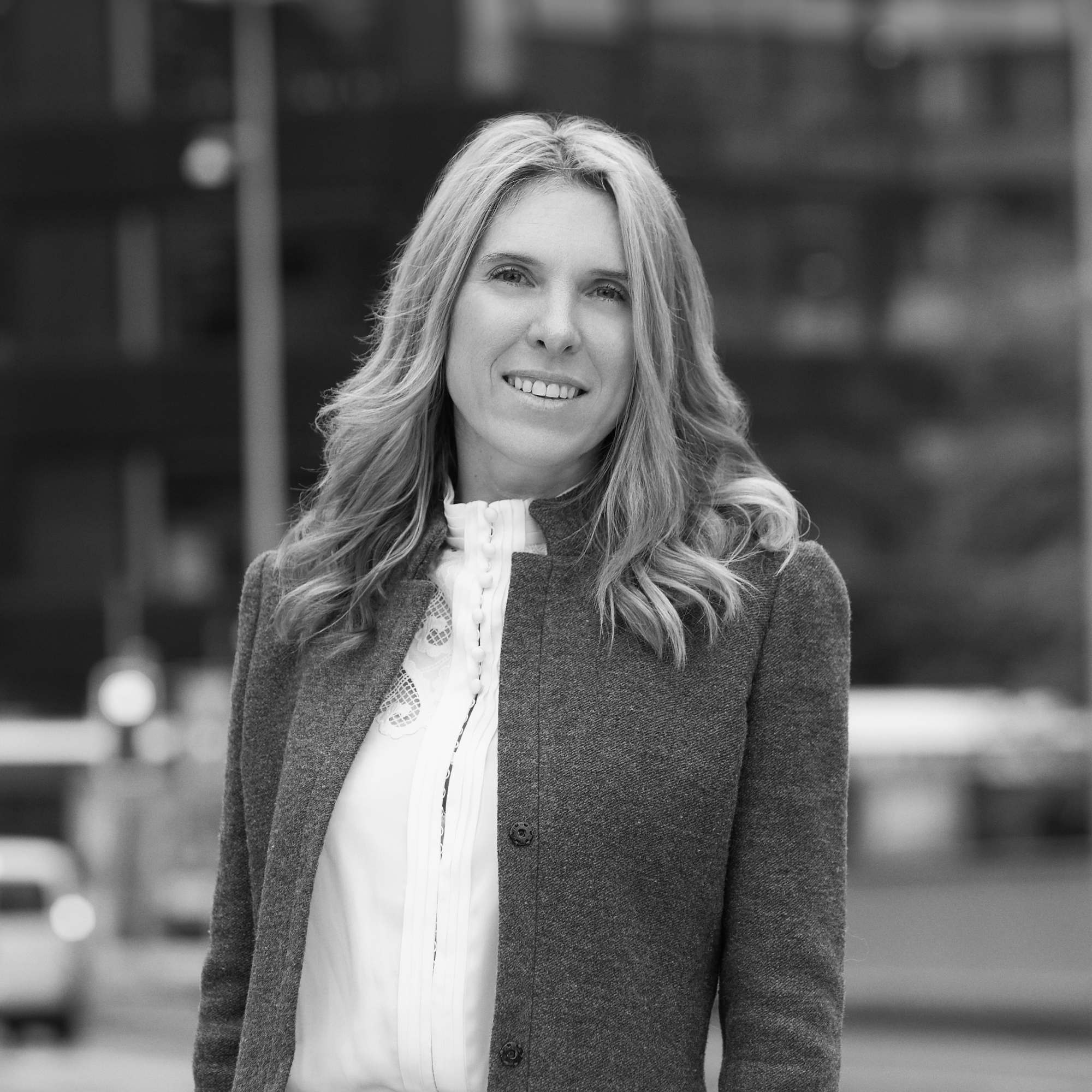 Isabel MestresChief Executive Officer, City Cancer Challenge (C/Can)
-
Andrew SollingerCEO & publisher of Foreign Policy
-
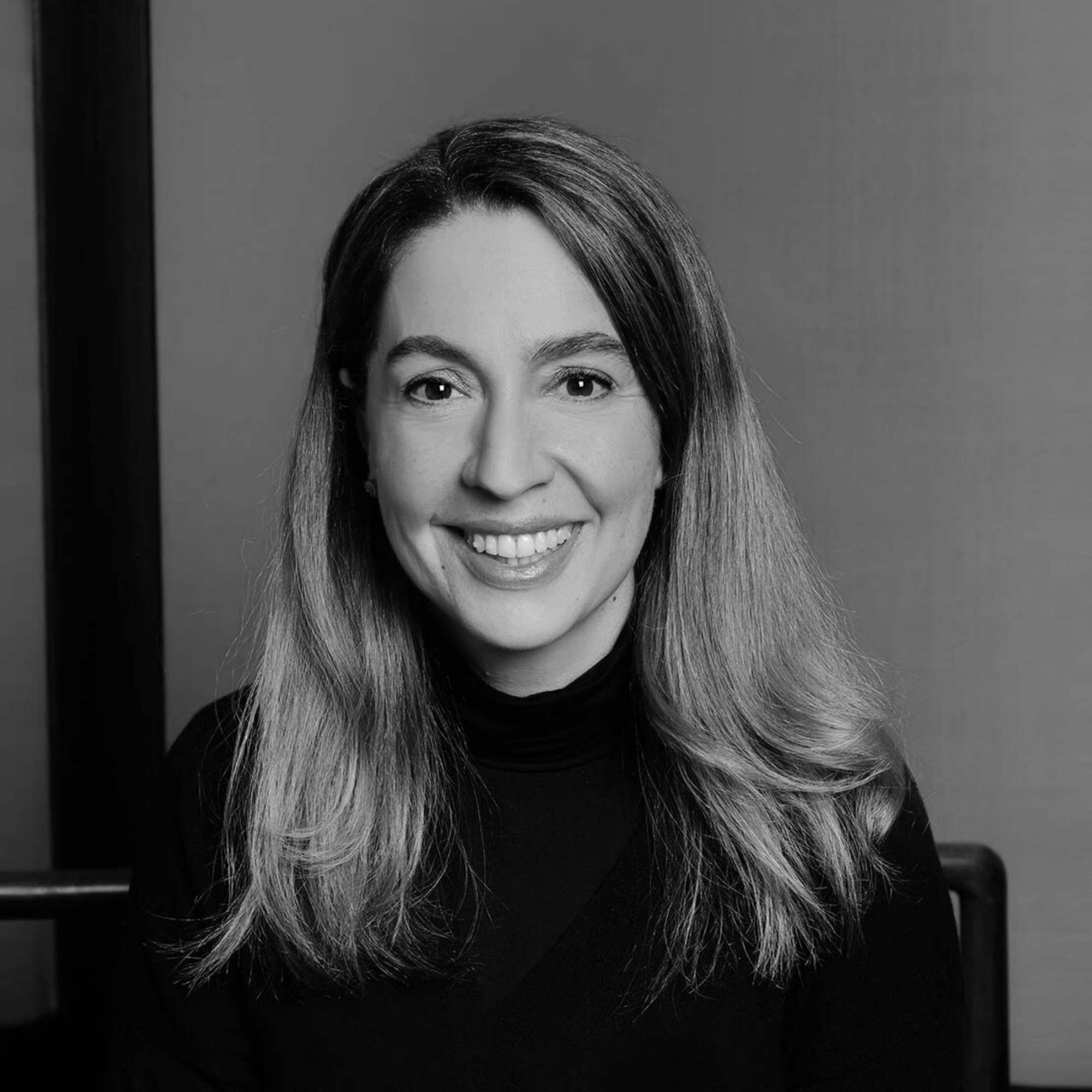 Dr. Lucy PérezMcKinsey Health Institute
-
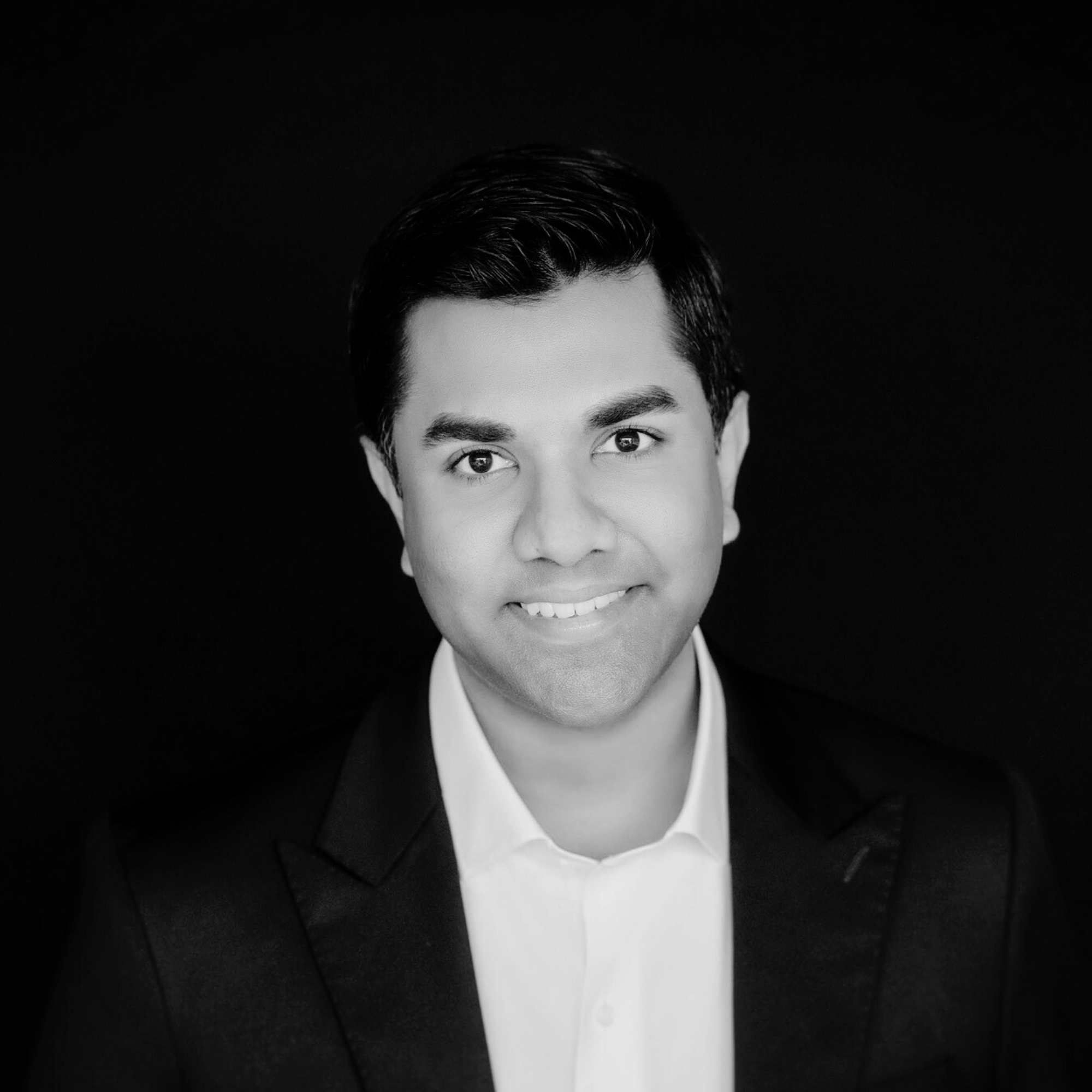 Ravi AgrawalEditor in Chief, Foreign Policy
-
RUPA DASHFounder & CEO World Woman Foundation
-
 Françoise CardosoCSR & Sustainability Executive Director, Executive Committee member, L-Acoustics
 -
 DeLaurentisFrench artist, Composer, Music producer
-
Carolina Müller-MöhlInvestor, Philanthropist, Equality Advocate
-
 Elissa MioleneReporter, Devex ( Moderator)
 -
 Lucinda DannattCo-Founder, Street Child
 -
 Inderpreet SawhneyChief Legal & Compliance Officer, Infosys
 -
 Julia PalleVice President Sustainability, Formula E
 -
 Eke VermeerVice President Public Policy, Liberty Global
-
Whitney BairdPresident & CEO, United States Council for International Business ( Moderator)
-
 Dr. Ngozi Okonjo-IwealaDirector-General, WTO
This panel examines how private sector innovations are leading to more resilient food systems and explore trends, partnerships, and challenges. This discussion will highlight how women’s leadership and private-sector innovation can accelerate the transition to resilient and regenerative food systems—unlocking benefits for people, planet, and profit.
-
Whitney BairdPresident & CEO, United States Council for International Business
-
 Mesiya MwangokaDirector for Africa, Public Policy Regulatory Affairs,
 -
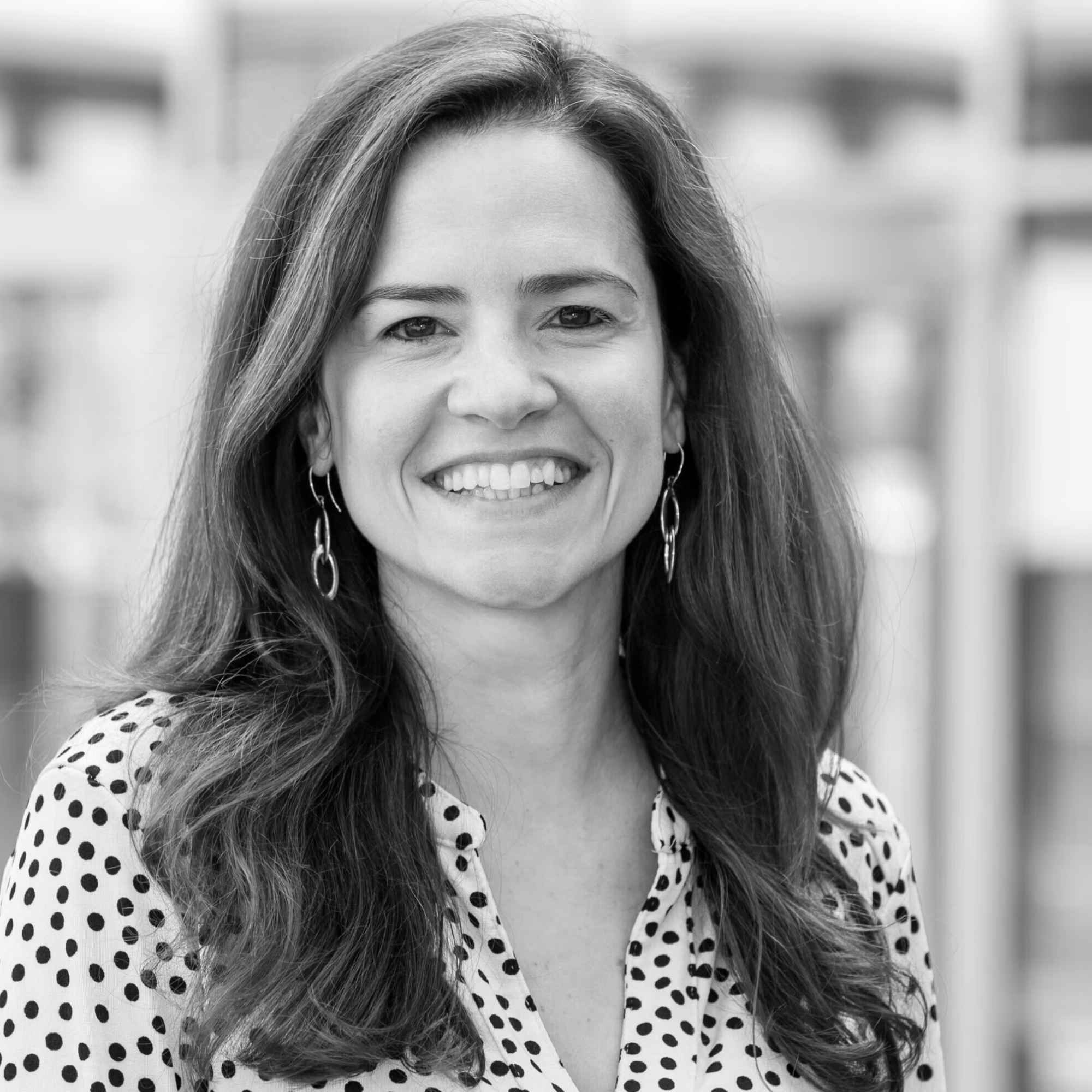 Natasha SantosHead of Sustainability & Strategic Engagement, Vice President, Bayer
This session explores how organizations can thrive amid global instability by integrating sustainability and AI transformation—especially next-generation agentic AI As the world faces polycrisis, the focus shifts from boardroom awareness to operational execution: how can businesses move from fragmented ESG efforts to holistic, resilient, and competitive transformation
-
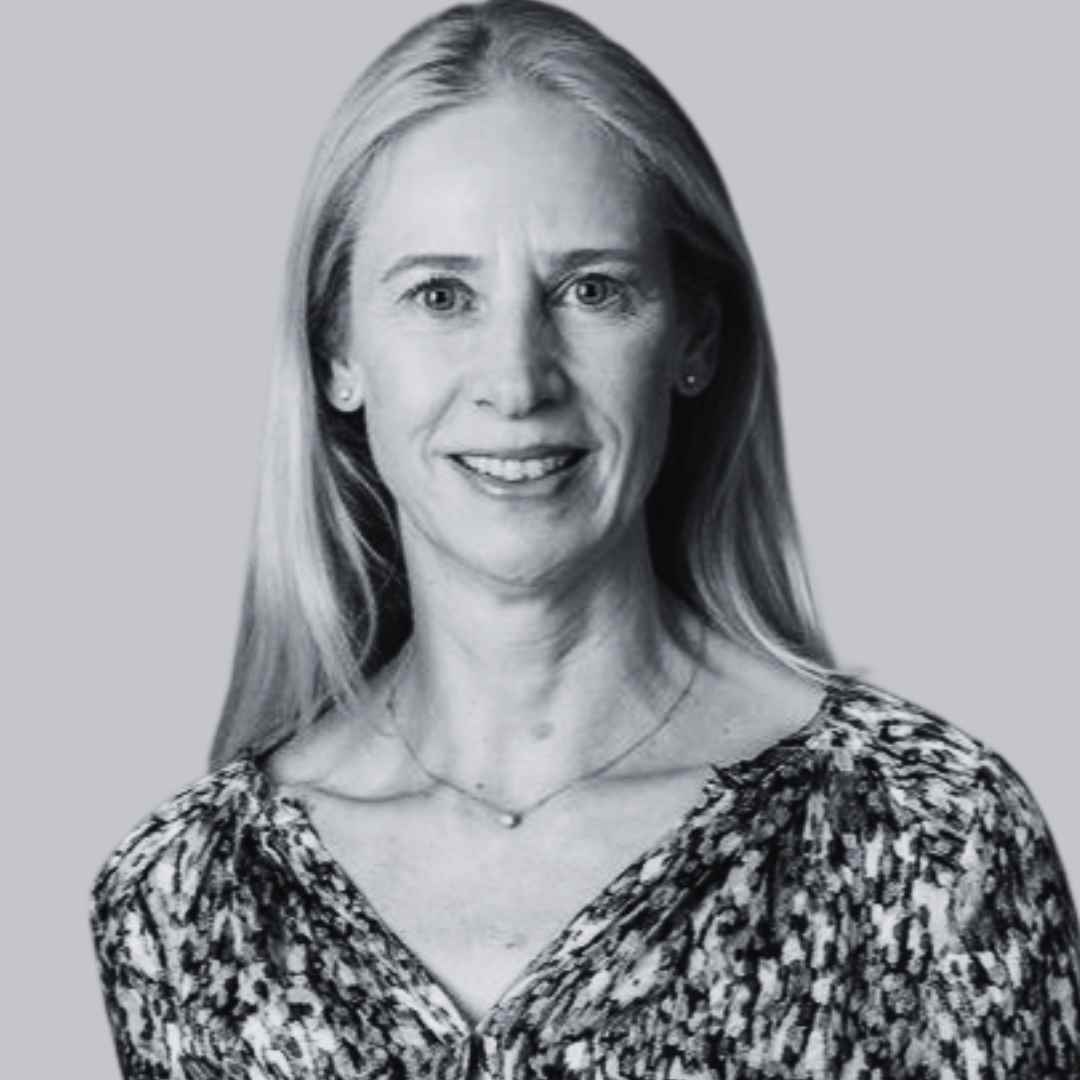 Beate RosenthalPartner, Roland Berger
 -
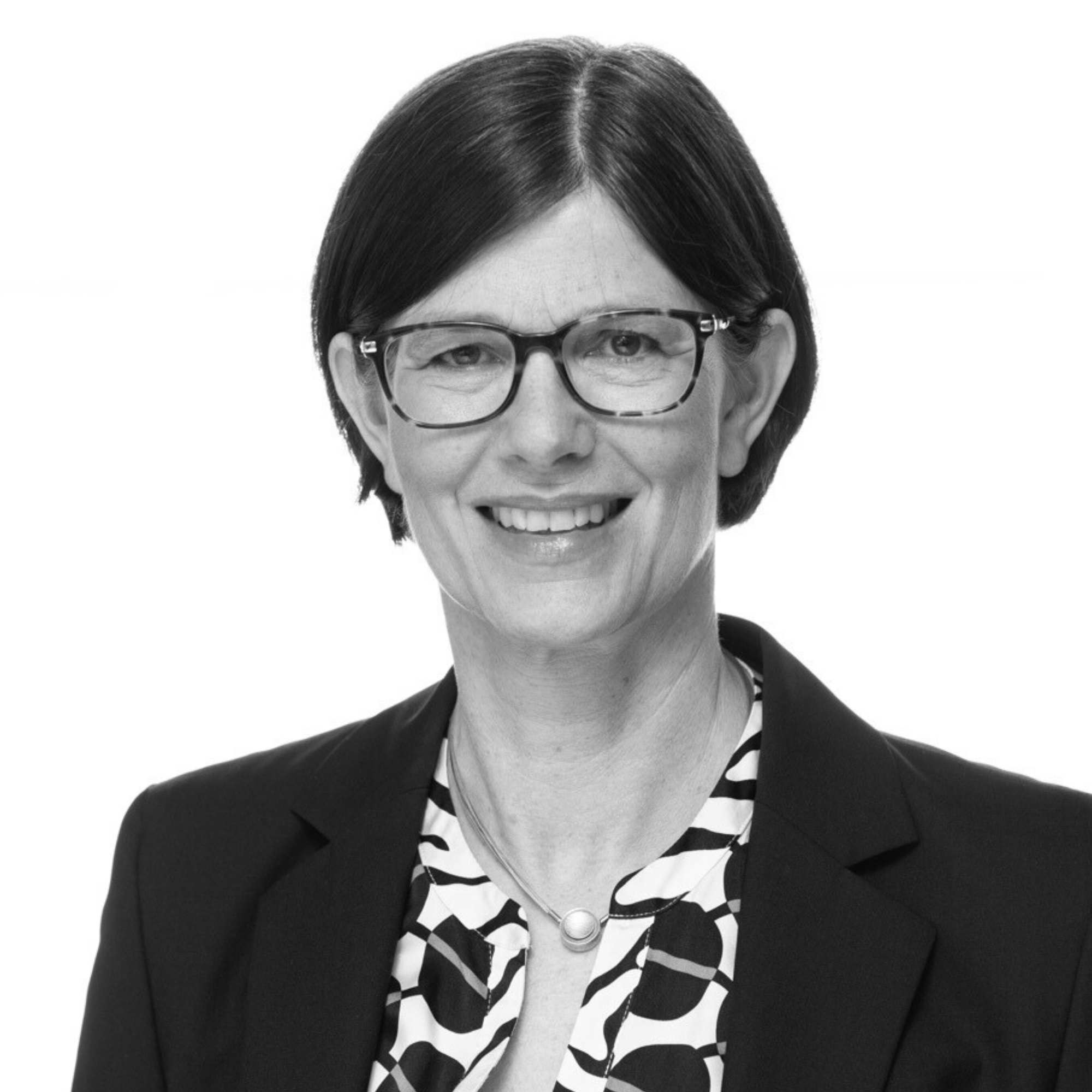 Catrin HinkelMicrosoft, CEO Switzerland
 -
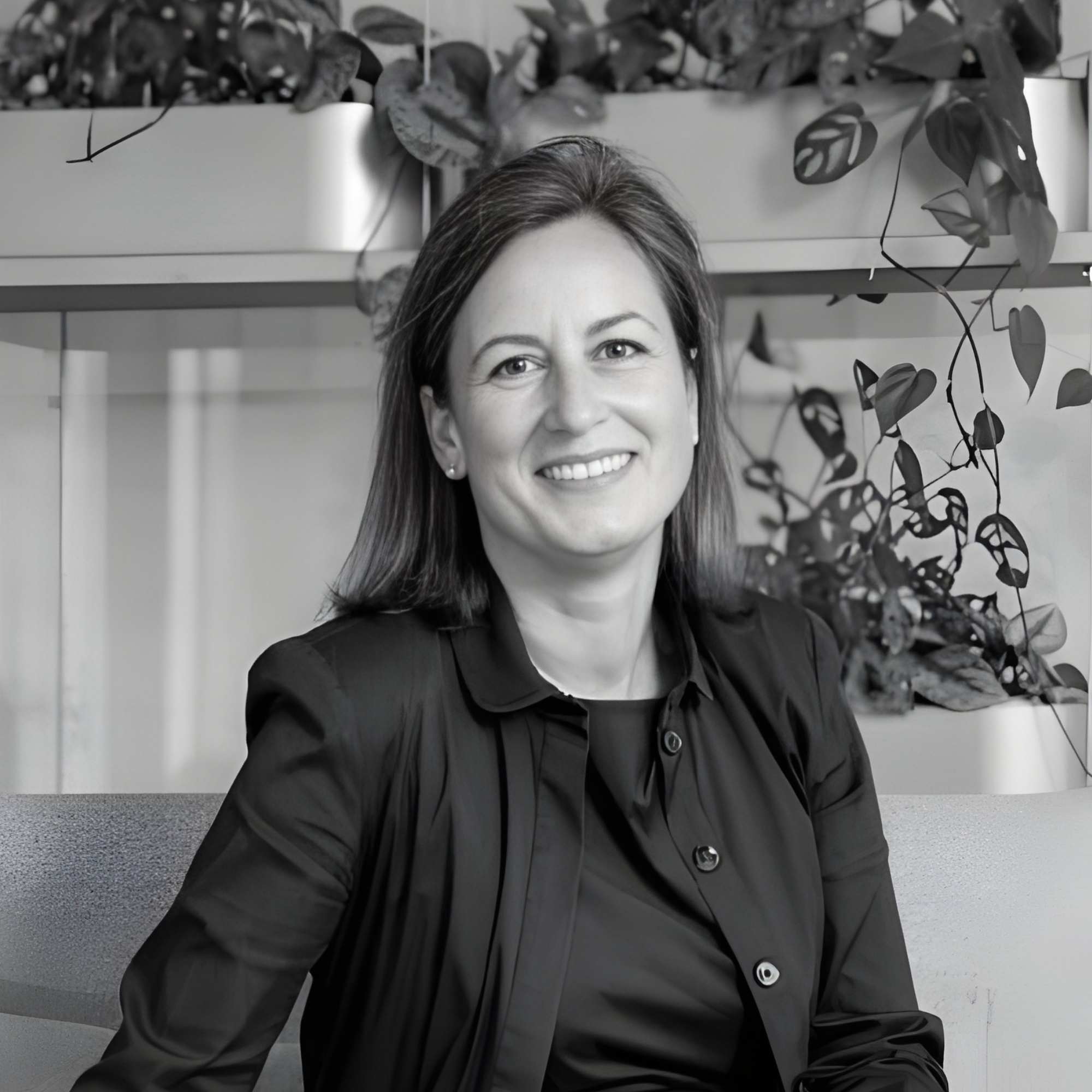 Antonia WannerCSO, Nestle
 -
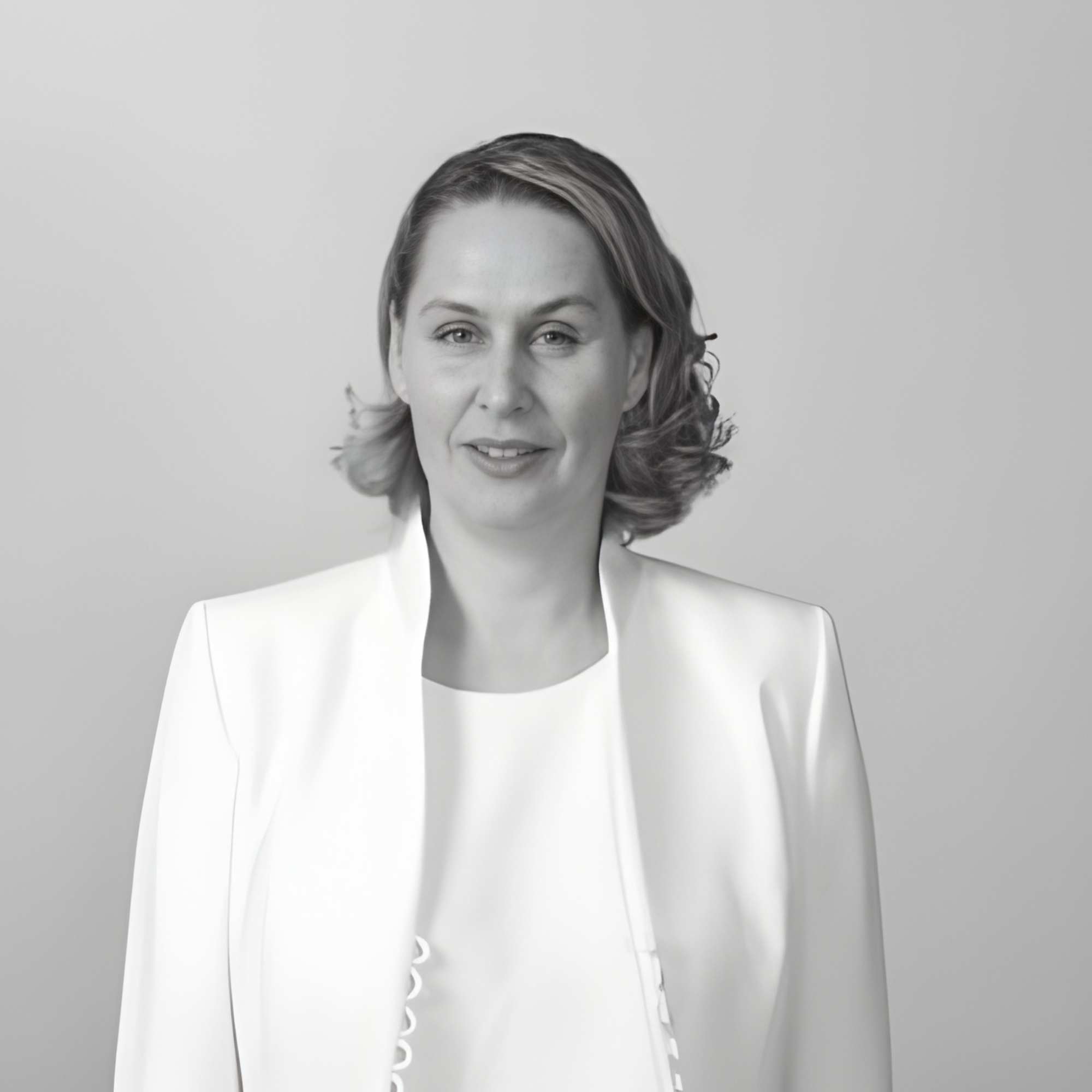 Anke HampelABB, Group Head Sustainability
This session will explore how Industrial AI is reshaping the future of manufacturing and industry — not just as a next generation of automation, but as a strategic lever that can revive growth, transform business models and redefine the workforce We will take the pulse of the current slowdown in industrial automation investment, examine where and how AI-infused industrial transformation is already taking hold, and chart a path forward for companies to emerge stronger over the next decade
-
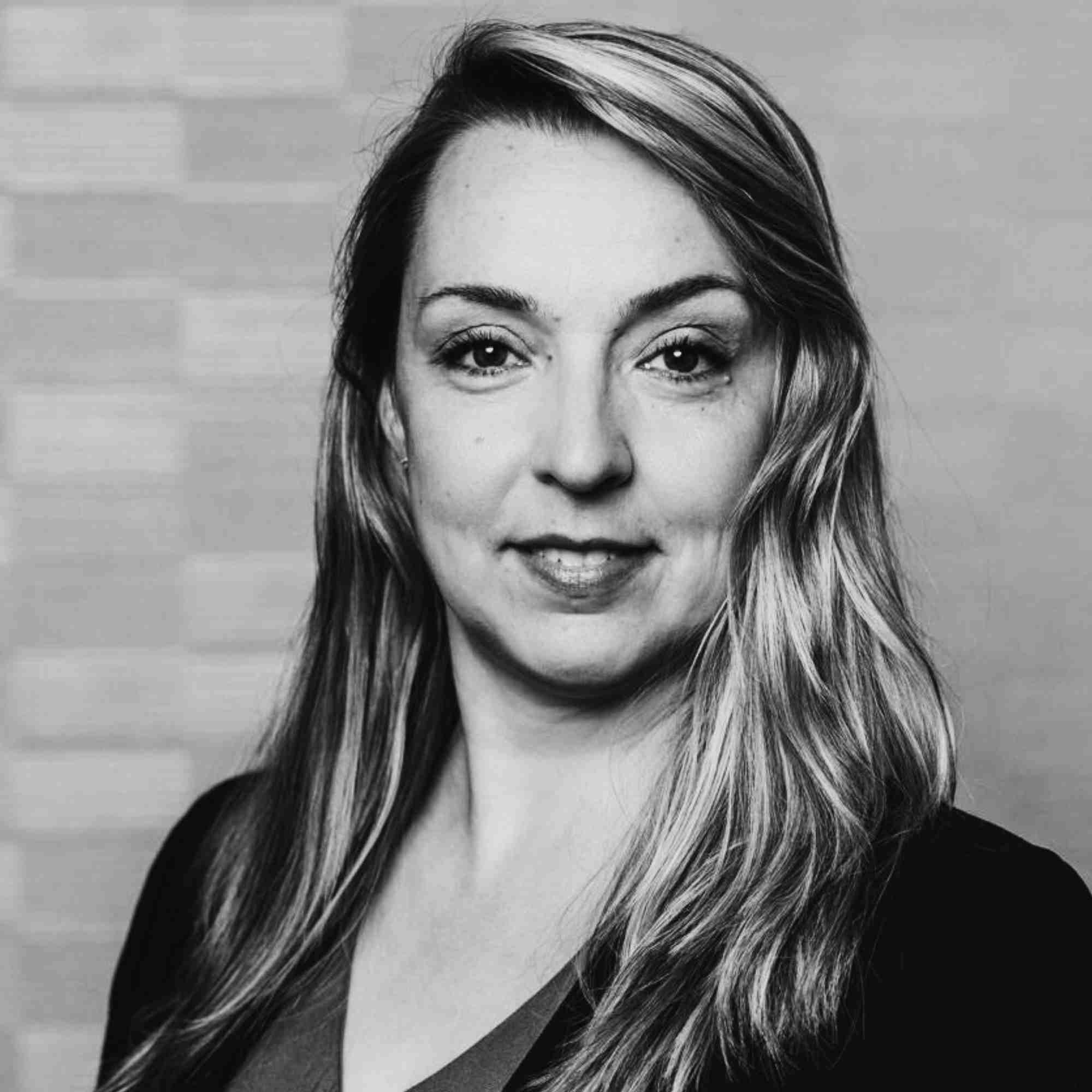 Anne ChevrierMarketing, Dassault Systèmes
 -
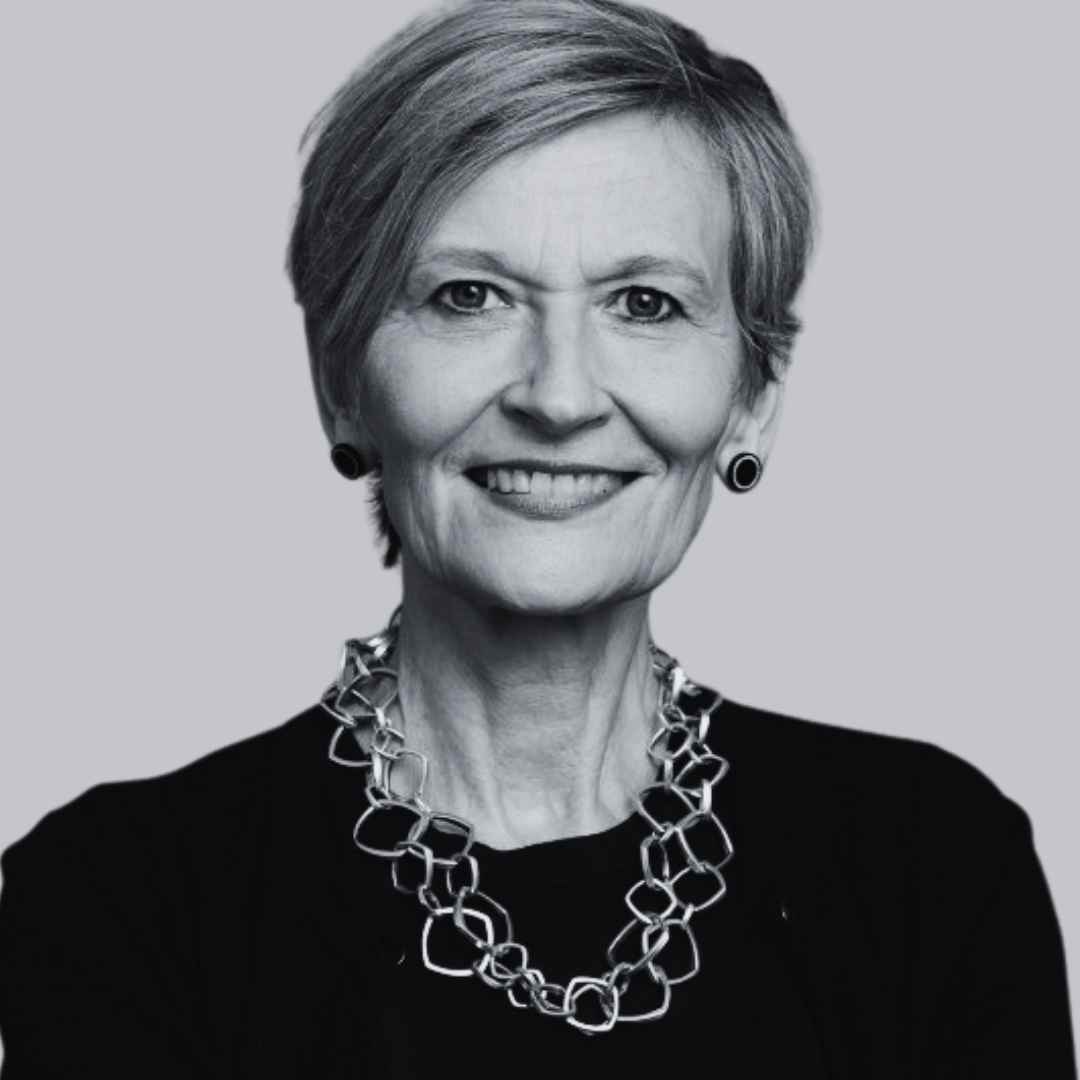 Edeltraud LeibrockGlobal MD, Roland Berger
 -
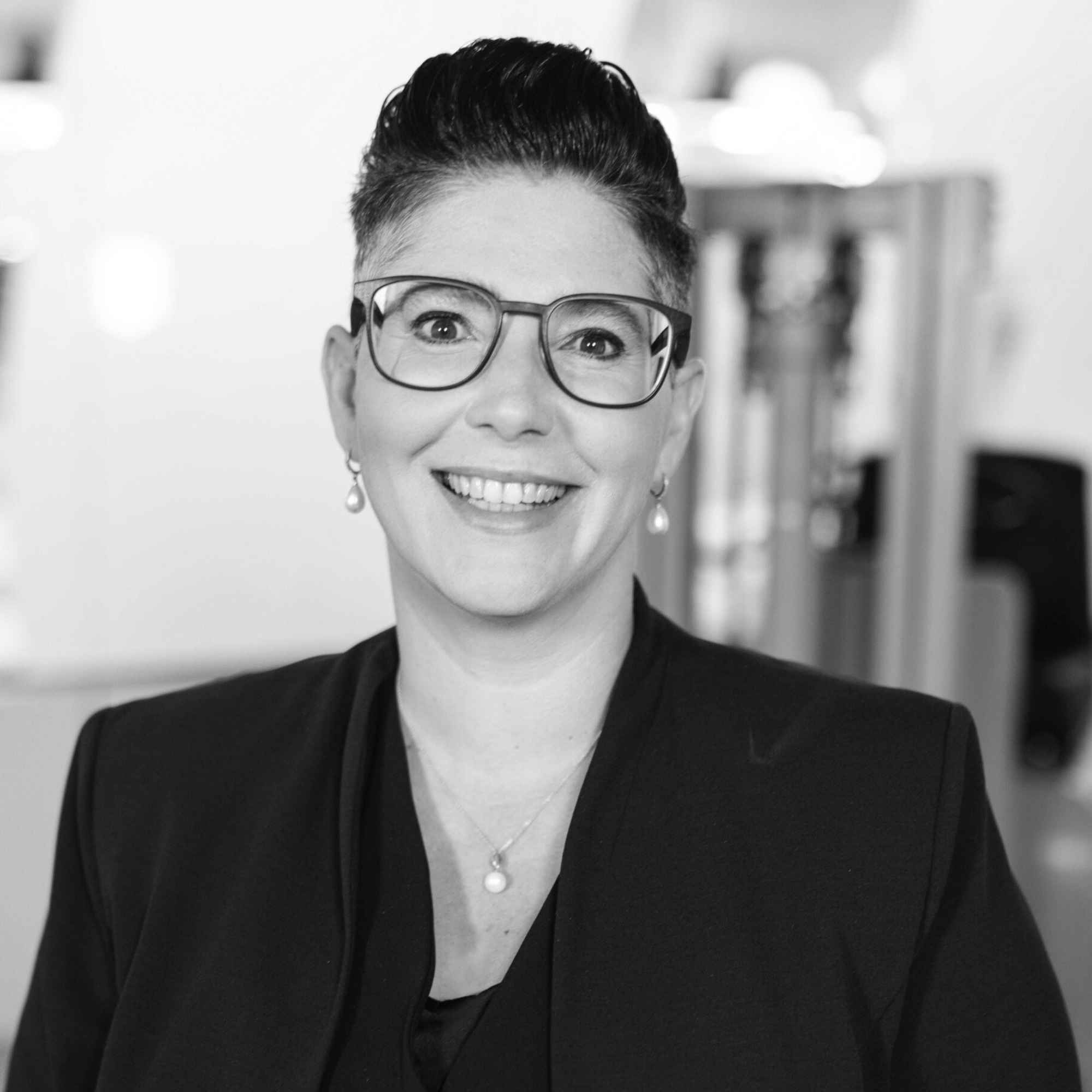 Nadine DespineuxBoard member, Jungheinrich
 -
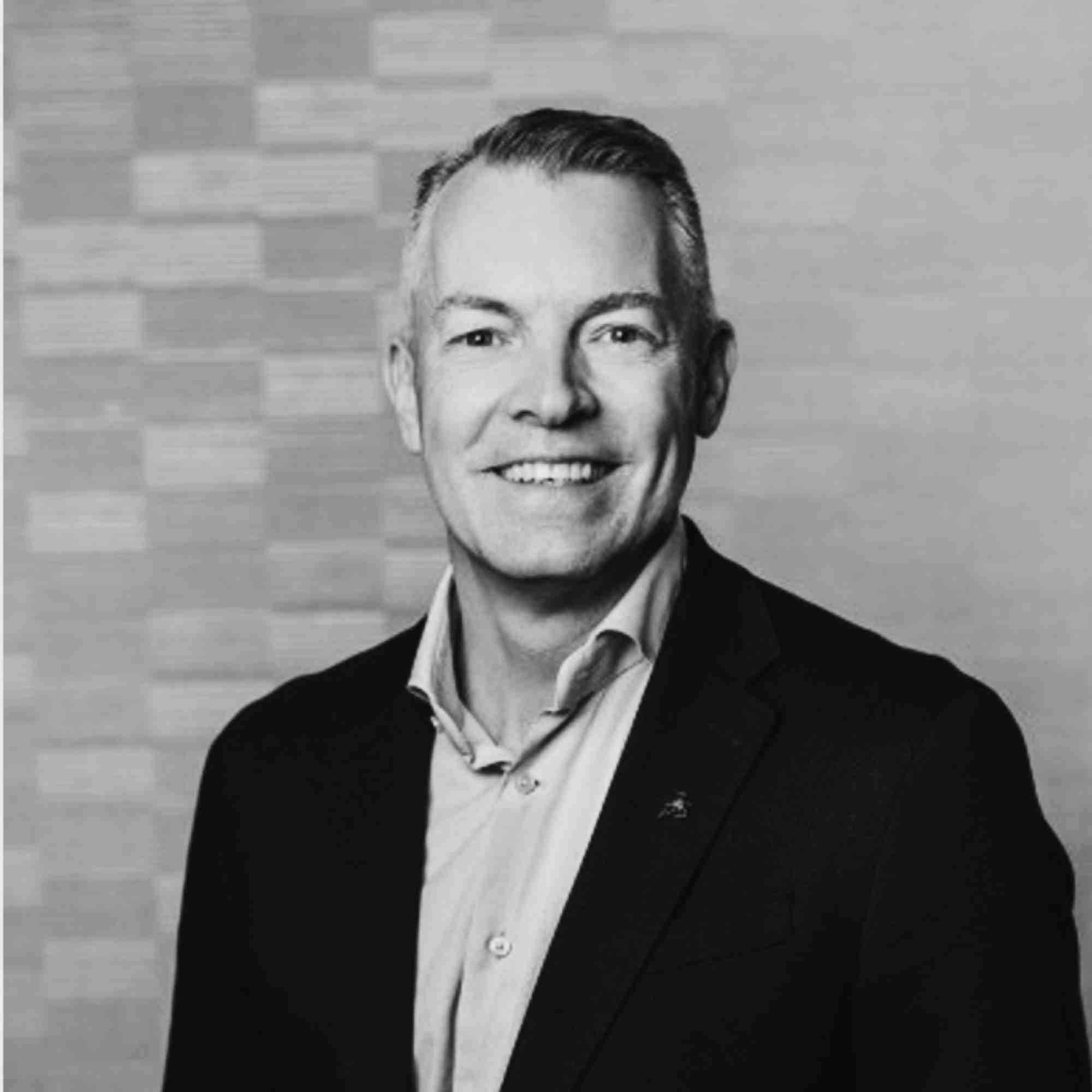 Christian HaltinerMD CH Dassault Systèmes
-
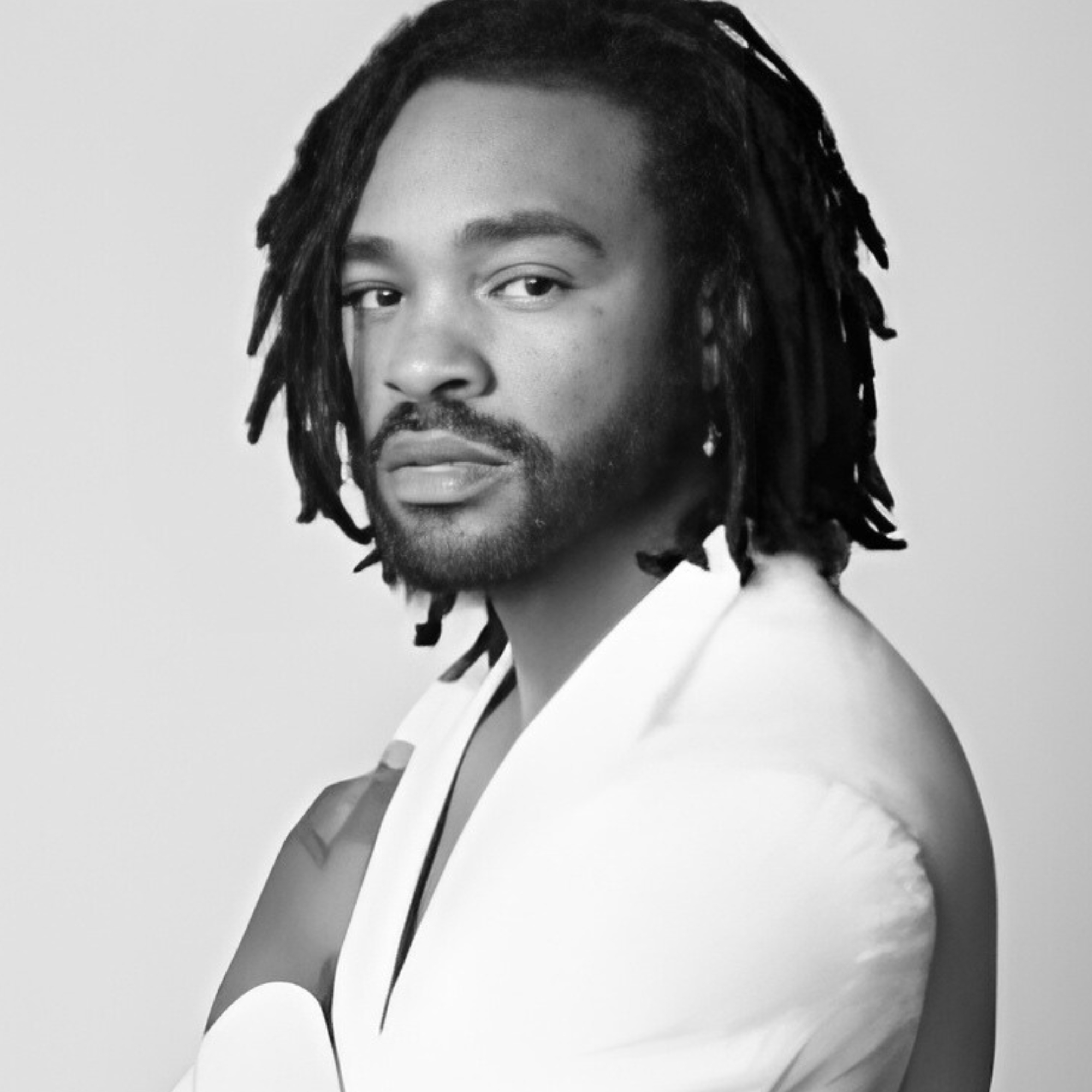 MAJEORGrammy-nominated Artist
-
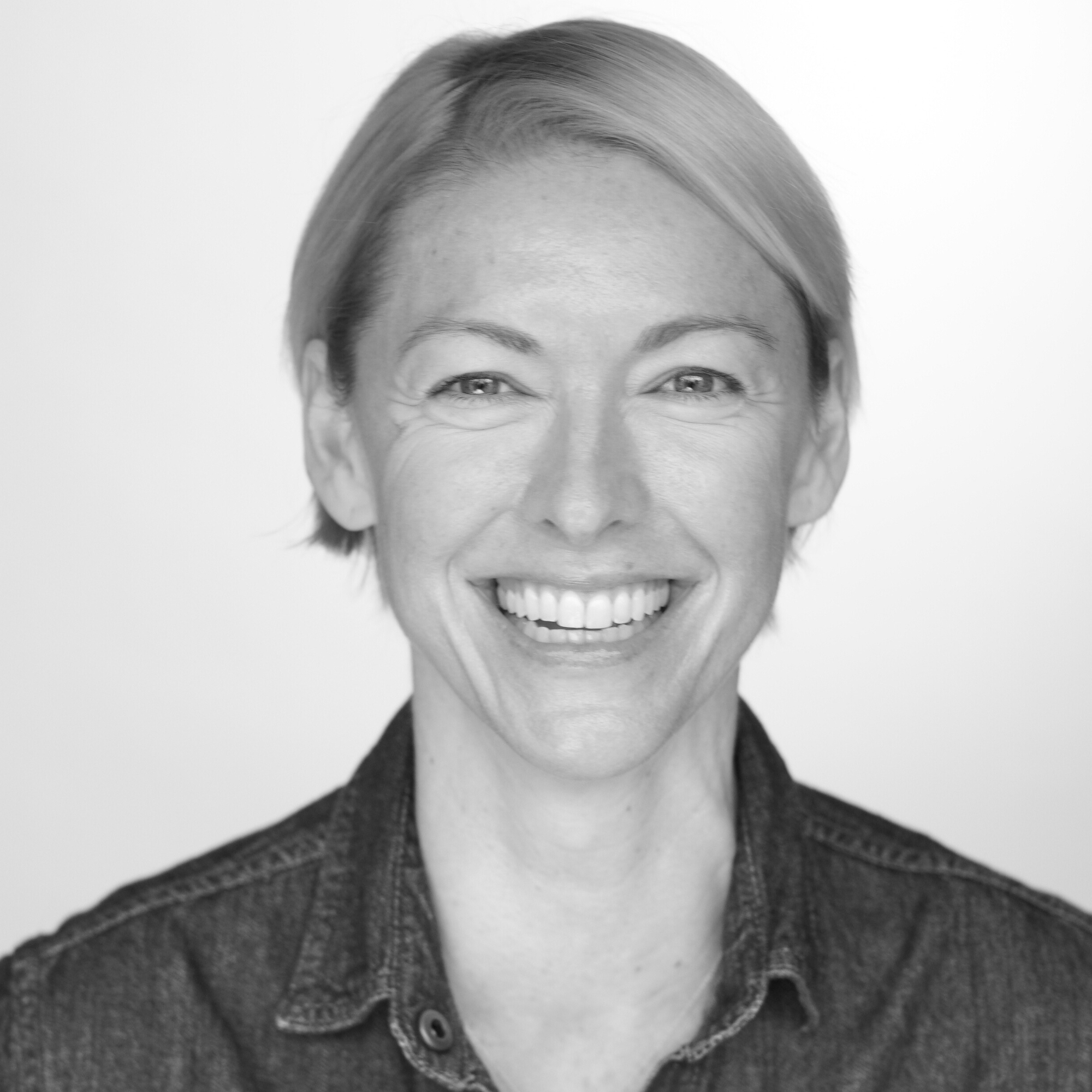 Amber MundingerDirector of Creative Engagement, Global, L-Acoustics
 -
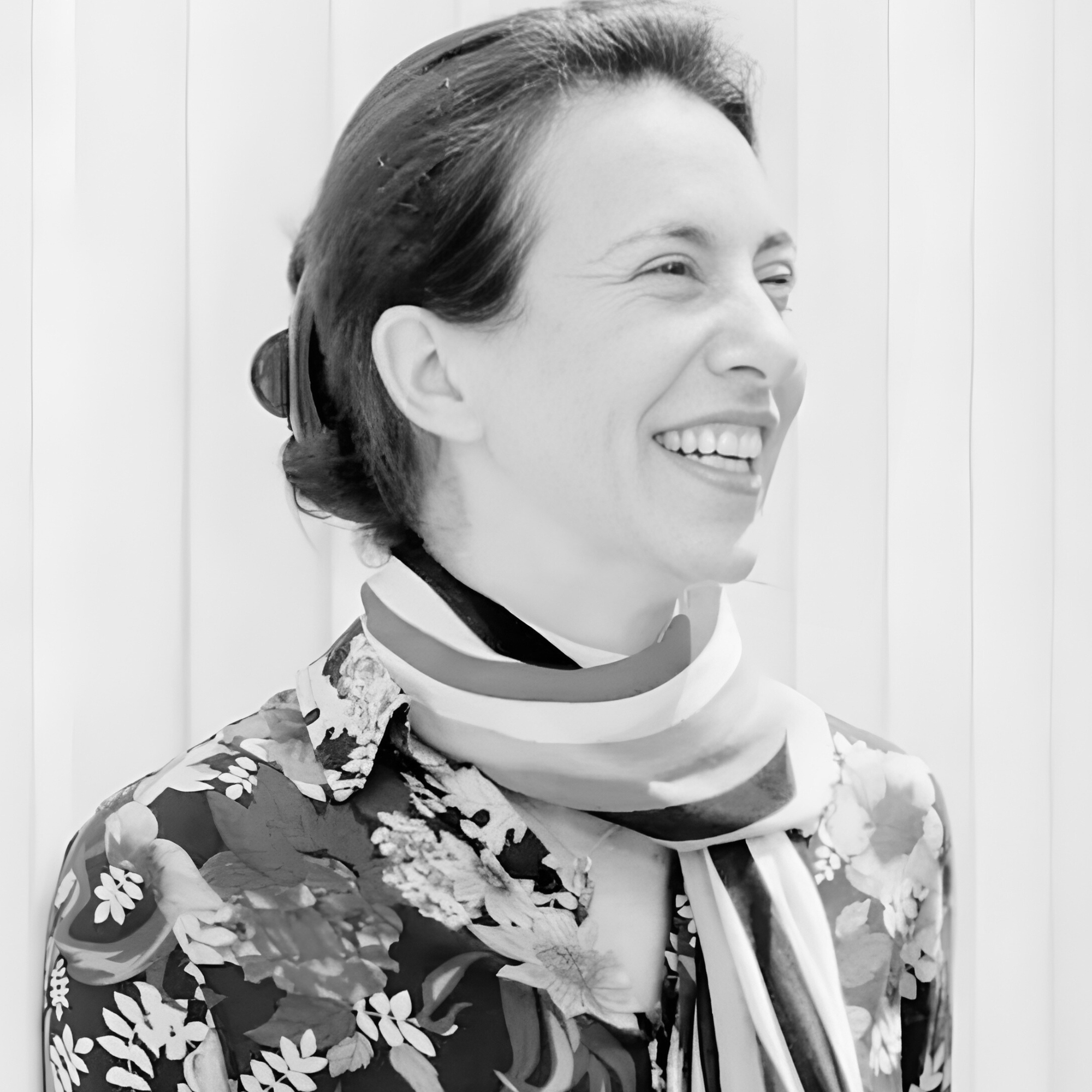 Cathy RuncimanCo-executive Director, EarthPercent
 -
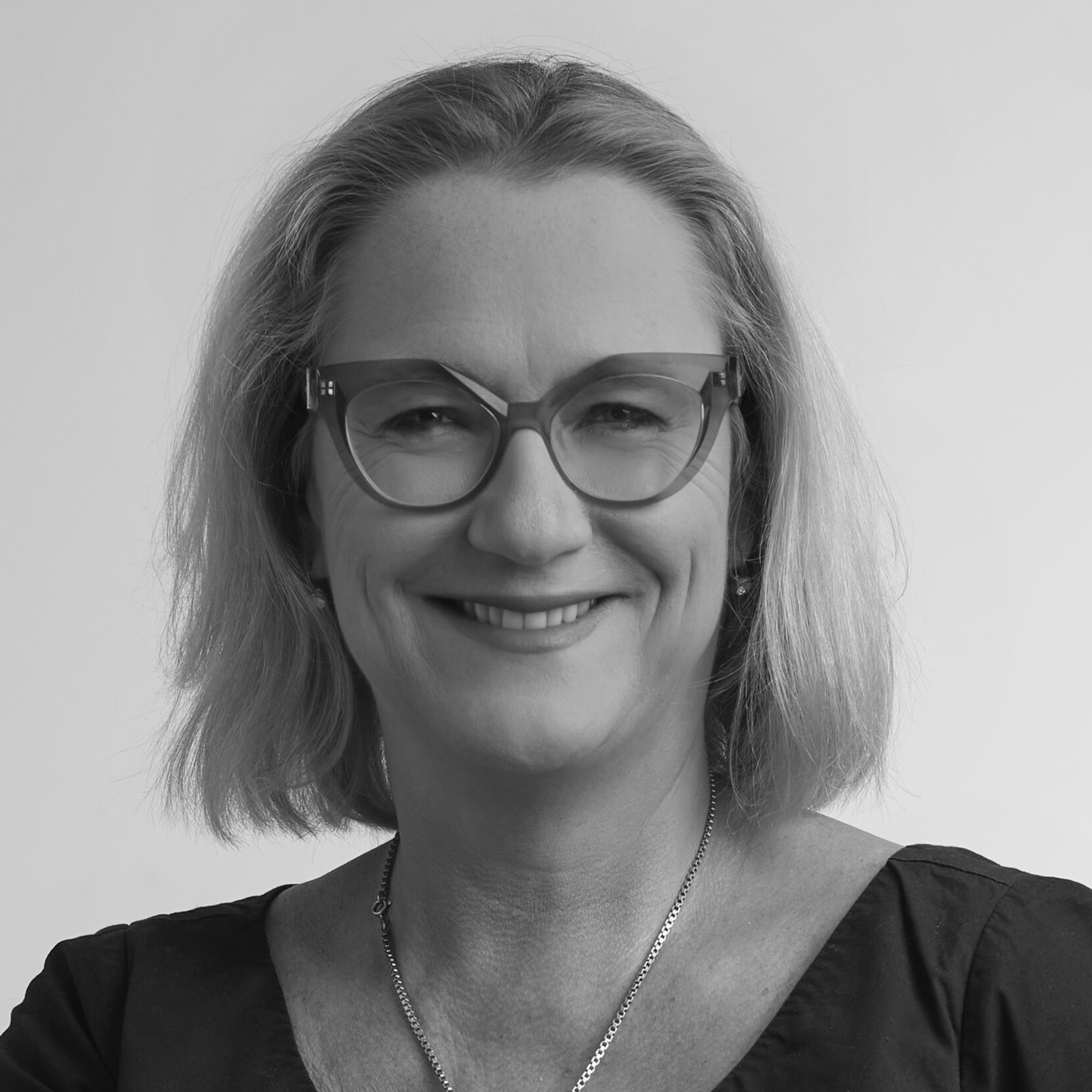 Katja IversenCEO, Museum for the United Nations
Despite decades of investment in women’s advancement, progress into senior leadership is stalling, with representation slipping back to levels last seen five years ago. A new IMD white paper in collaboration with LinkedIN highlights that while most employers believe they support women’s advancement, few achieve meaningful representation at the top. The challenge lies not in ambition or capability, but in leadership, advancement, and succession systems that fail to consistently recognize, reward, and sustain women’s leadership over time.
-
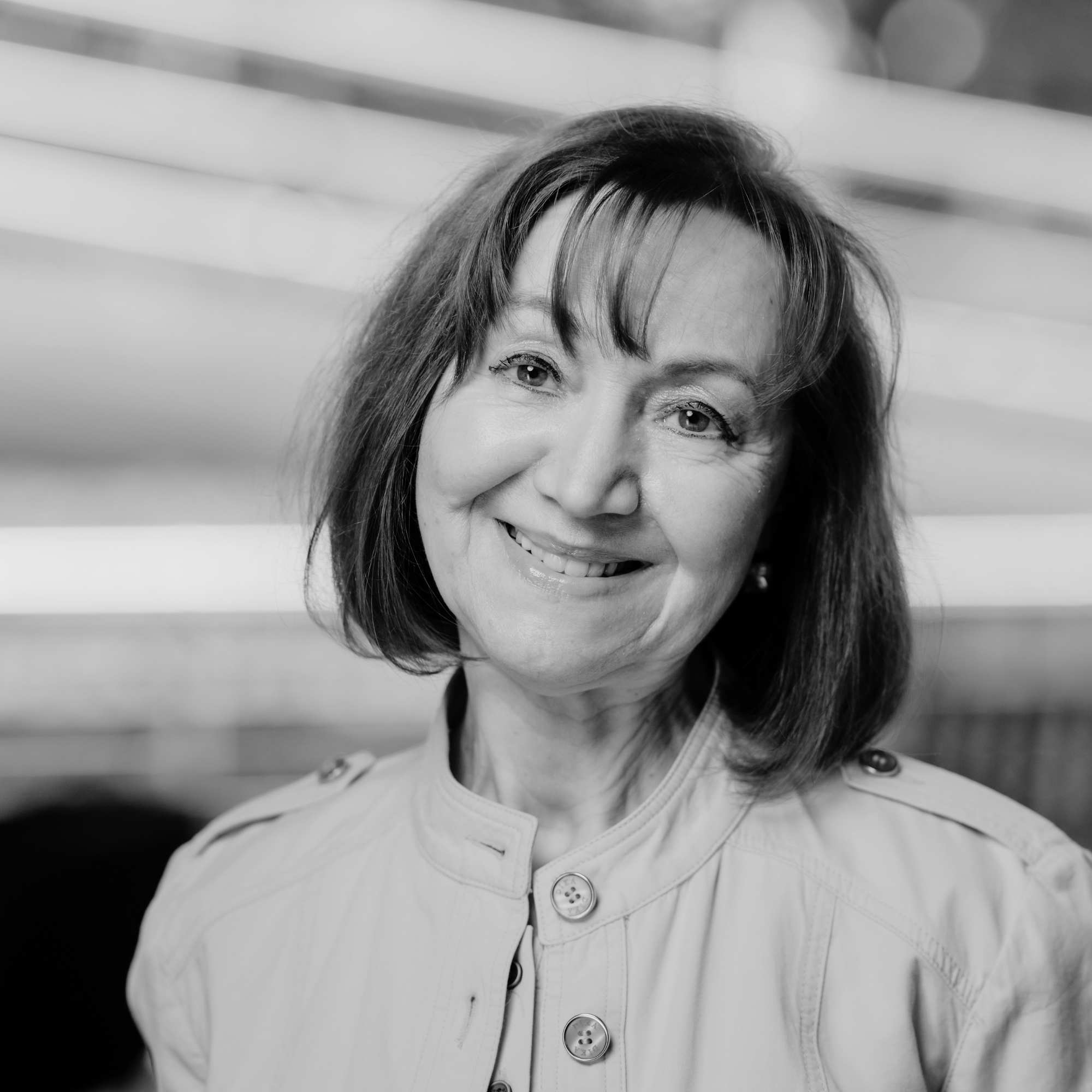 Ginka ToegelProfessor of Leadership, IMD
 -
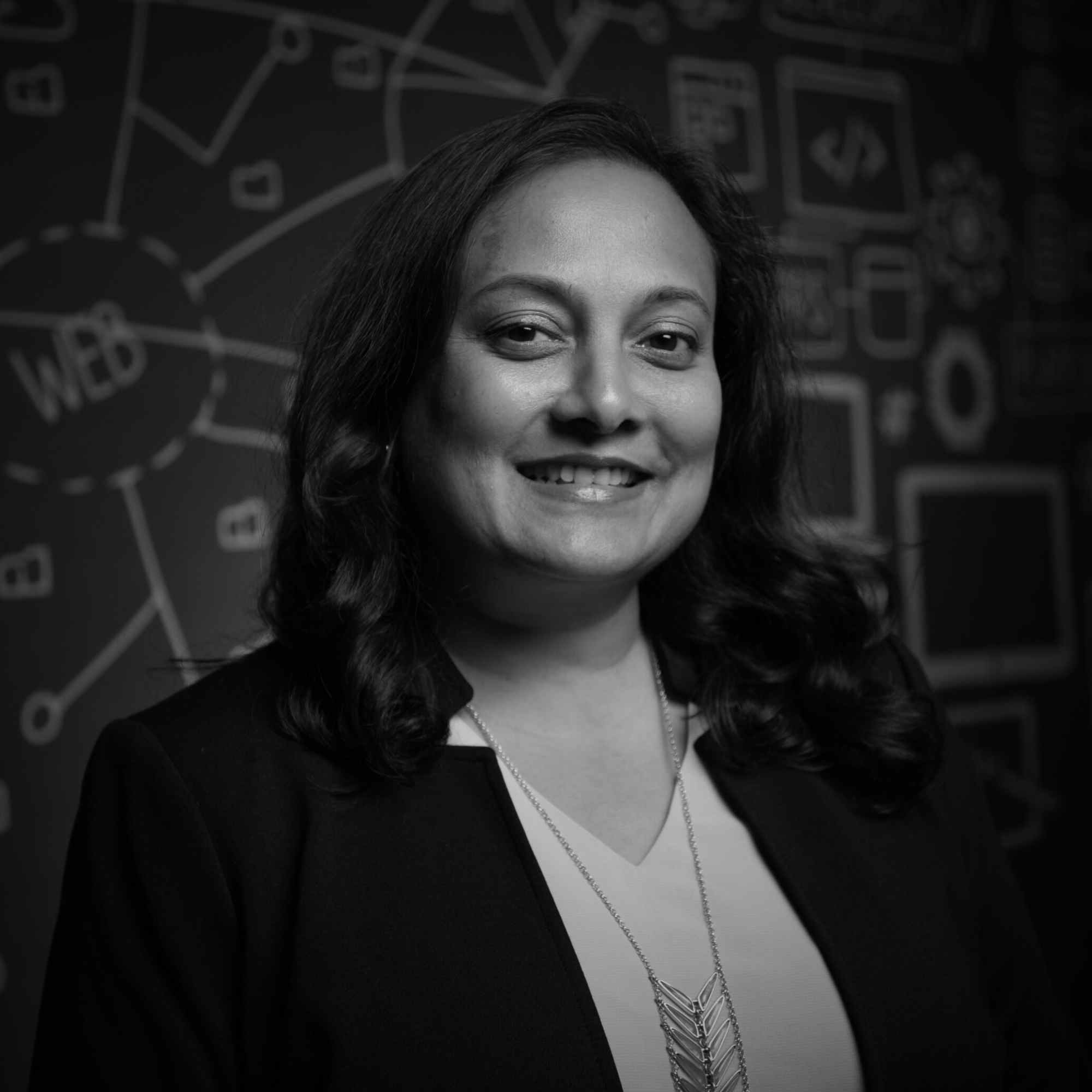 Neeti Mehta ShuklaCo-foACo-founder and Chief Impact Officer, Automation Anywhereunder and Chief Social Impact Officer, Automation Anywhere
 -
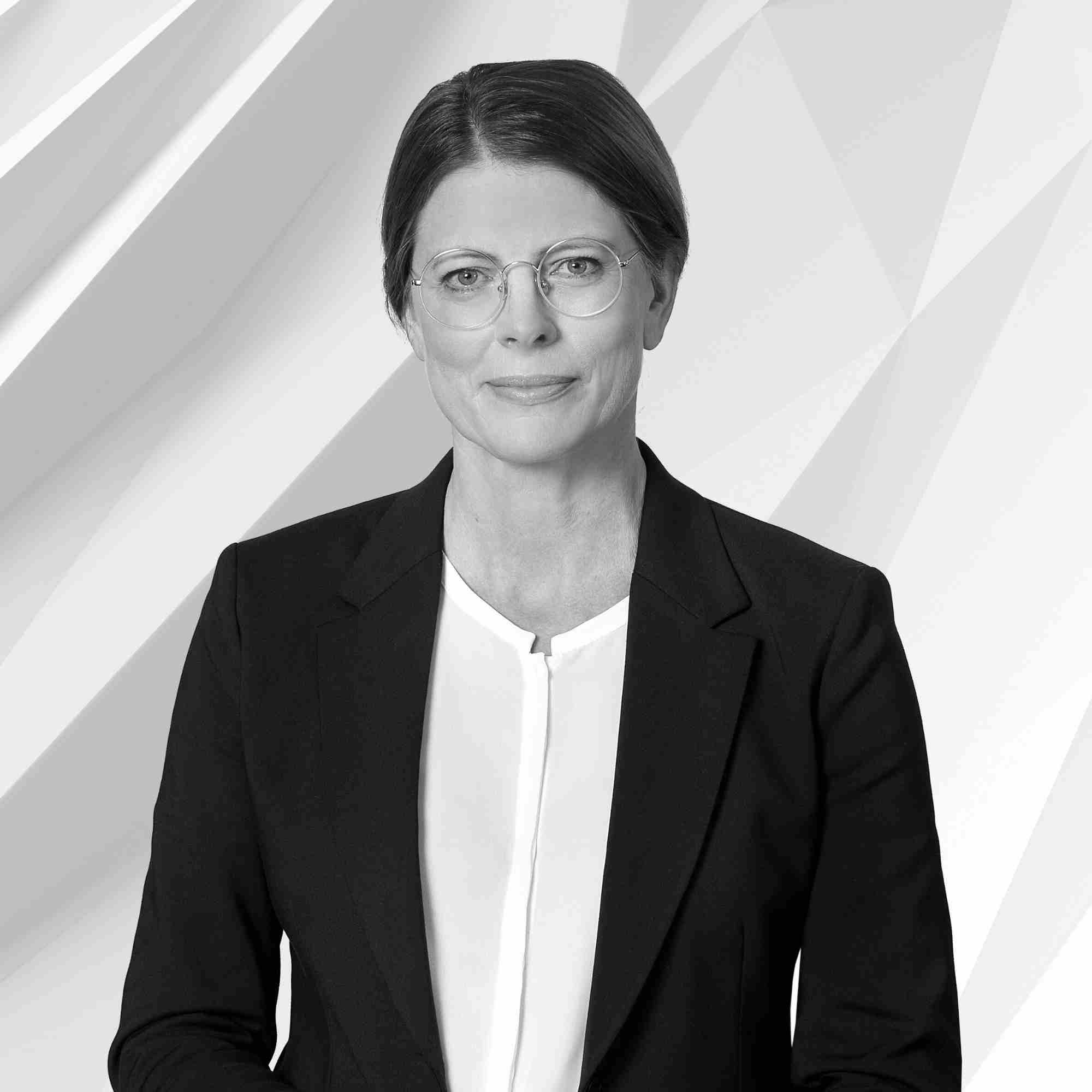 Carolina GranatChief Human Resources Officer, Member of the Group Executive Committee of ABB
 -
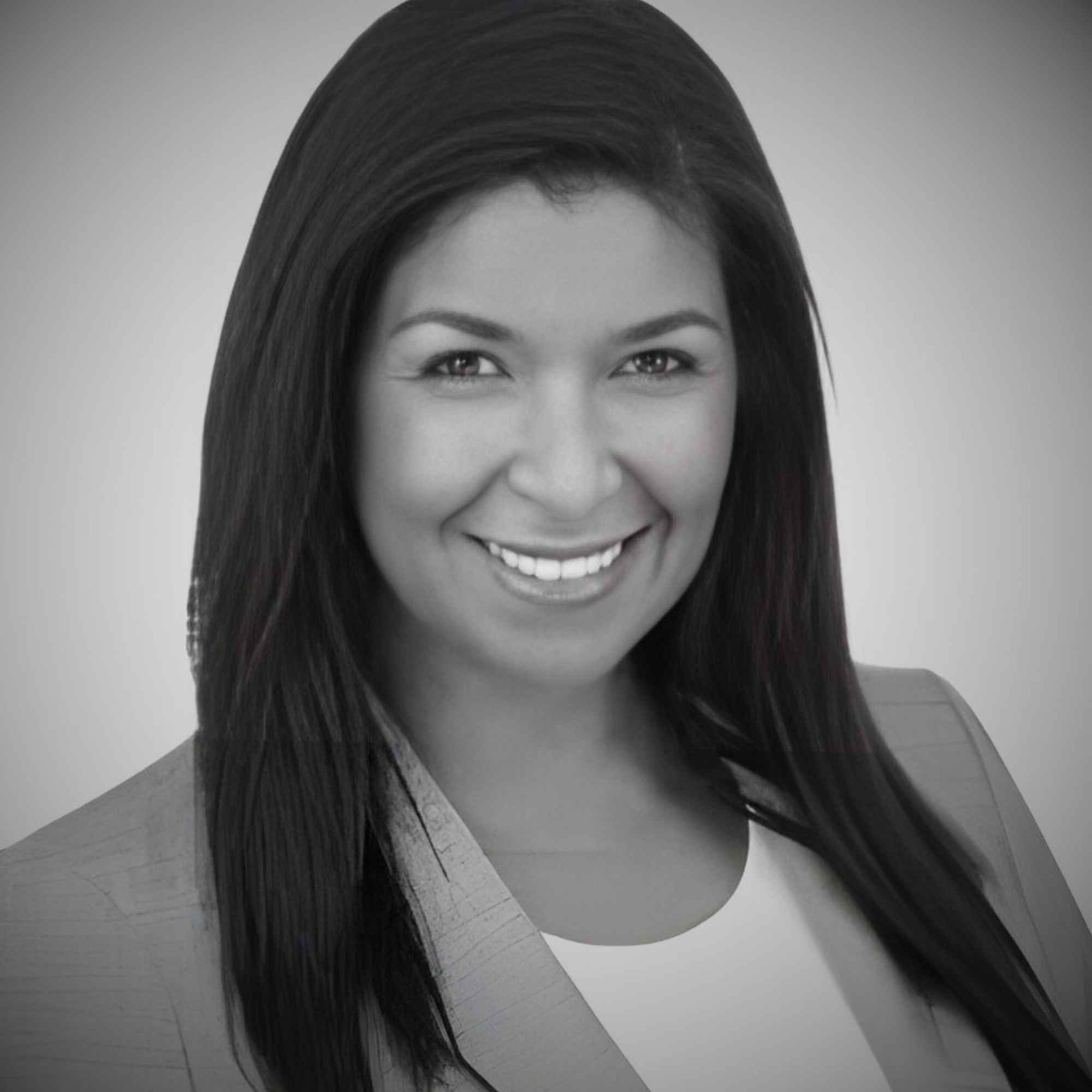 Karin KimbroughChief Economist, LinkedIn
-
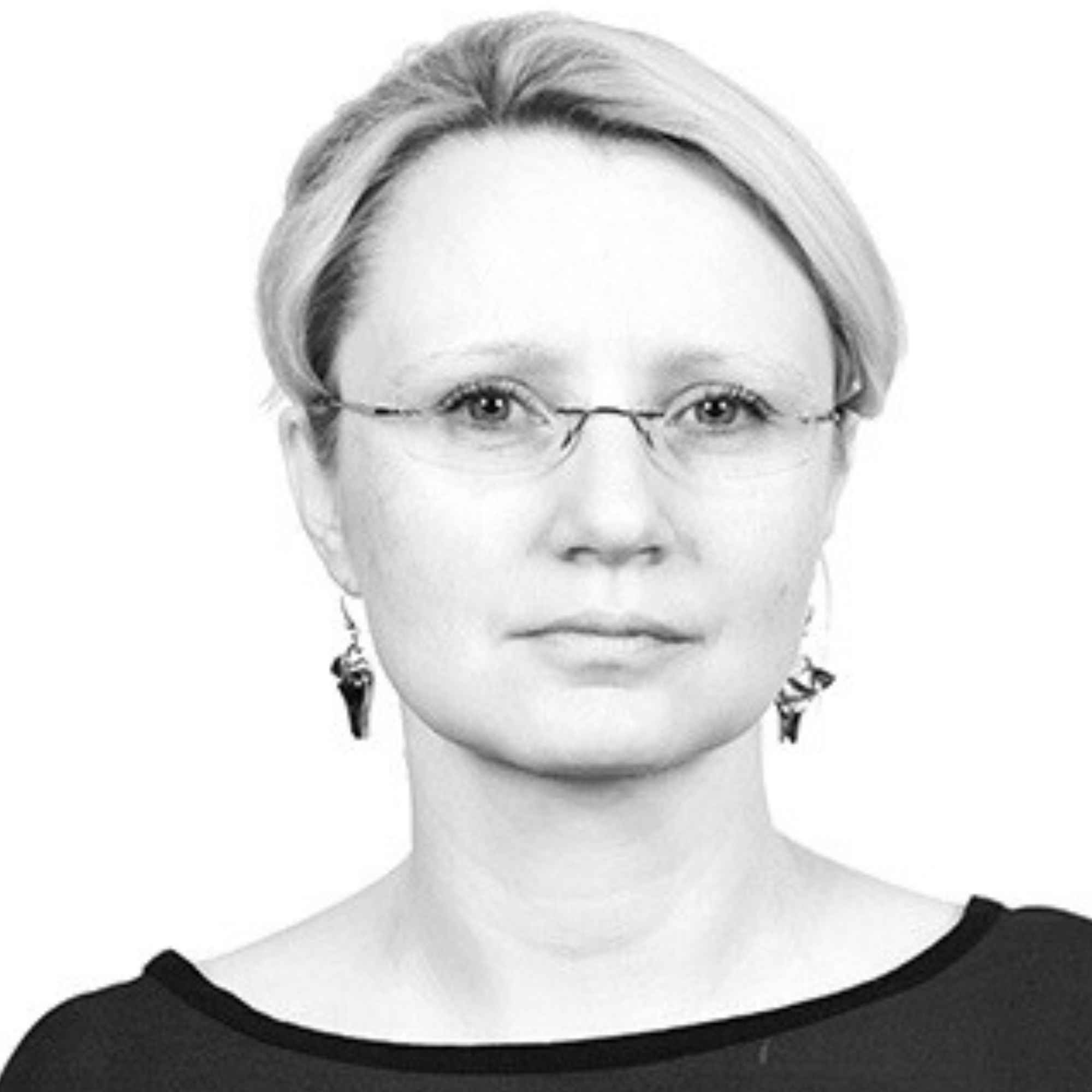 Magdalena M. BaranExecutive Editor Liberte! Magazine (Moderator)
 -
Carolina Müller-MöhlInvestor, Philanthropist, Equality Advocate
-
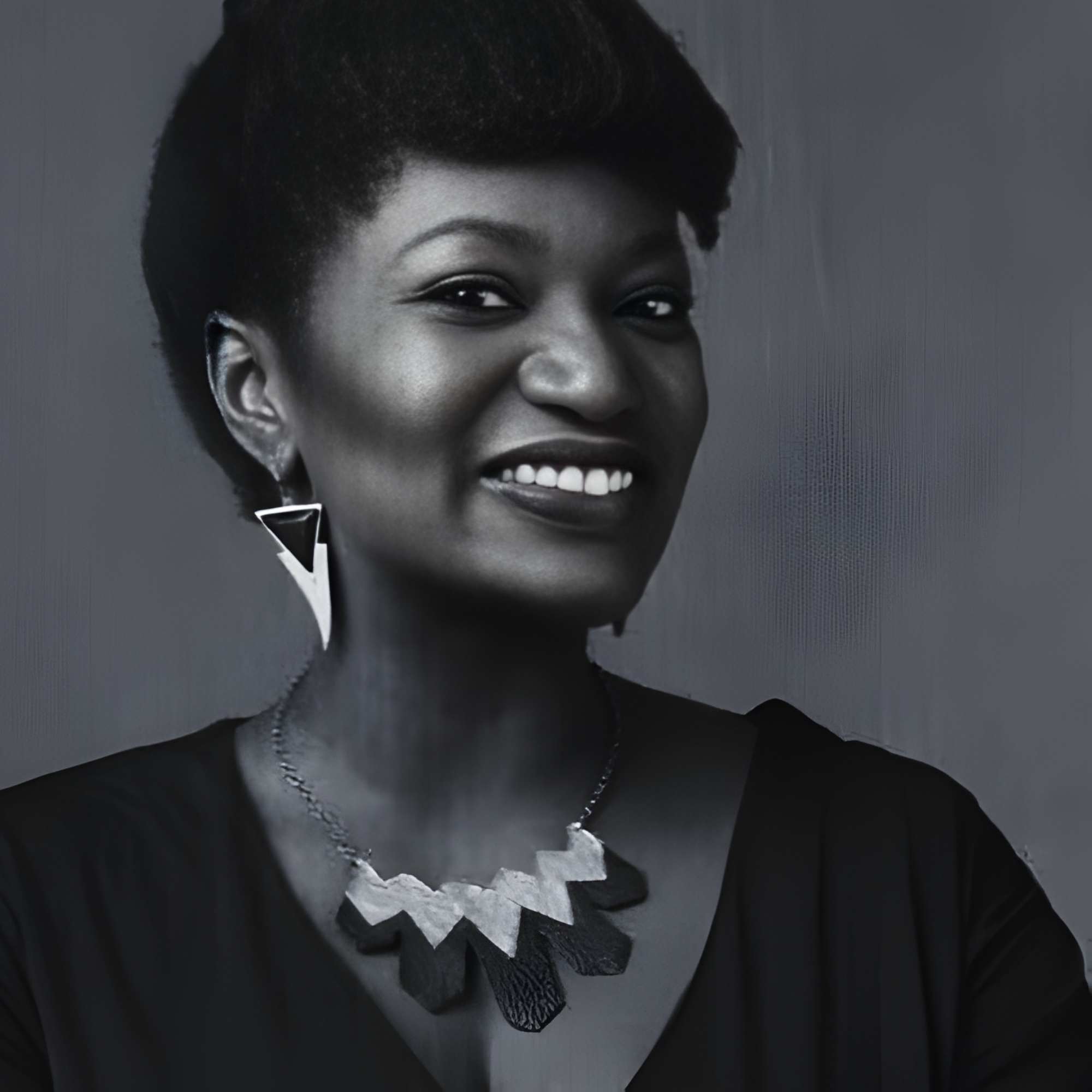 Fatoumata BâFounder and Executive Chair, Janngo Capital
 -
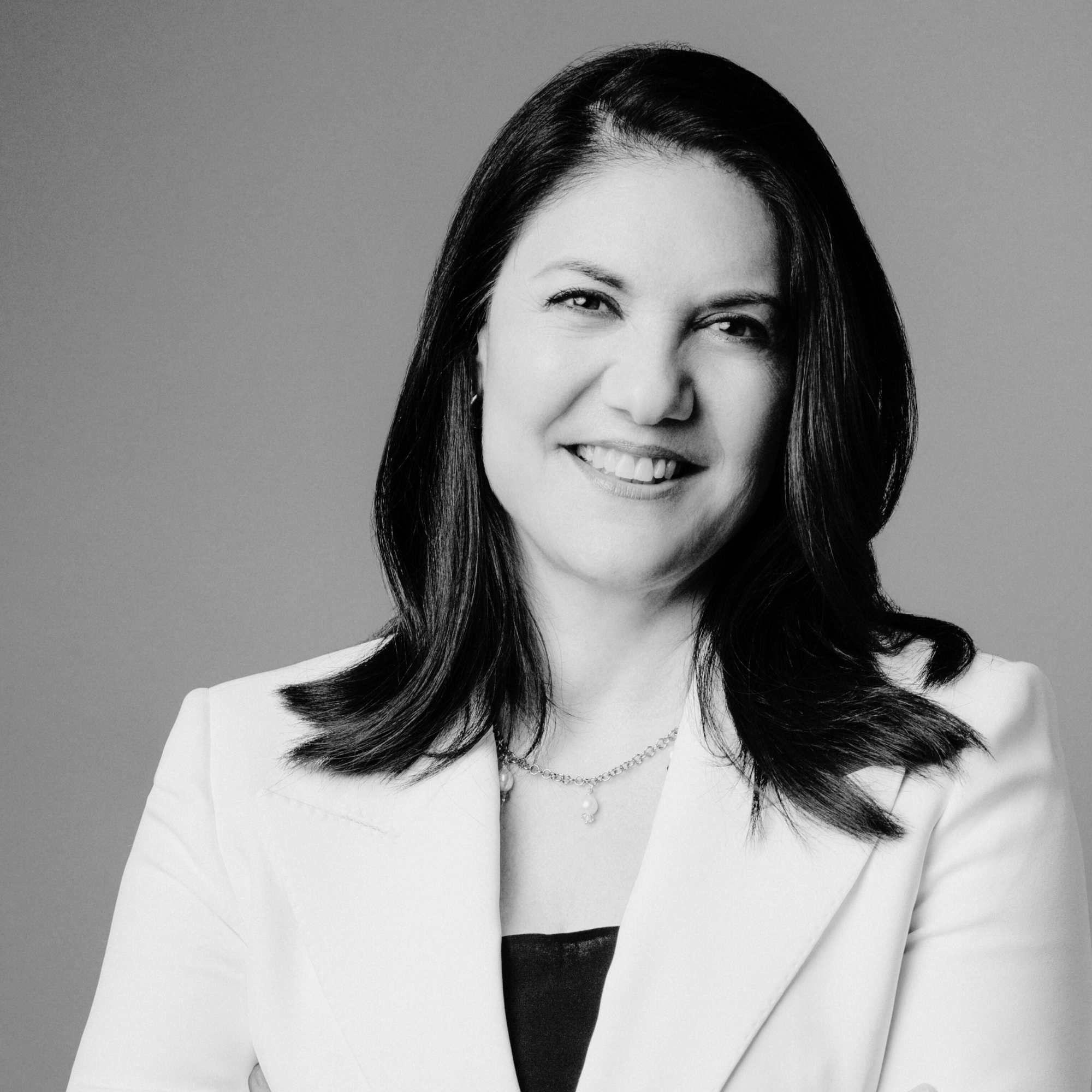 Mary Ellen IskenderianPresident and CEO, Women’s World Banking
 -
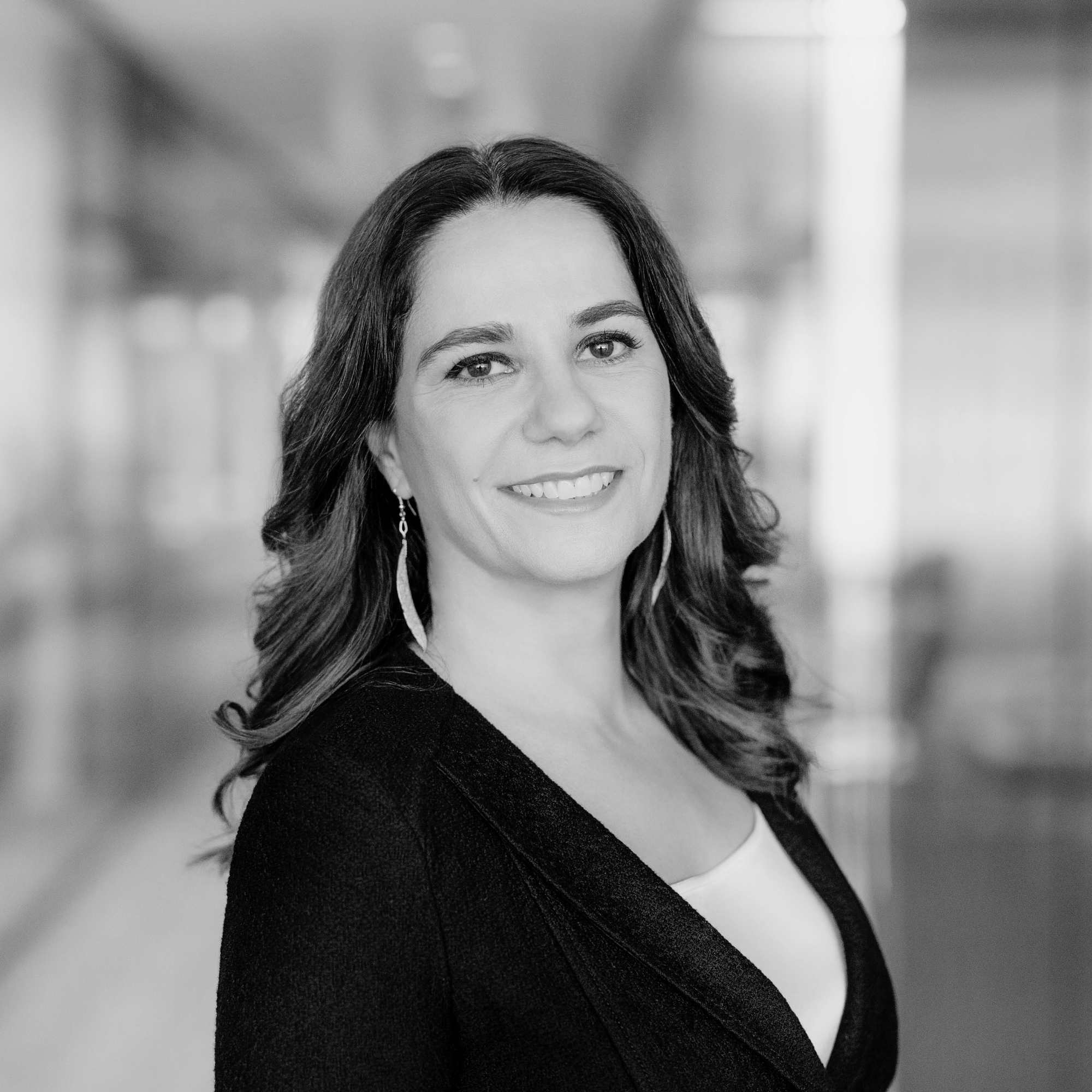 Bea MartinGroup Chief Operating Officer & President UBS EMEA
-
Magdalena M. BaranExecutive Editor Liberte! Magazine (Moderator)
-
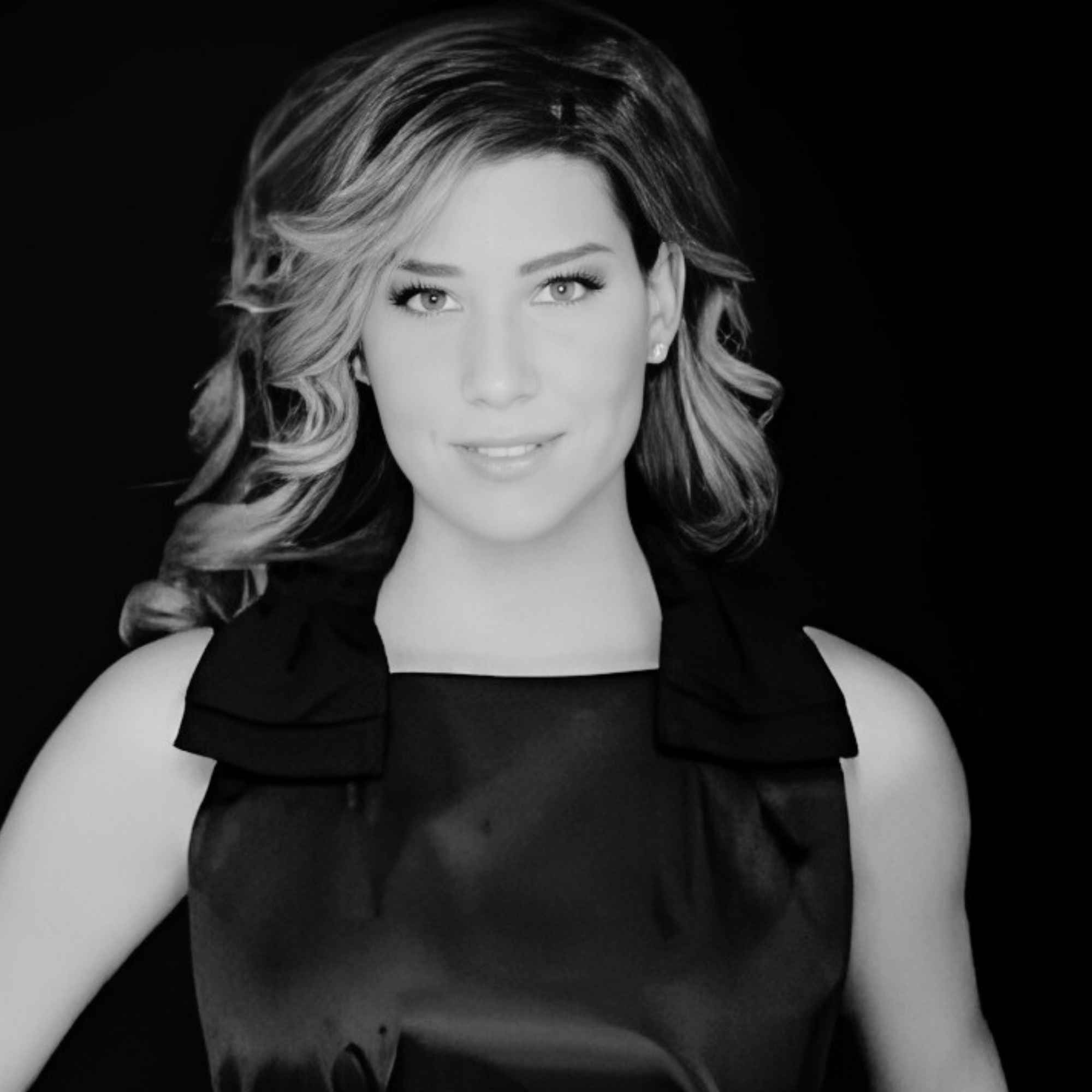 Paula YacoubianMember of the Parliament of Lebanon
 -
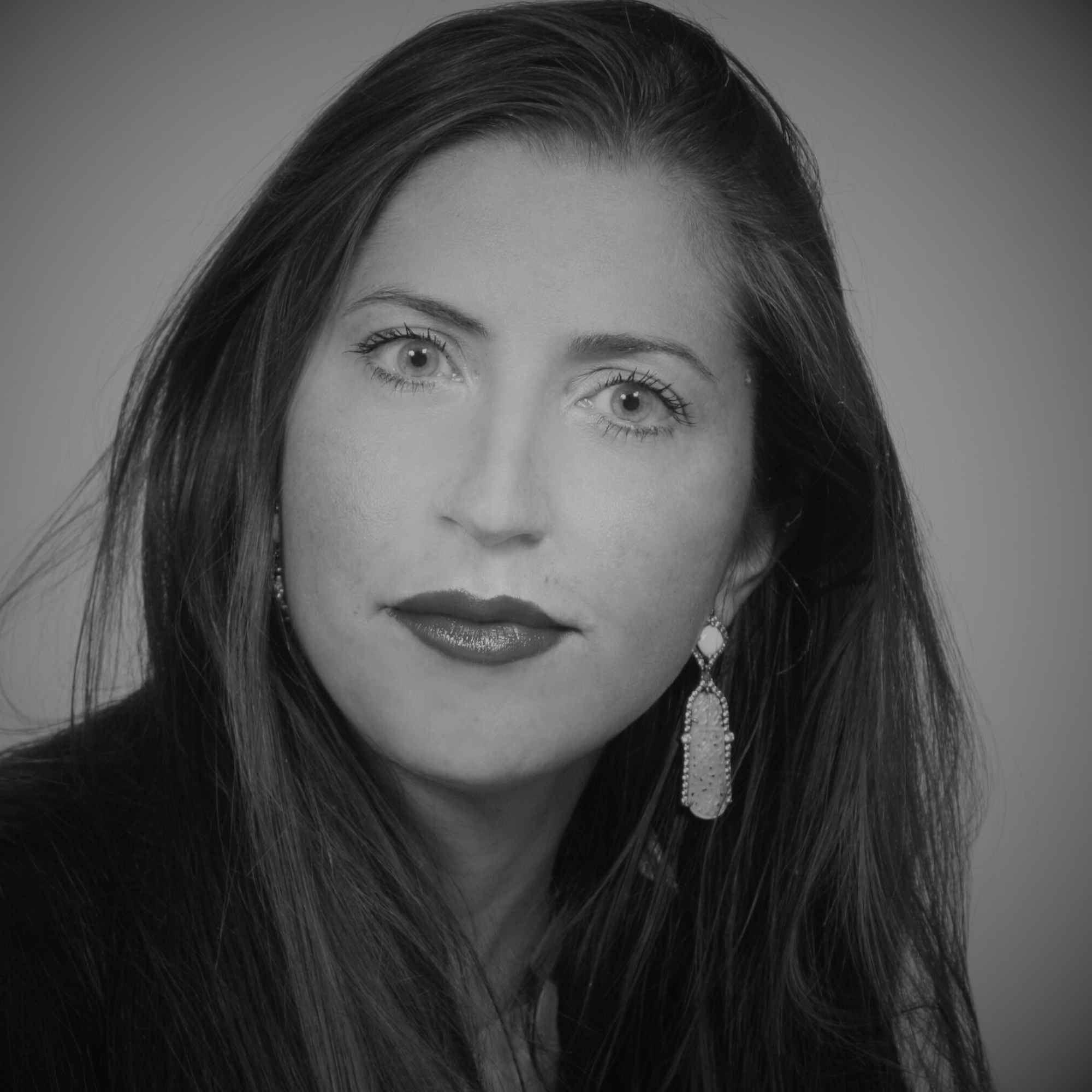 Marta PaiarBoard, PE and VC Advisor
 -
 Kariman AbuljadayelSaudi Arabian Athlete, Olympian & Guinness World Record Holder
In an increasingly volatile global landscape, we will explore how nations and organizations, global companies can adapt to rapid economic shifts, geopolitical tensions, and unforeseen threats and disruptions. Panelists will discuss security and resilience —both in terms of safeguarding critical infrastructure and ensuring economic continuity in the face of hybrid warfare, cyber threats and real-time global crises. What are best policy frameworks, what is the role of technology in fostering adaptability, and collaborative approaches to risk management, how the companies manage cyberattacs and provide security for employees? By sharing insights, the session aims to equip leaders with practical tools to enhance economic resilience and security. We want to put emphasis on resilience, adaptation, and role of female leadership in challenging times.
-
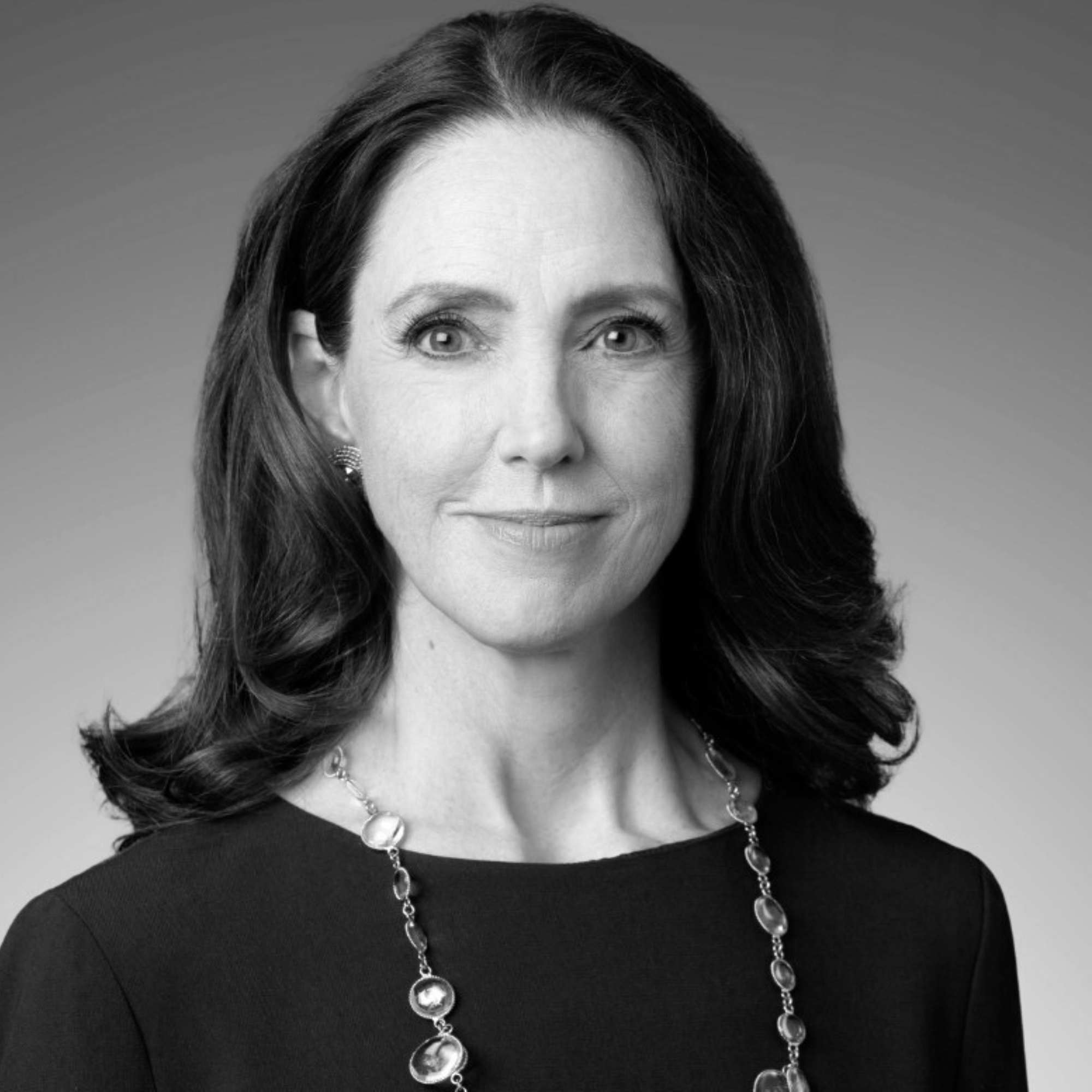 Constance HunterChief Economist of the Economist Intelligence Unit
 -
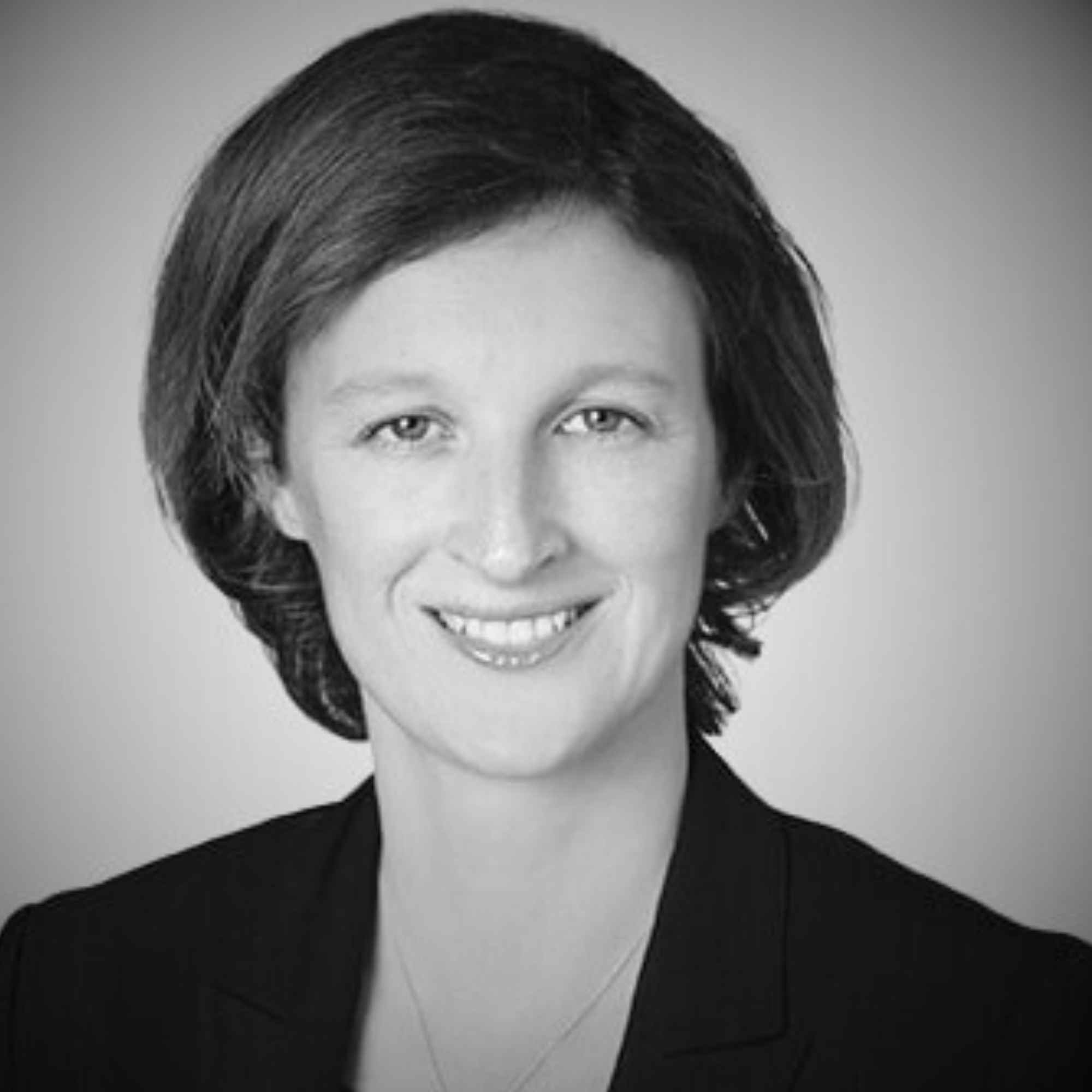 Fiona BassettCEO, FTSE Russel, LSEG
 -
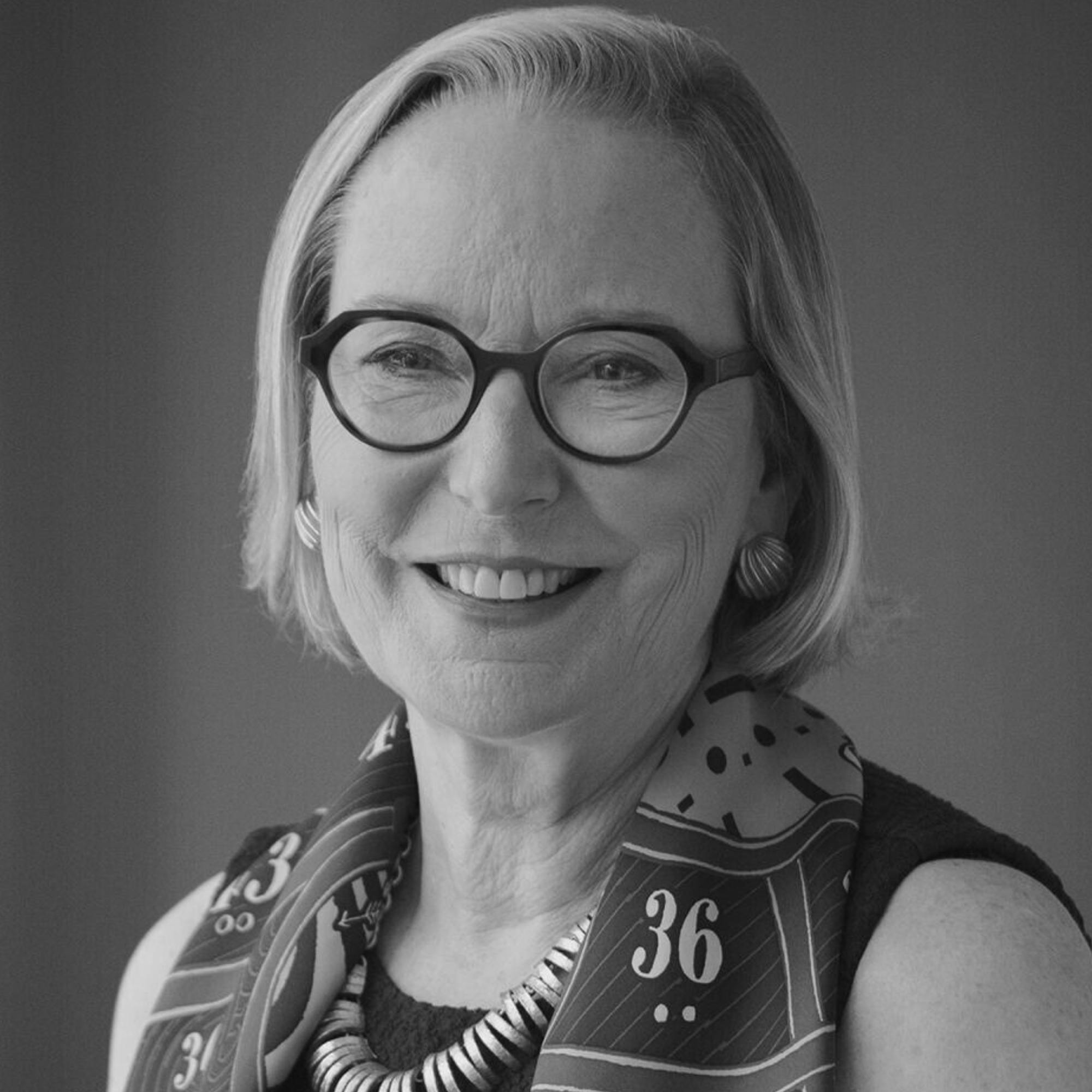 Sandi PetersonAmerican Businesswoman & Operating Partner, Clayton, Dubilier & Rice
 -
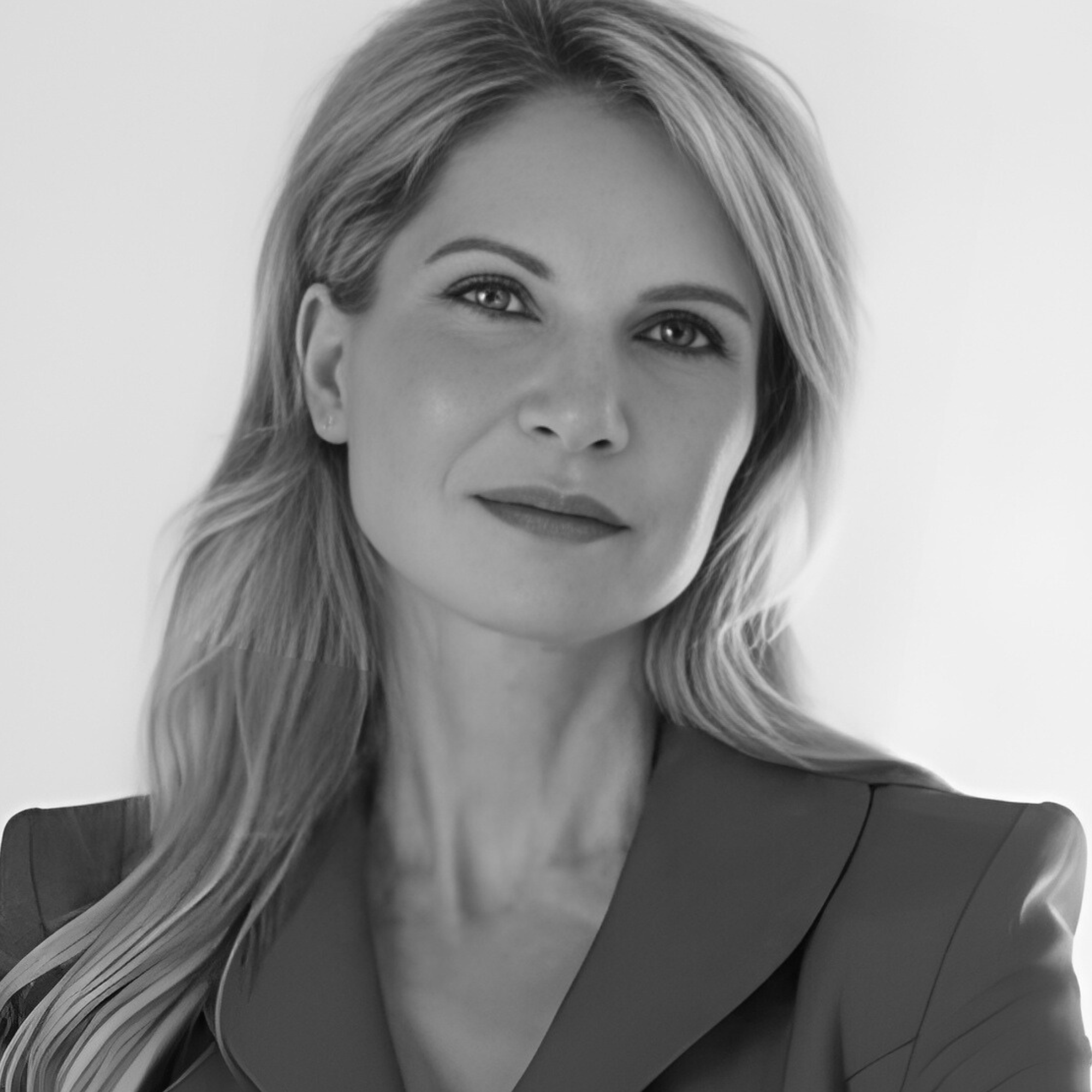 Magdalena Franciszka WierzyckaSouth African Businesswoman and CEO, Sygnia Limited
-
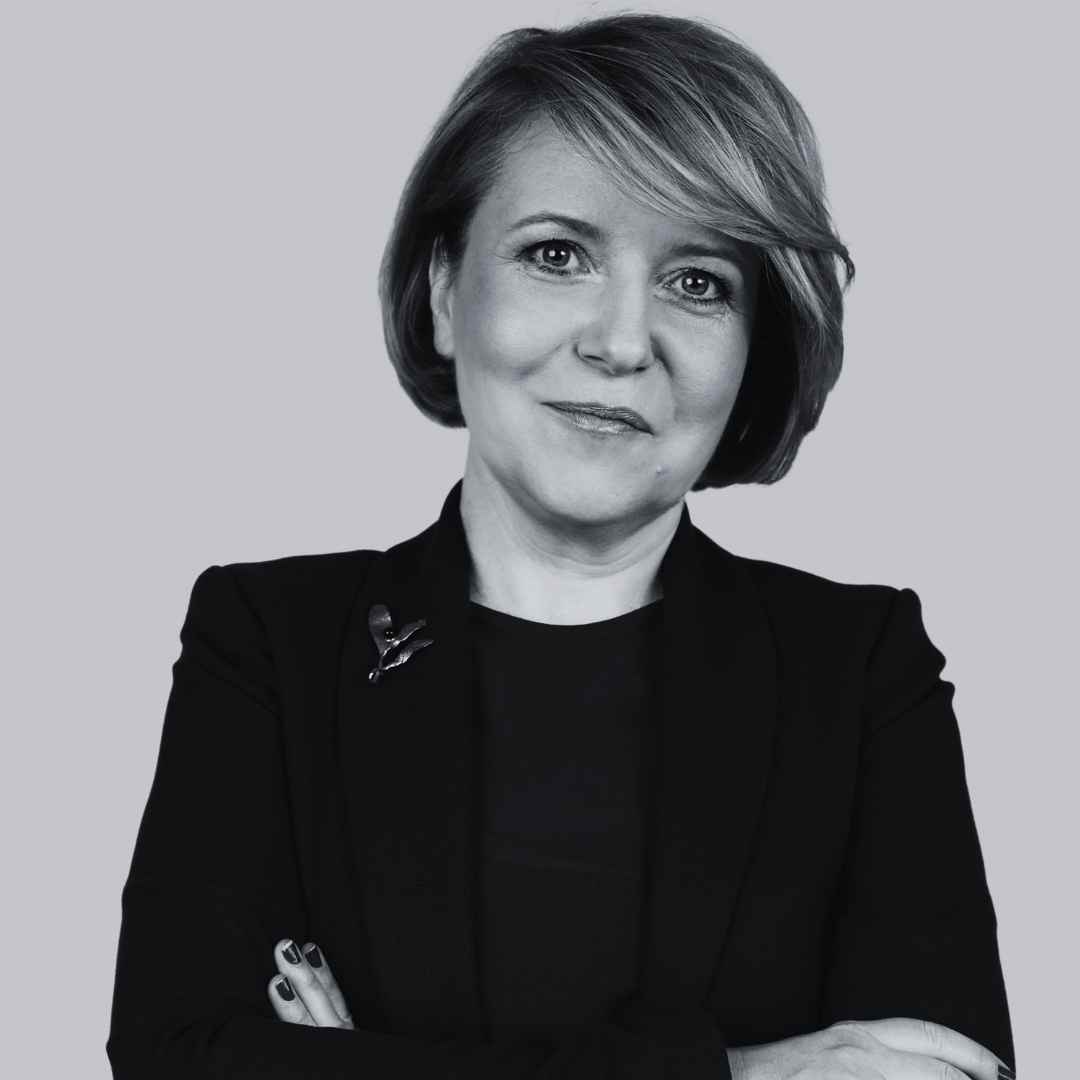 Aleksandra Karasińskajournalist and director of Ringier Axel Springer Foundation. Author of the book „Why Feminism Pays Off: Book For Women and Men”.
 -
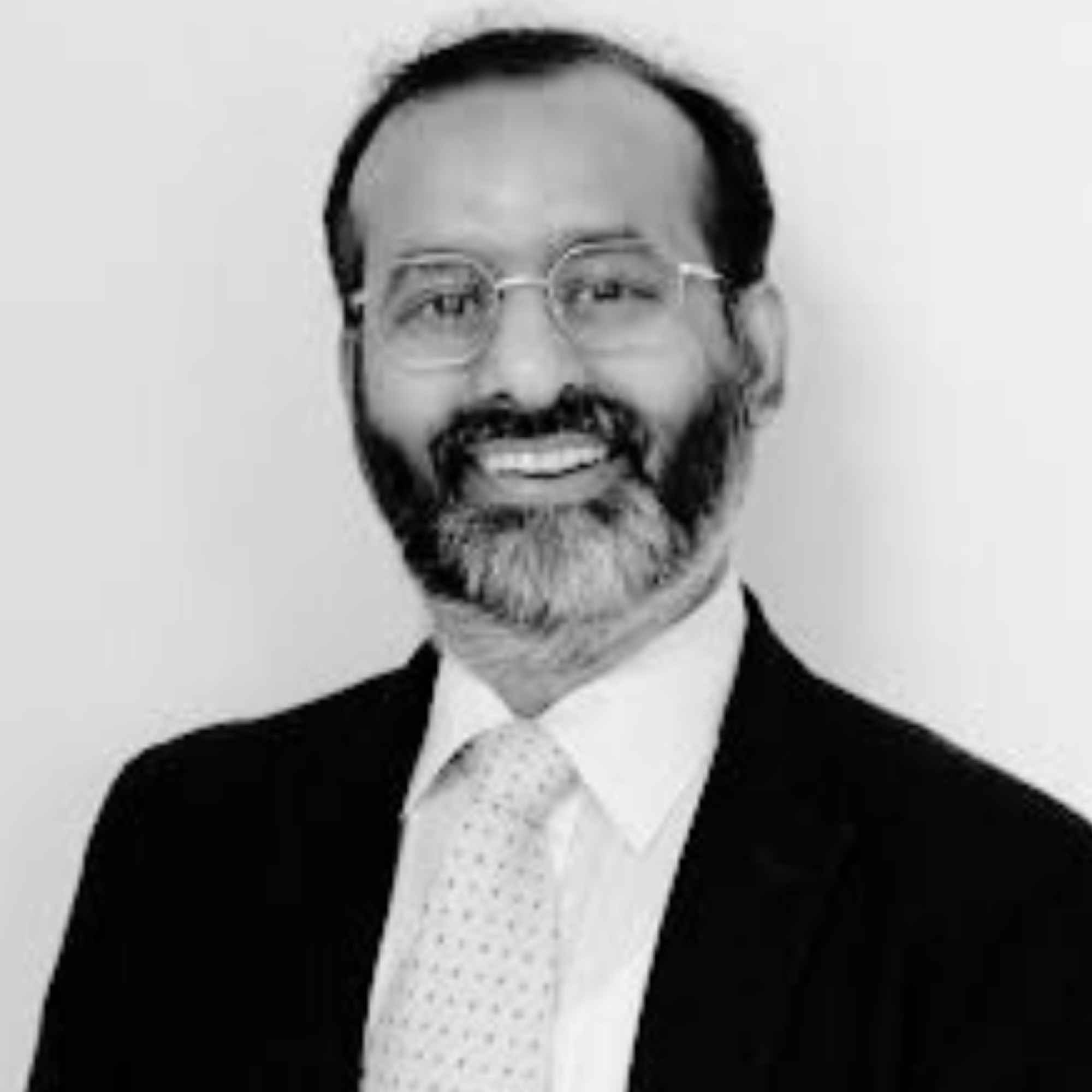 Jagannath PandaHead of the Stockholm Center for South Asian and Indo-Pacific Affairs (SCSA-IPA). He is also the Executive Editor for ISDP
 -
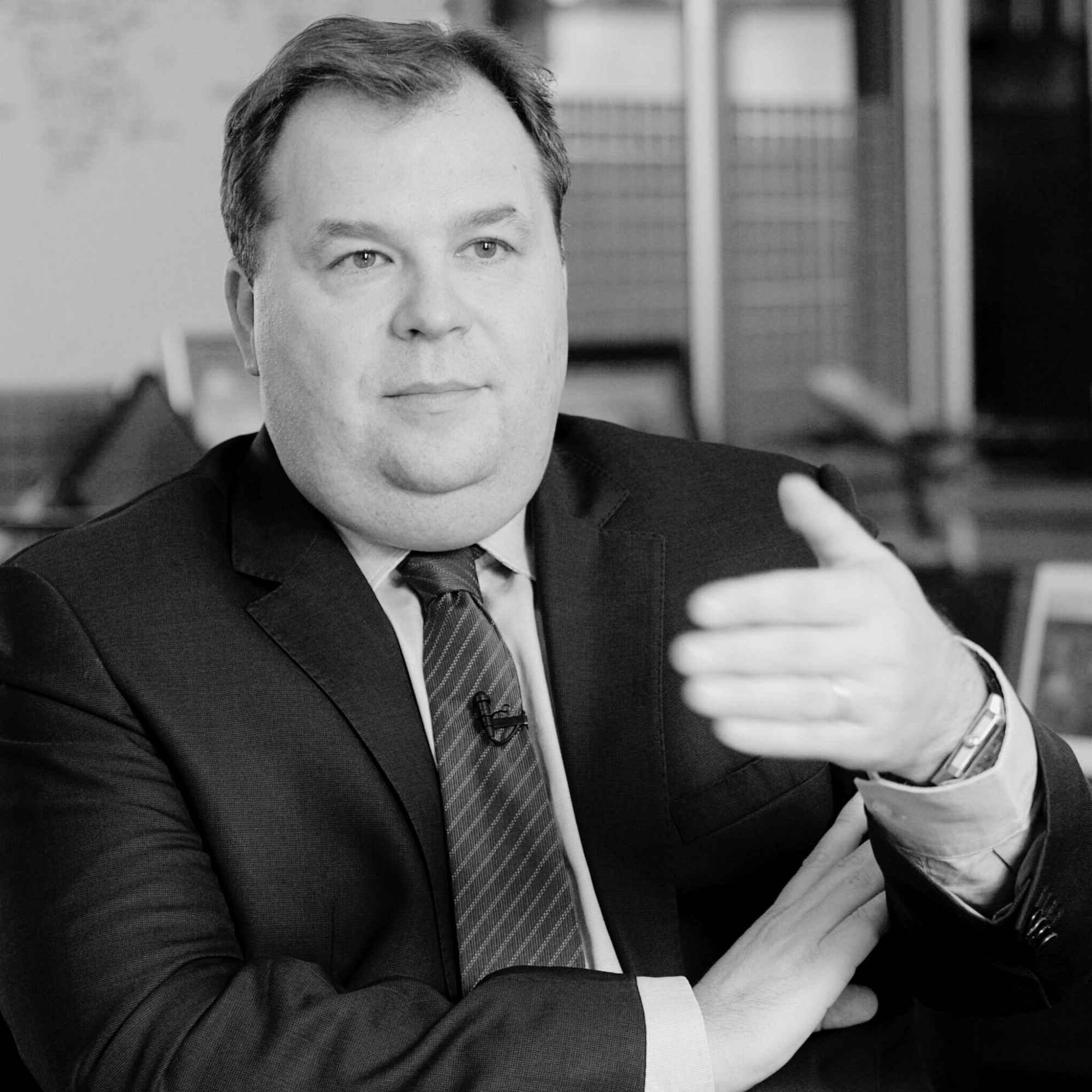 Sebastian MikoszCEO of Polish Post
 -
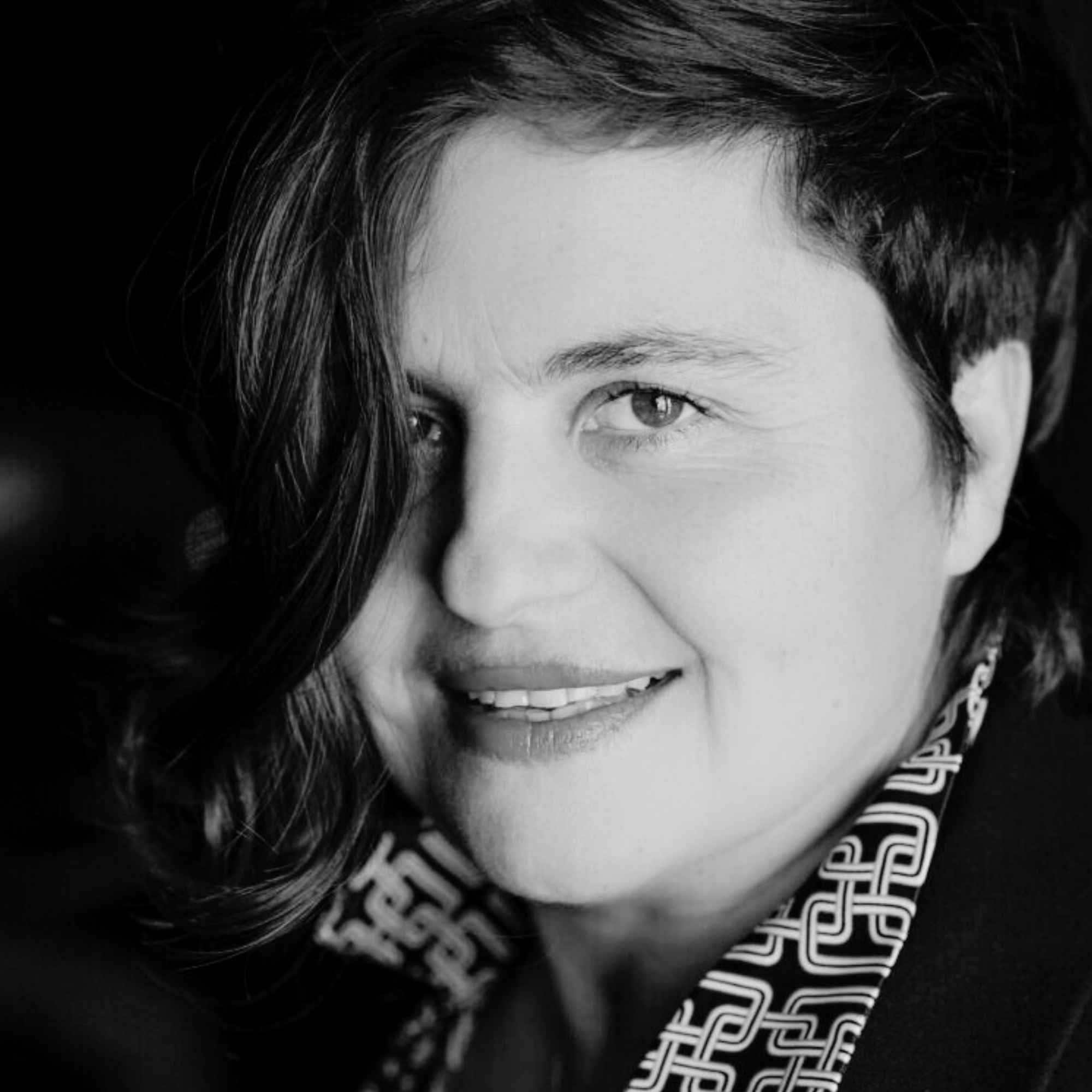 Anna MalecCEO of PDG Project Development Group
-
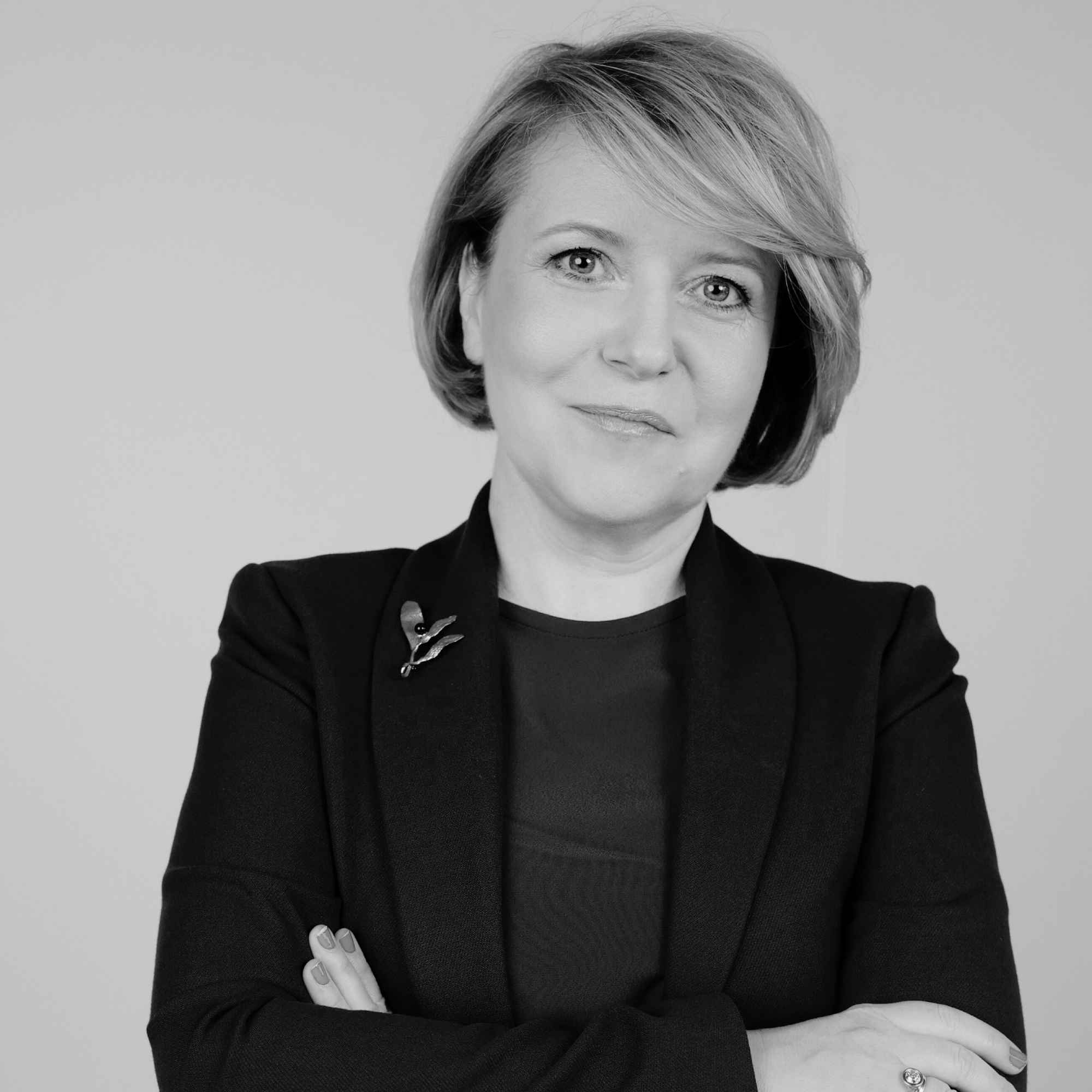 Aleksandra Karasińskajournalist and director of Ringier Axel Springer Foundation. Author of the book „Why Feminism Pays Off: Book For Women and Men”.
 -
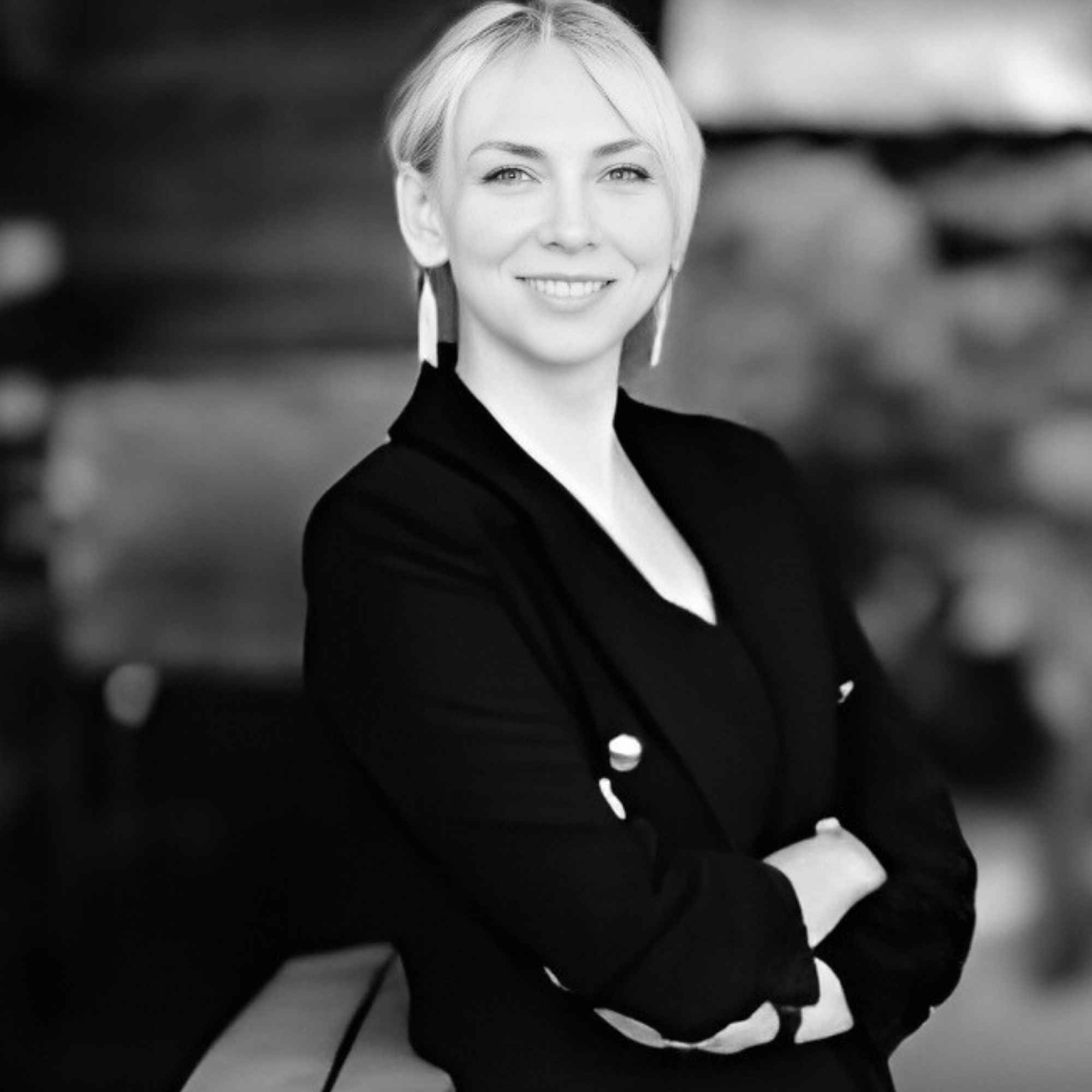 Nataliia ChervonaManaging Director, Ukraine Shield AI
-
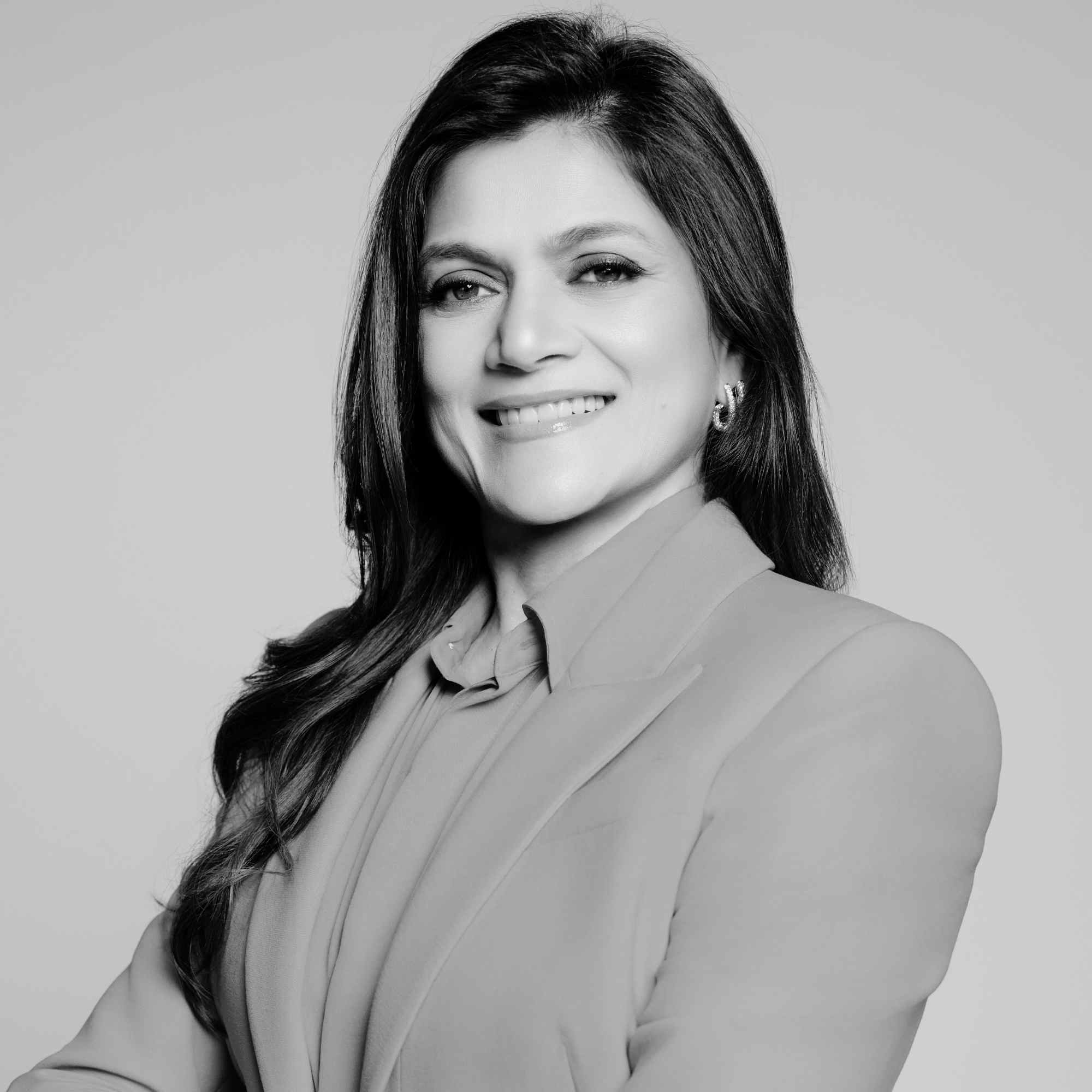 Neerja BirlaFounder and Chairperson, Aditya Birla Education Trust
 -
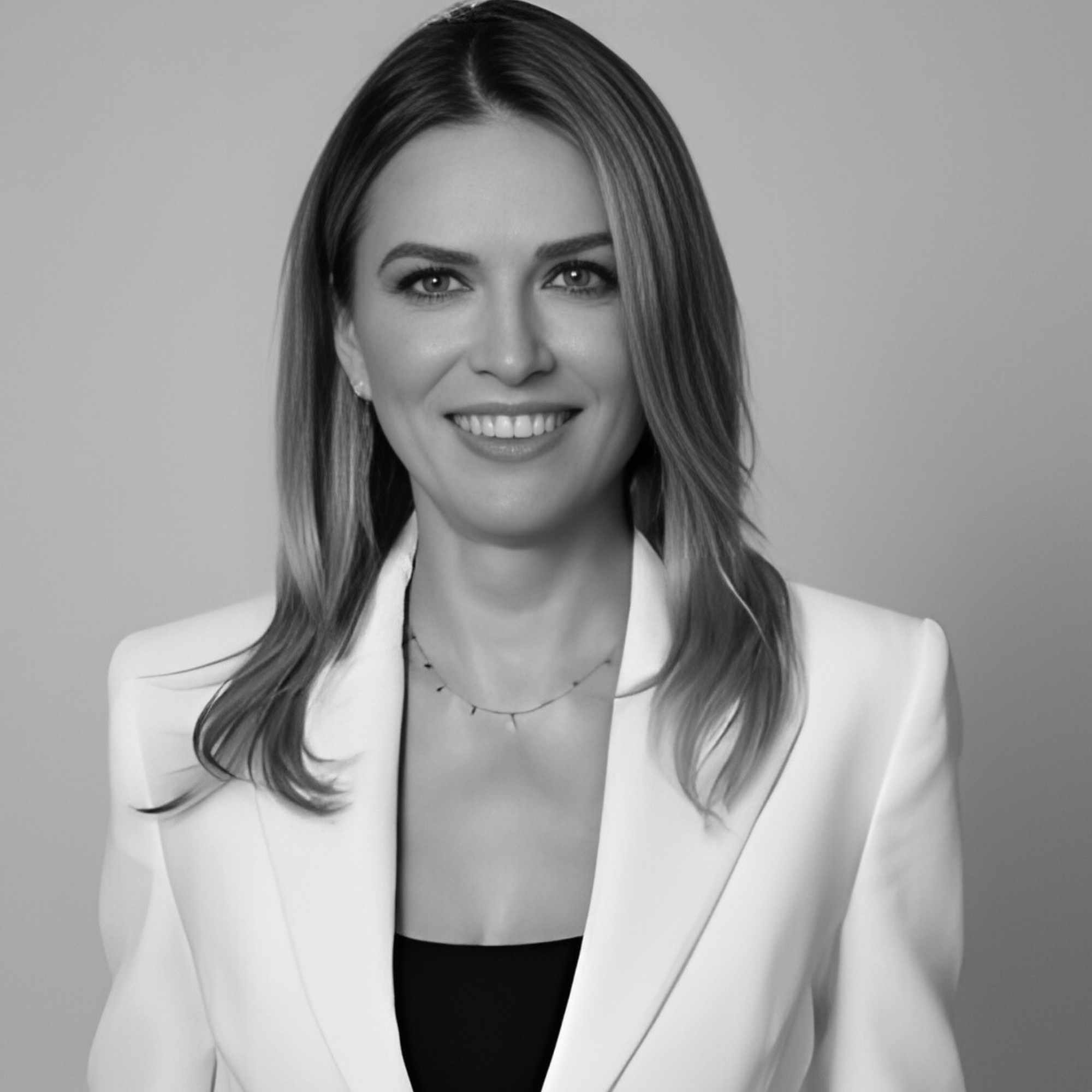 Katarzyna GawełHead of Diversity, Equity & Inclusion (DEI) / Forbes Women (Moderator)
-
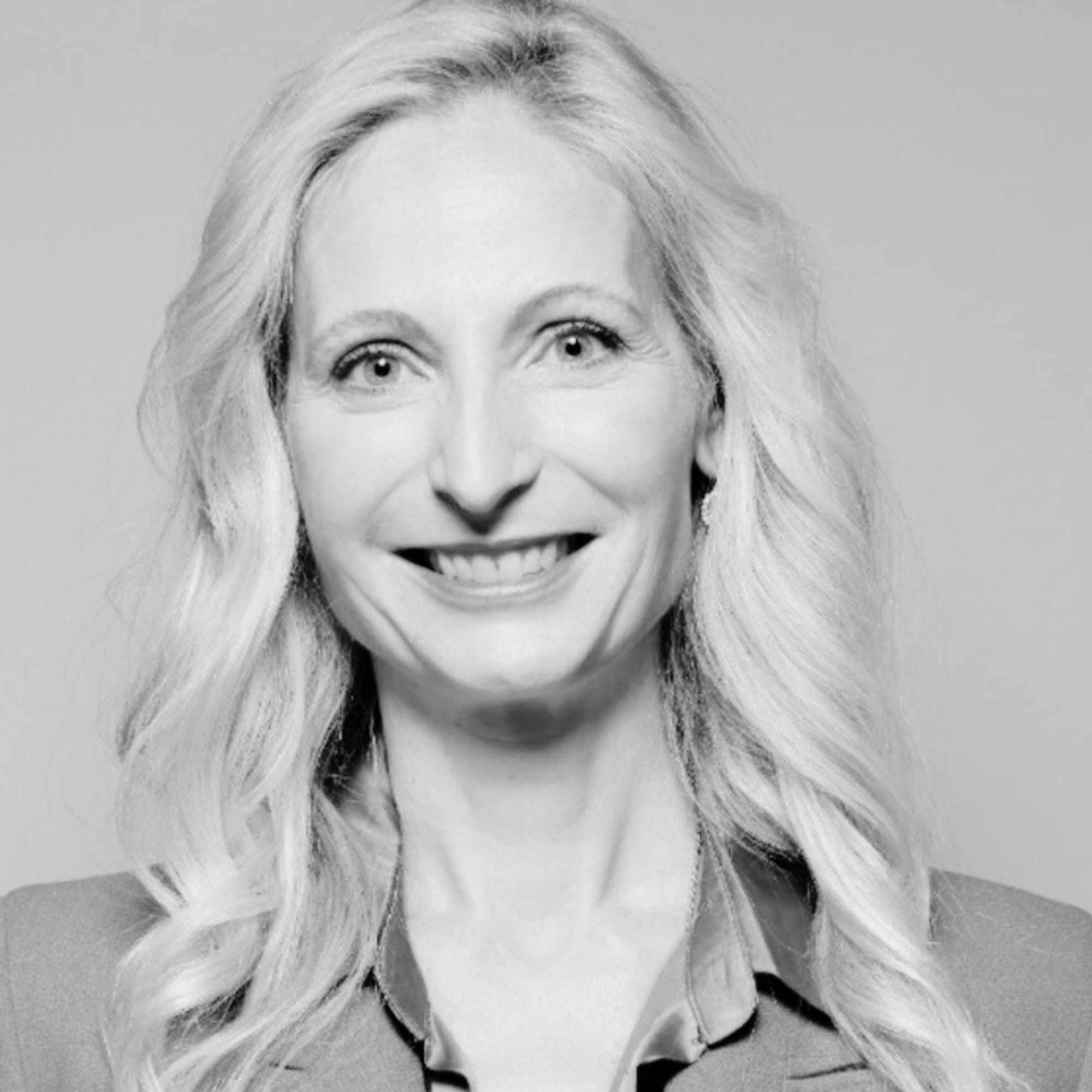 Annabella BasslerCFO of Ringier & Initiator, Equal Voice
 -
 Aleksander KutelaCEO of Ringier Axel Springer Polska.
 -
Rupa DashCEO, World Woman Foundation
-
Françoise CardosoCSR & Sustainability Executive Director, Executive Committee member, L-Acoustics
-
 DJ Hesta PrynnAmerican DJ and Licensed Therapist
As of 2024, women hold approximately 23.3% of board seats globally, a figure that continues to evolve. Governments and organizations worldwide are making significant strides to elevate women into leadership roles, particularly within the boardroom. Notable examples include the EU's 2022 directive requiring listed companies to have at least 40% women in non-executive director positions, and similar initiatives across Norway, France, California, and numerous other countries. These initiatives are reshaping the composition of boardrooms globally. However, achieving true impact goes beyond simply ensuring women have a seat at the table. It's about empowering their voices and fostering their influence once they are there. Drawing on my research into power, influence, and gender dynamics in boardrooms (primarily conducted in Europe), this session will explore how women's paths to the boardroom differ from men's and the unique challenges and opportunities they face in navigating these spaces. I'll reveal insights into the behaviors and strategies that enable successful women board members to gain influence, drive meaningful decisions, and create lasting impact.
-
 Rupa DashCEO, World Woman Foundation ,
 -
 Jennier JordanProfessor of Professor of Leadership and Organizational Behavior, IMD
 -
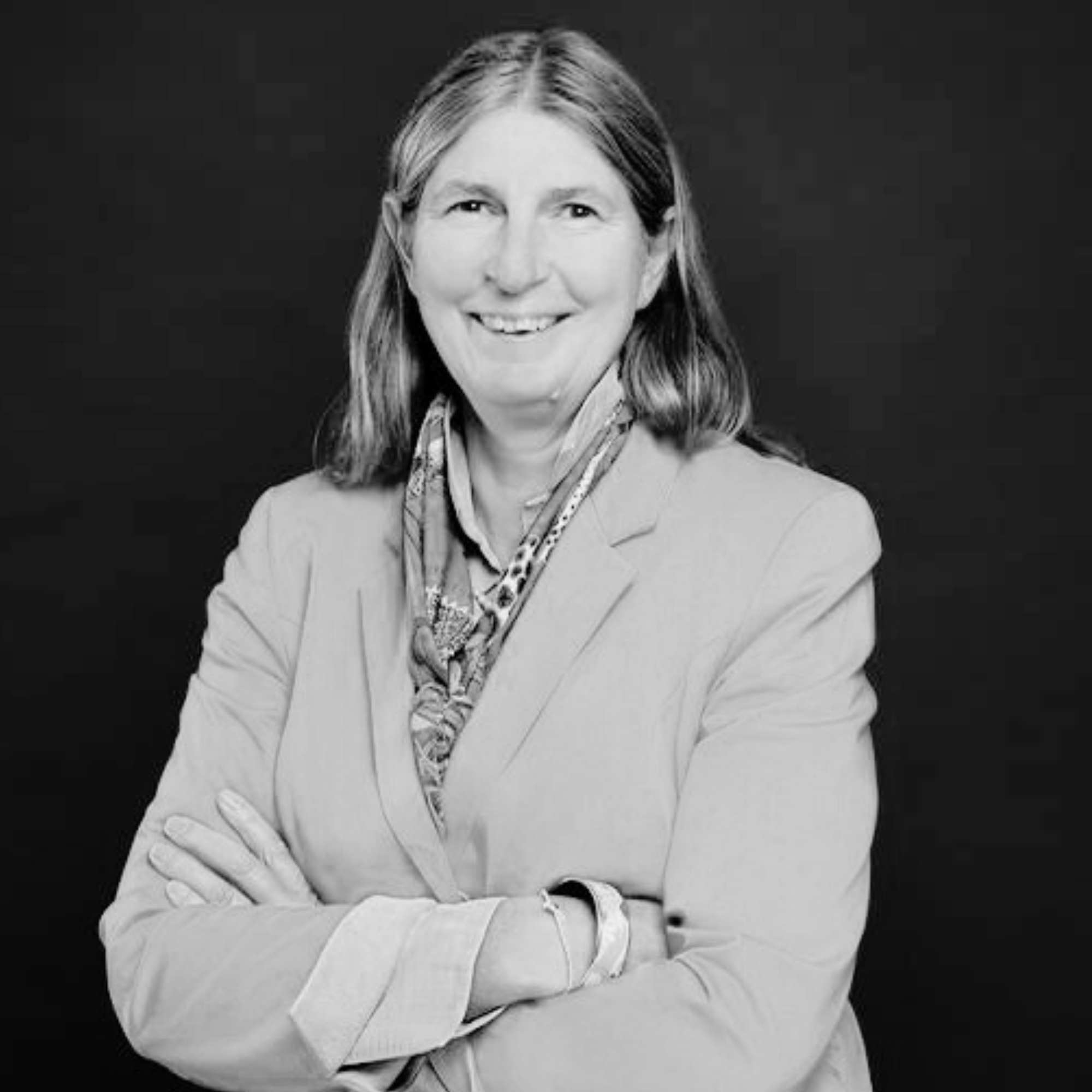 Caroline BasynGroup Chief Digital and Information Technology Officer, Adecco Group
 -
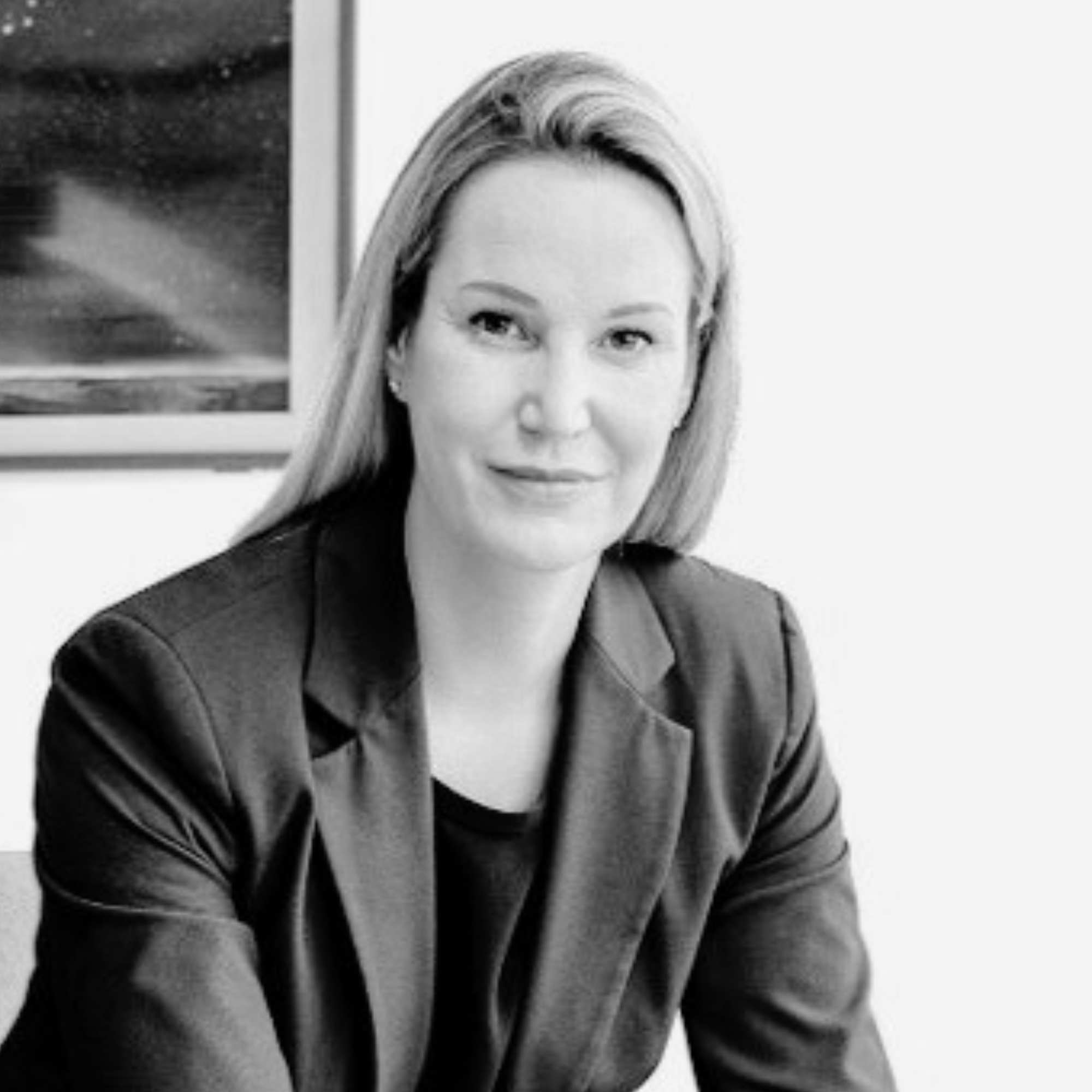 Simone SteblerManaging Partner Egon Zehnder
Hon. Prime Minister of Sri Lanka Dr. Harini Amarasuriya
-
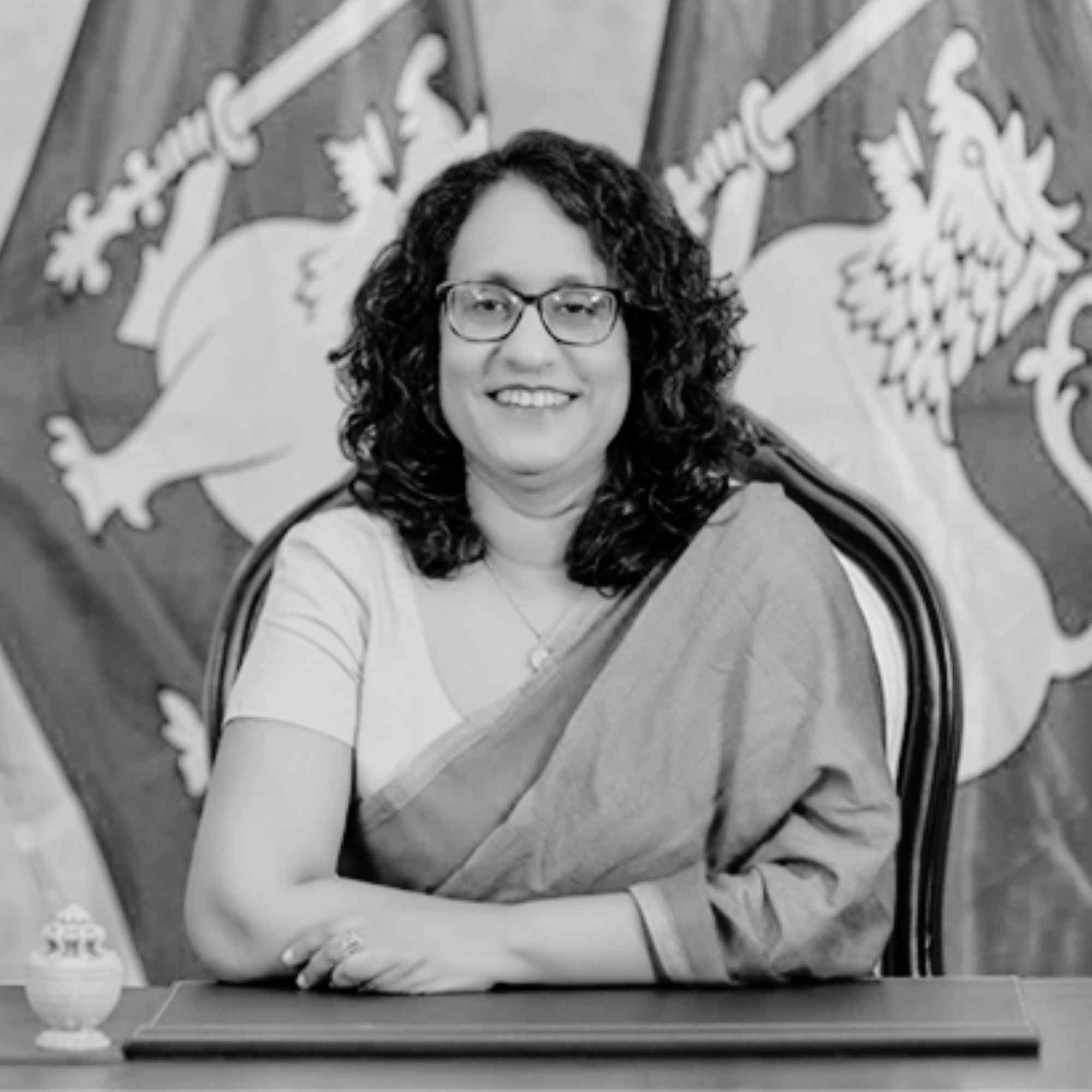 Hon. Prime Minister of Sri LankDr. Harini Amarasuriya
 -
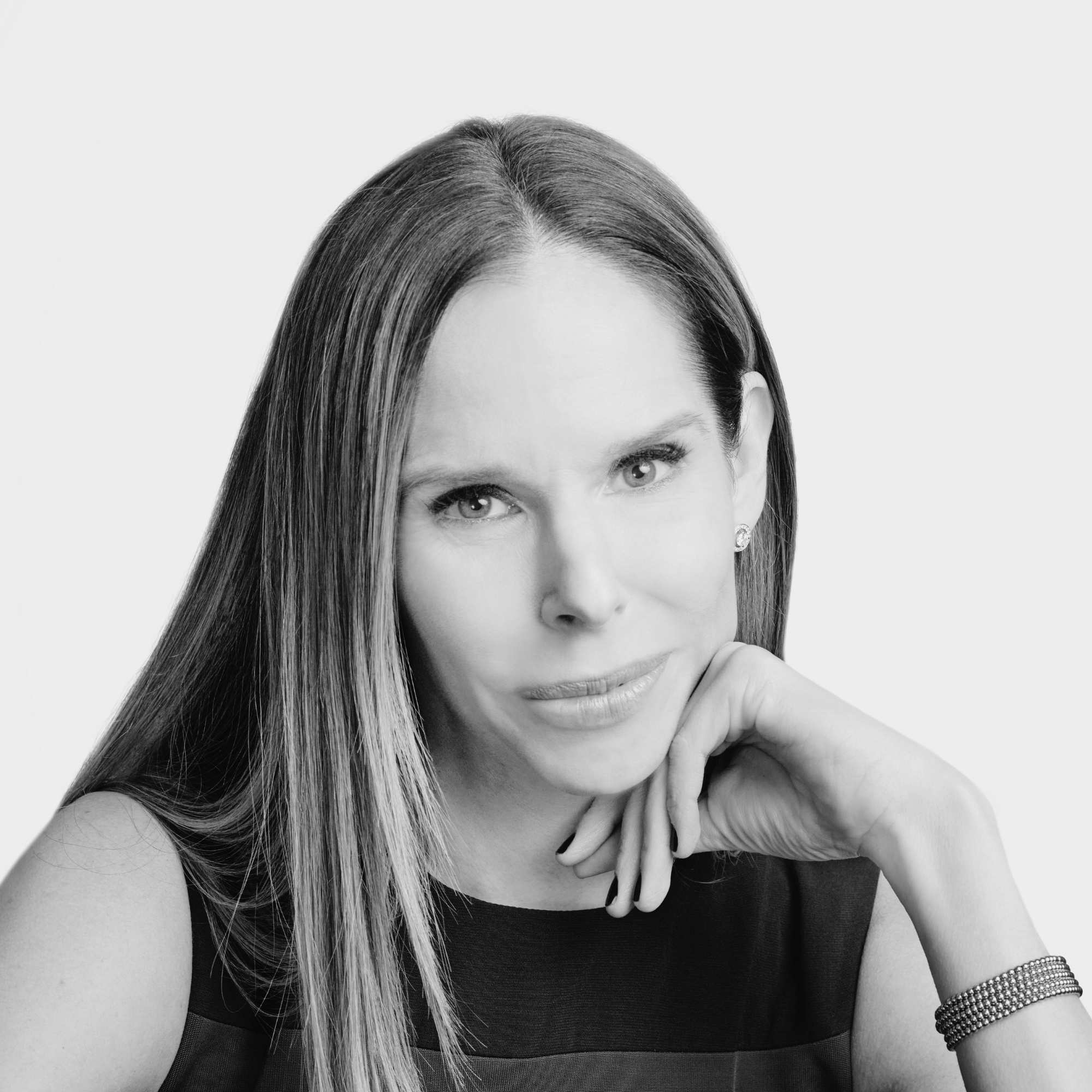 Moira ForbesJournalist, Publisher, and Executive Vice President, Forbes
-
Anne ChevrierMarketing Manager, Dassault Systèmes (Moderator)
-
Christian HaltinerMD CH Dassault Systèmes
-
 Mimi Choon-QuinonesChairwoman of Partners For Patients NGO
 -
 Danai SpentzouPolicy Advisor at the European Parliament
 -
 Efstathia (Efi) GkikaDeputy General Counsel- Chief Privacy Officer Baxter International
A dynamic conversation bringing together investors, founders, and industry leaders to explore how purposeful capital, innovation, and inclusive investment, can accelerate productivity, boost entrepreneurship, and build a sustainable, competitive economy.
-
 Viwe KunenePresenter Forbes Middle East
 -
 Dr. Saeeda JaffarSVP, Group Country Manager - GCC, Visa, CEME
 -
Andrea GontkovičováVP Corporate Affairs, Philip Morris International
-
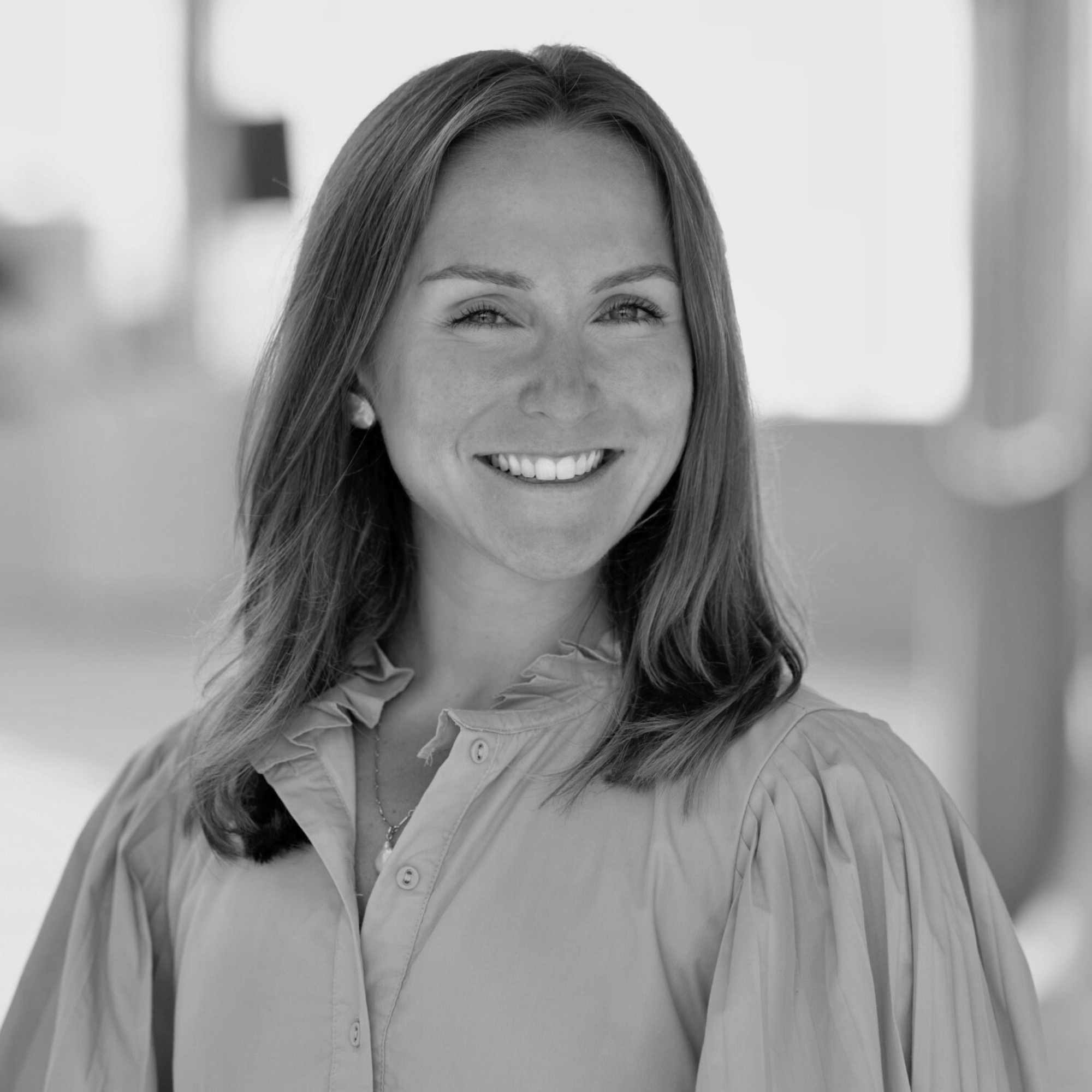 Kendra JonesAssociate Director, Government & Public Affairs, Merck Healthcare (Moderator)
 -
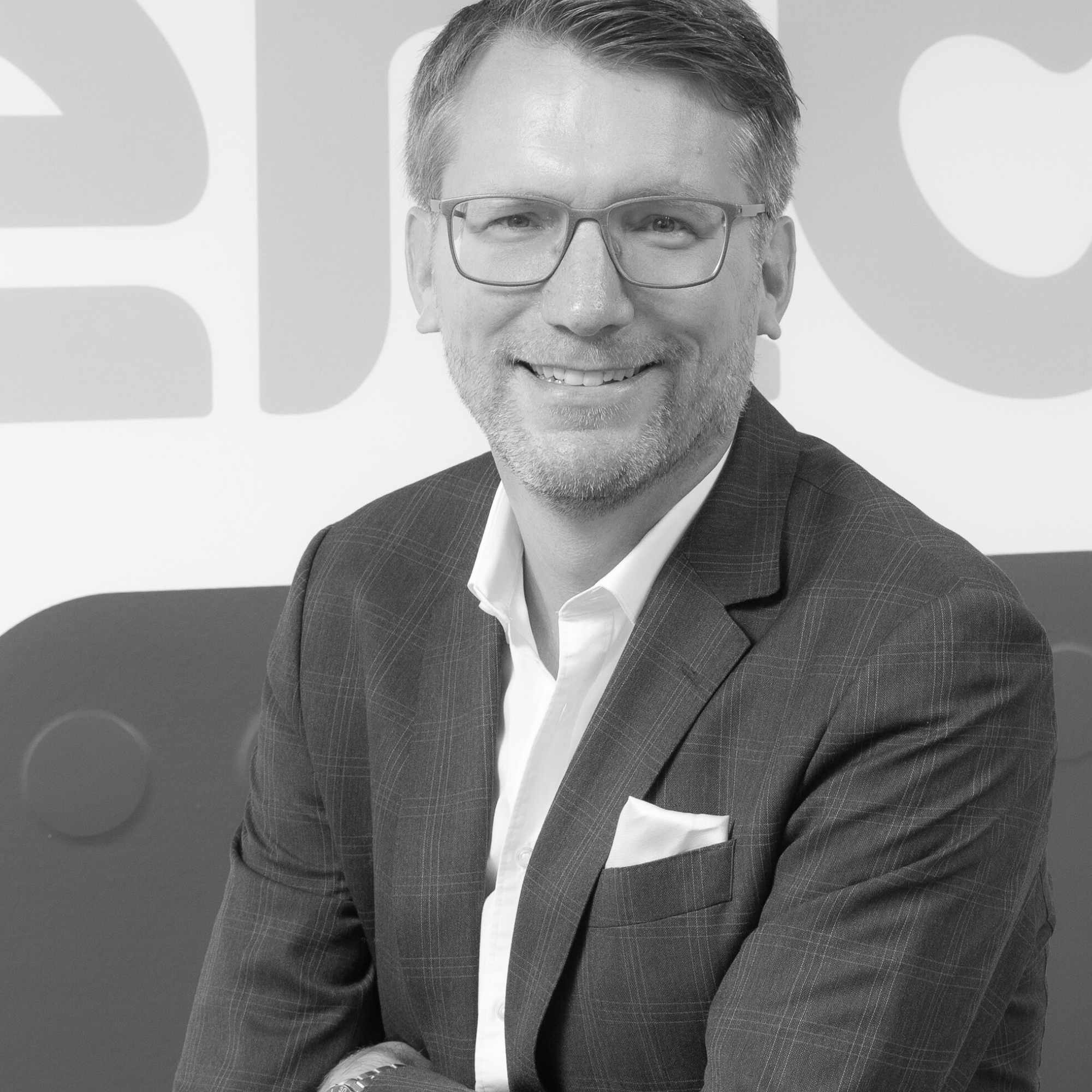 Dr. Leif E. MollGeneral Manager Switzerland, Merck Healthcare
 -
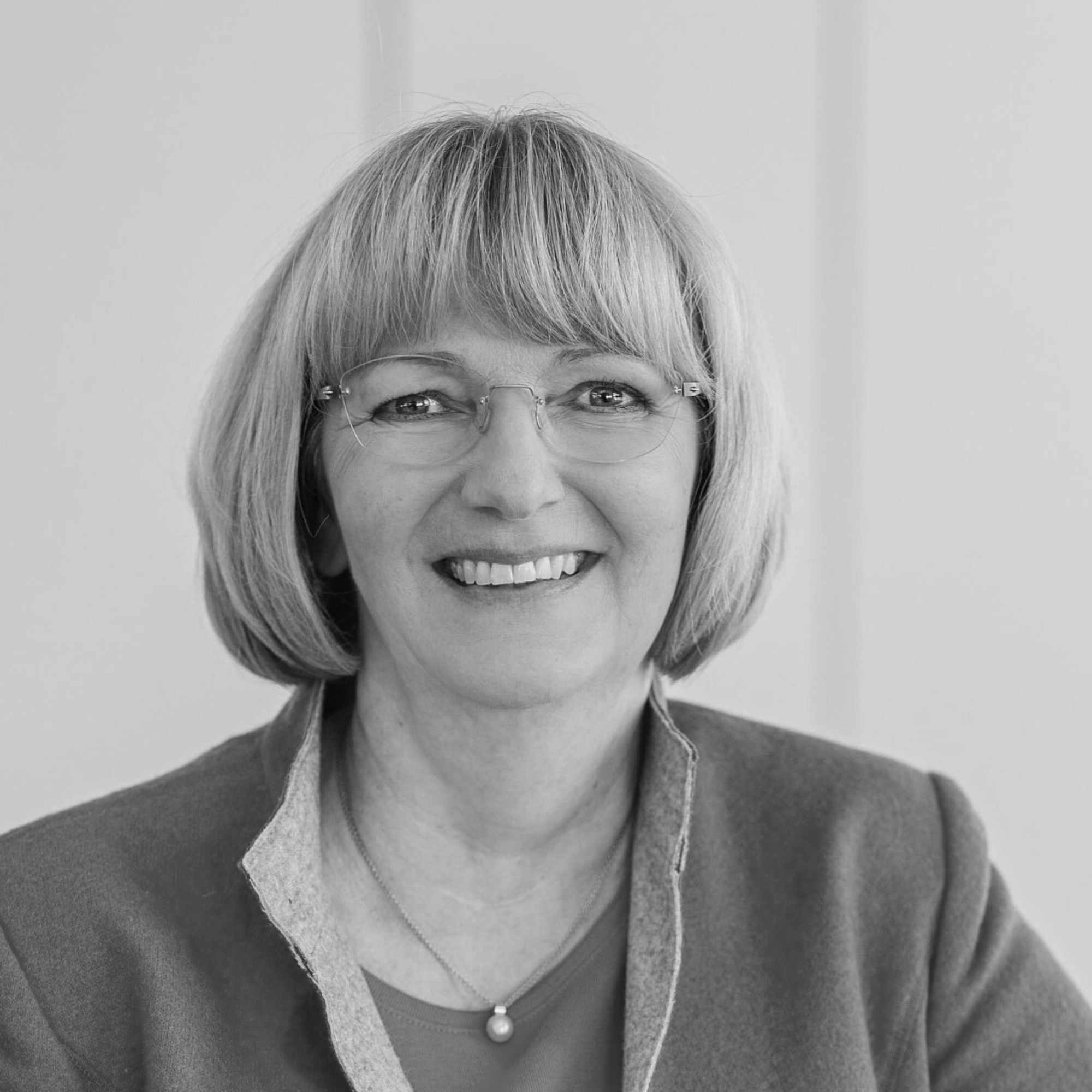 Prof. Dr. Gudrun SanderDirector Institute for International Management and Diversity Management and Director Competence Center for Diversity, Disability and Inclusion CCDI
 -
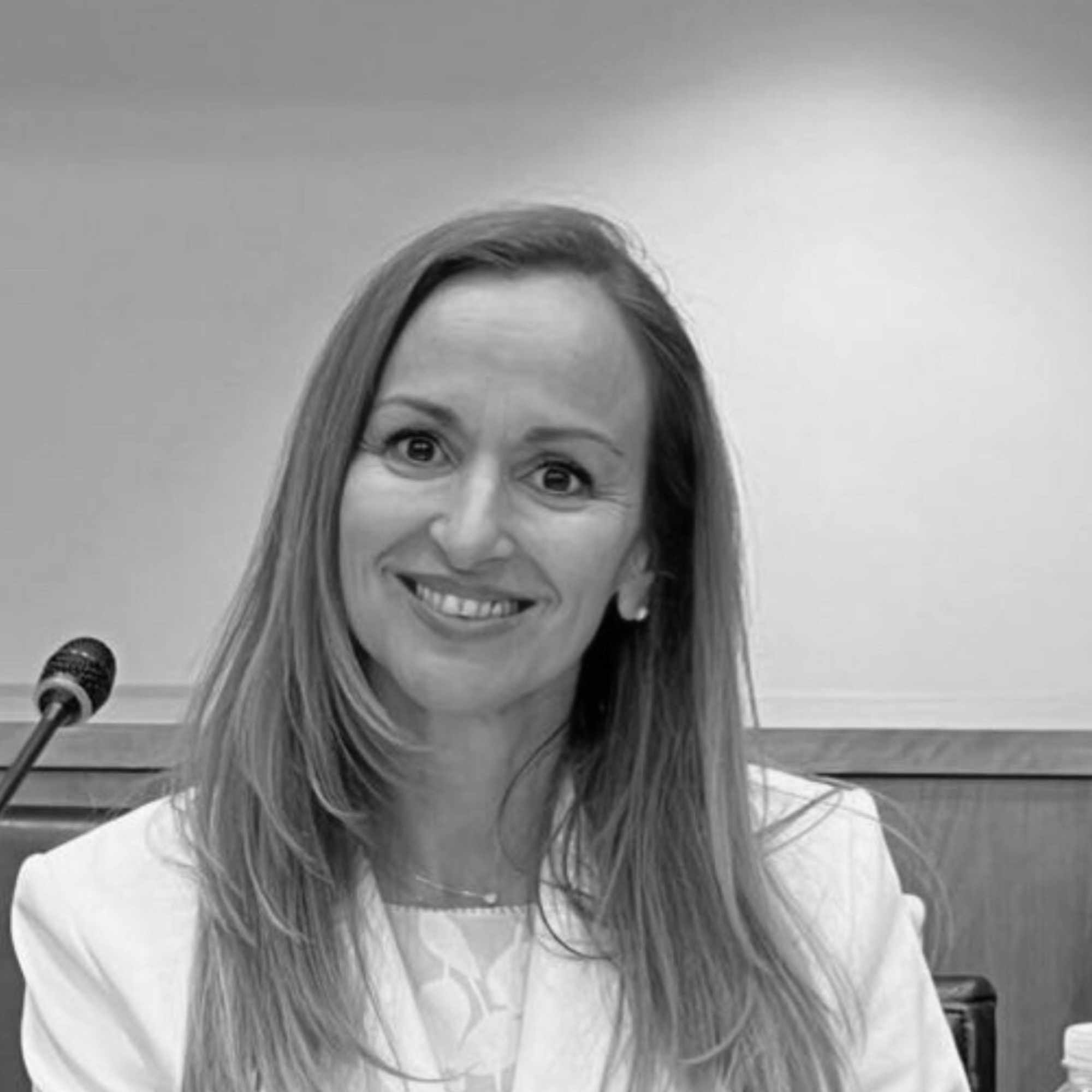 Silvia Candamil NeiraVP, Global Initiative on Ageing & Longevity - GIA Longevity
 -
 Dr. Mariarosa Cutillo-BlakeChief of the Private Sector and Civil Society Branch of the UNFPA
This session examines digital literacy levels among men and women across Middle Eastern countries, highlighting inter-country disparities and underlying causes. This discussion will explore how the region’s digital strengths can be leveraged to advance women’s entrepreneurship and leadership in technology, and how regional successes can inform and inspire international approaches to digital inclusion
-
 Constanze SchweinsteigerSenior Partner, Roland Berger (Moderator)
 -
 Frederick Van GysegemPartner, Roland Berger
 -
 Shahd AlrashedChief Growth Office of Saudi Arabia, Agility
-
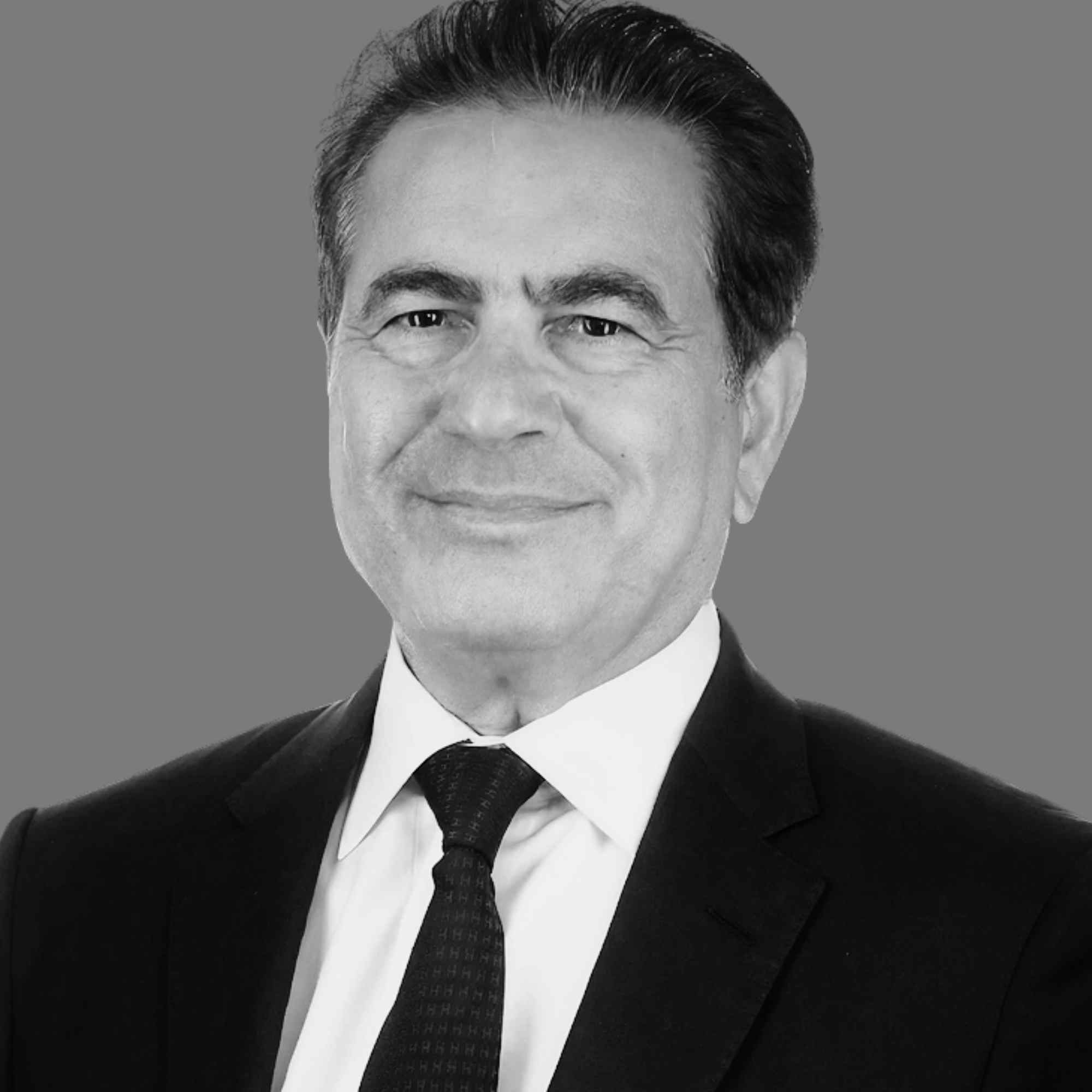 Mukesh AghiPresident & CEO, US-India Strategic Partnership Forum
 -
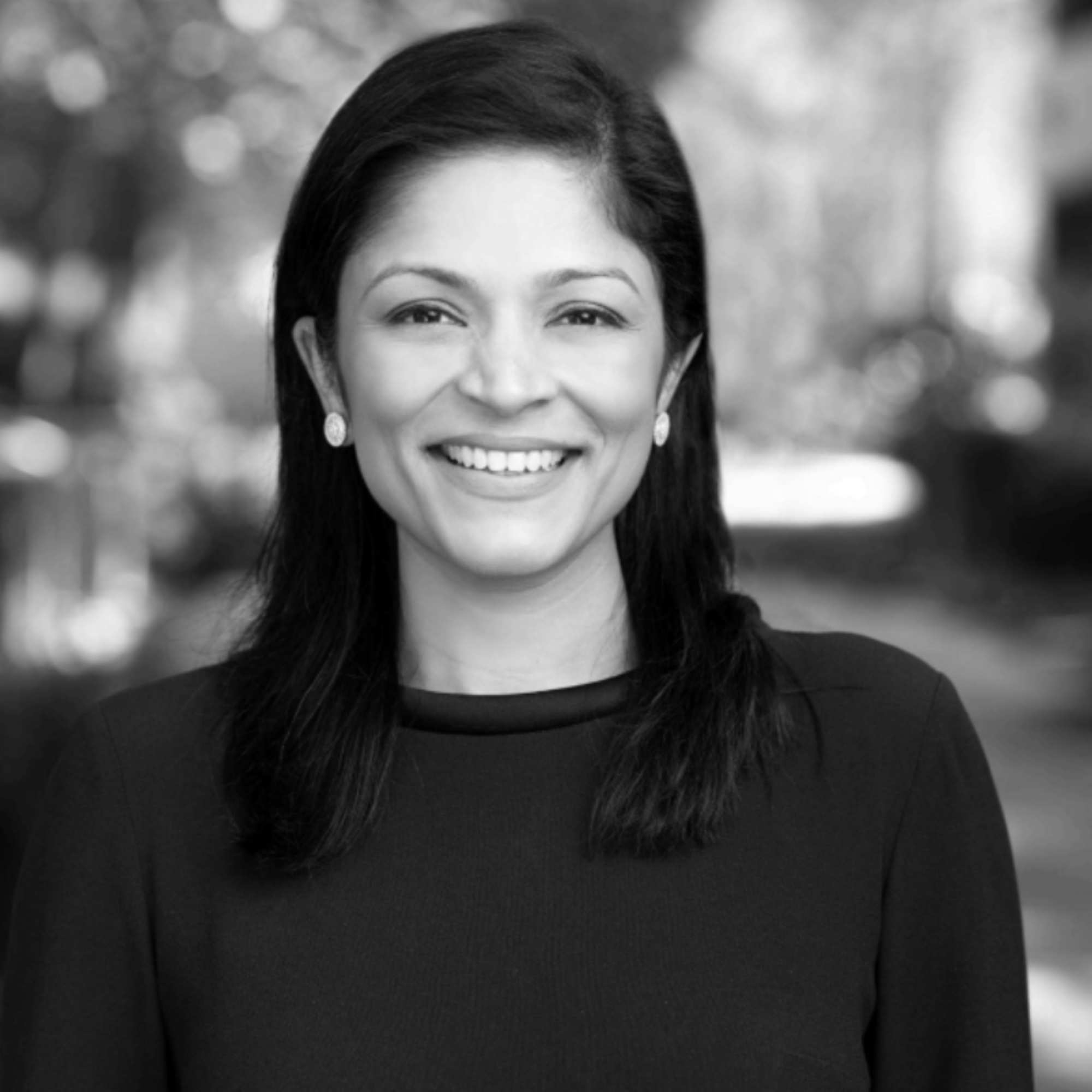 Aparna BawaChief Operating Officer, Zoom
 -
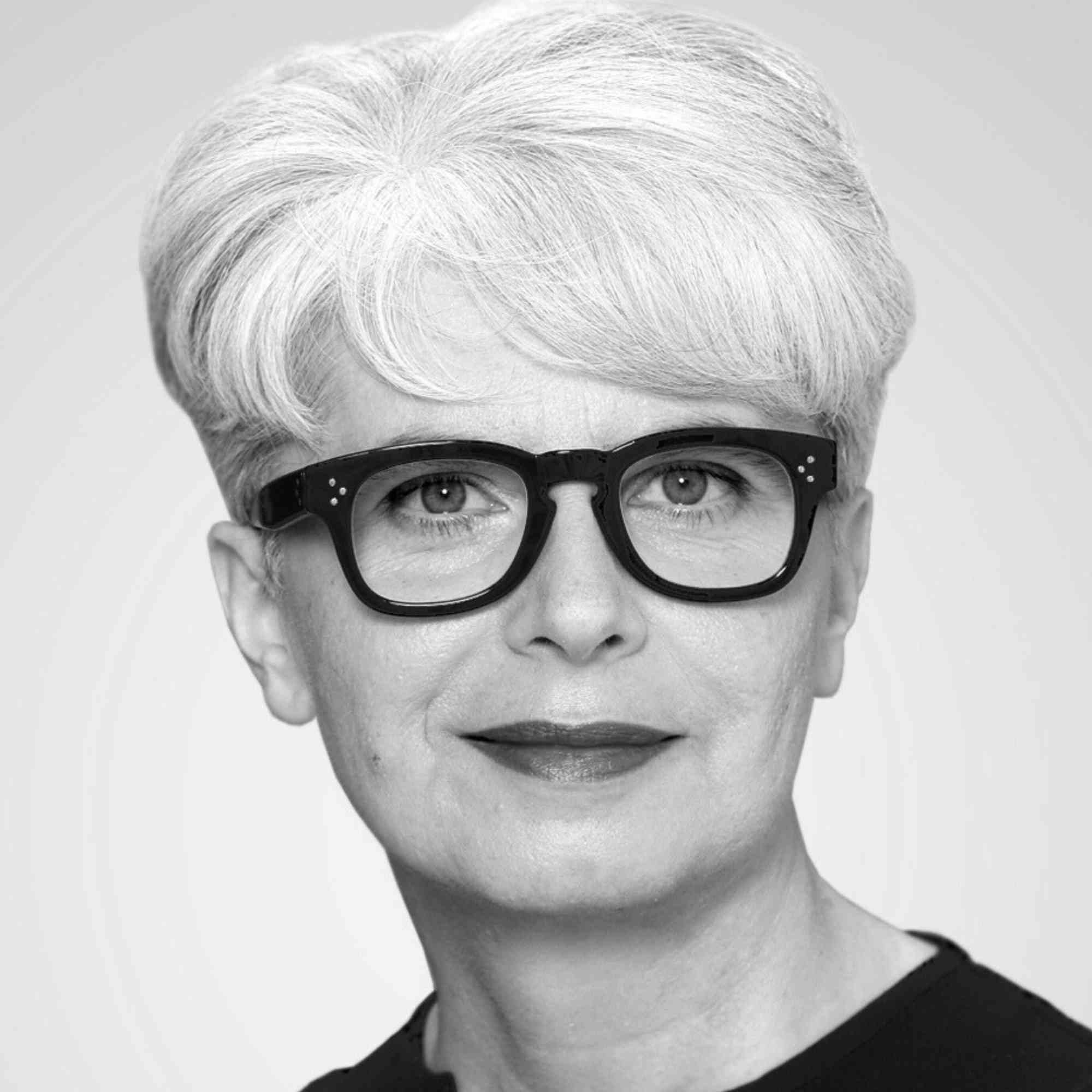 Renata CasaroHead of Global Risks and Macroeconomic Analysis at Schaeffler AG
 -
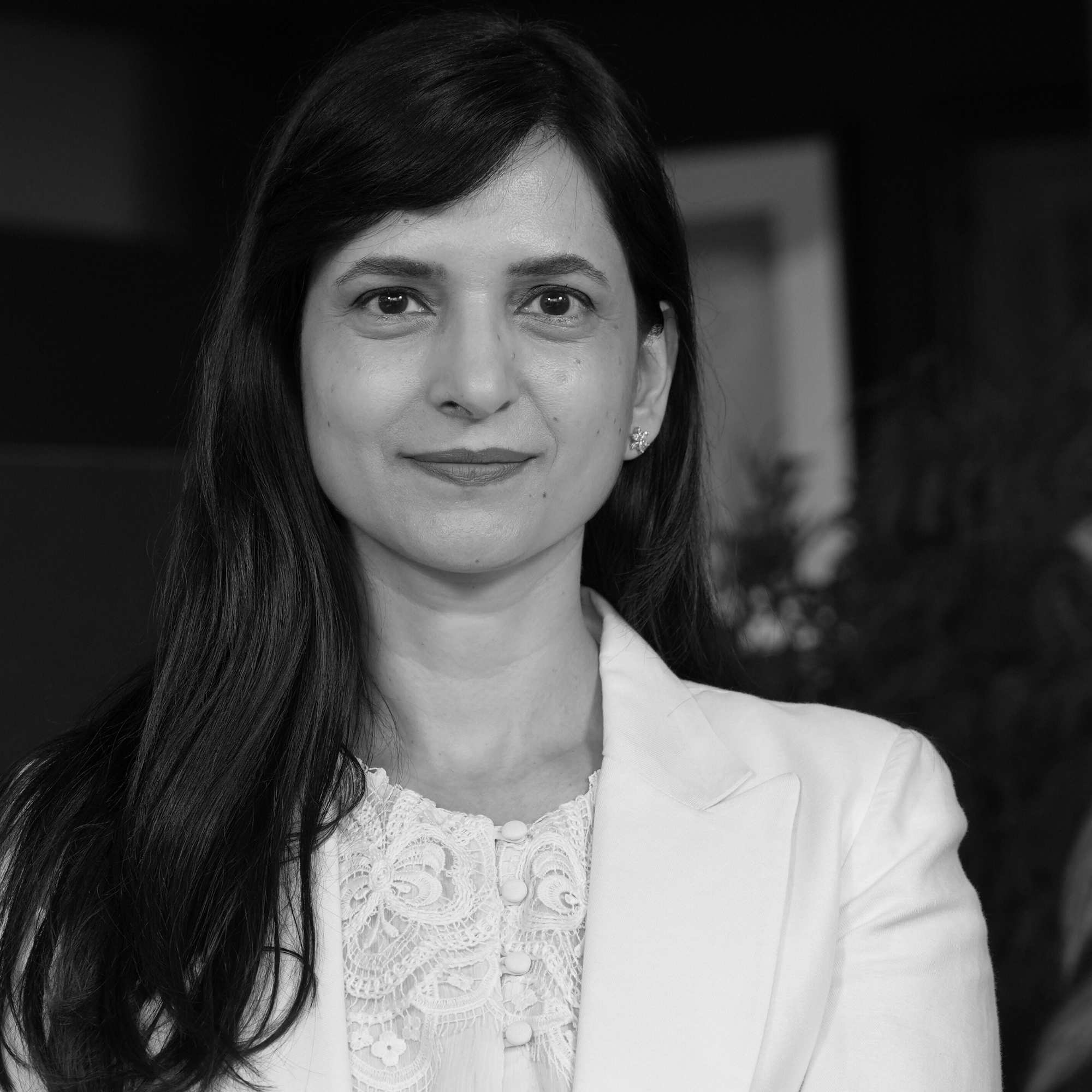 Bhawna AgarwalSenior Vice President & Managing Director, India, HPE
 -
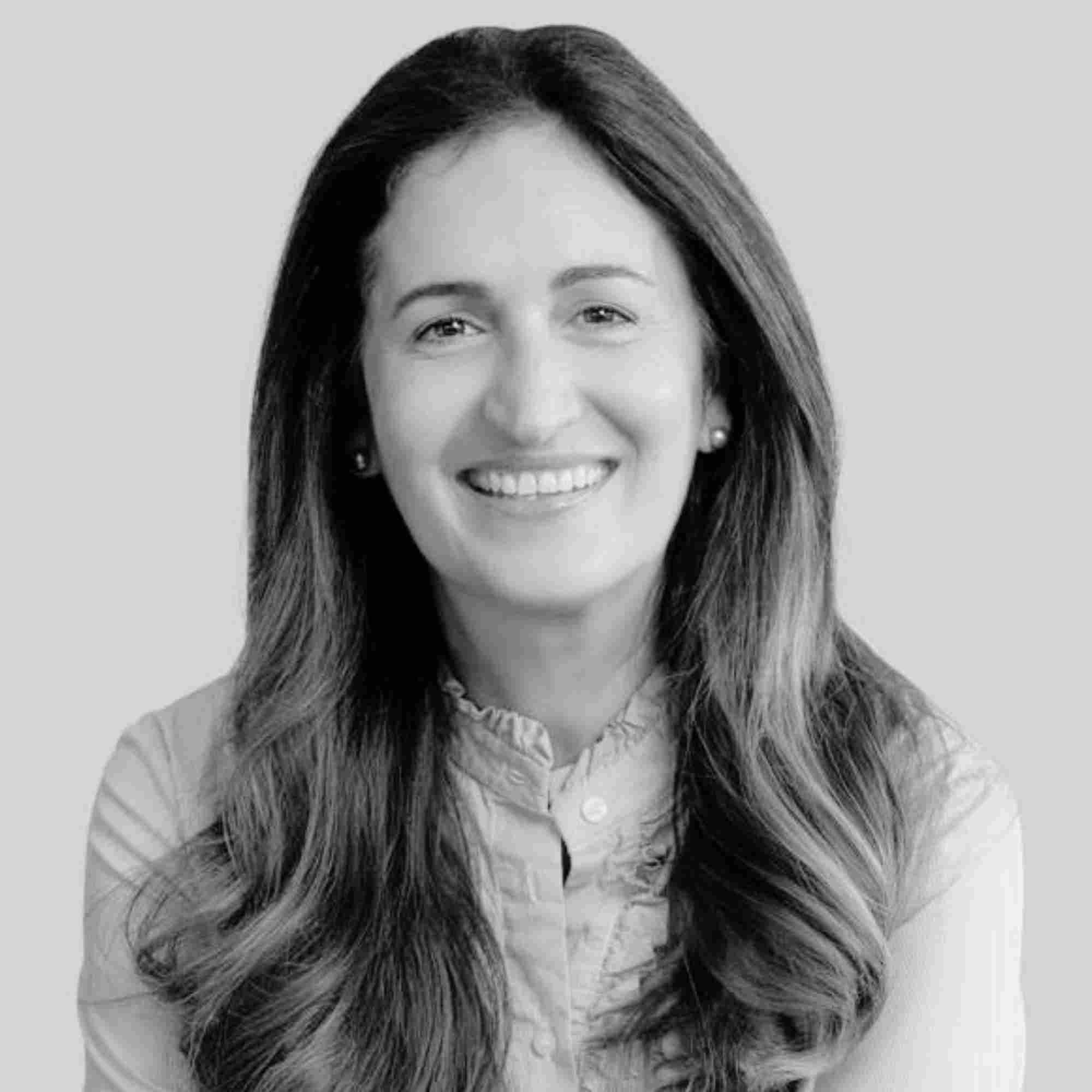 Dr. Athina KaniouraChief Executive Officer, Latin America Foods and Executive Vice President, Chief Strategy and Transformation Officer at PepsiCo.
-
 Alina TrabattoniInternational Journalist
 -
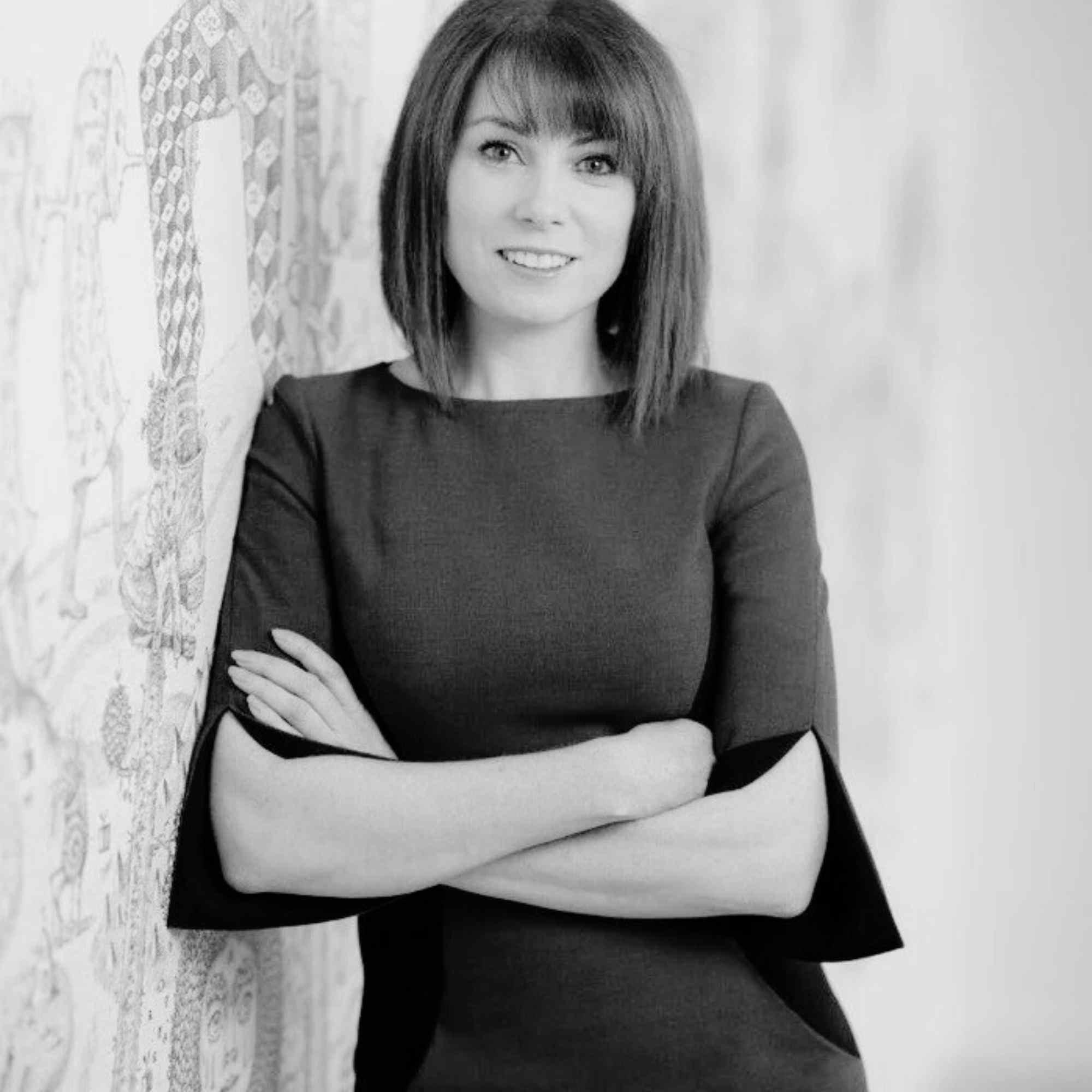 Sue DukeManaging Director EMEA & LATAM | VP, Global Public Policy, LinkedIN
 -
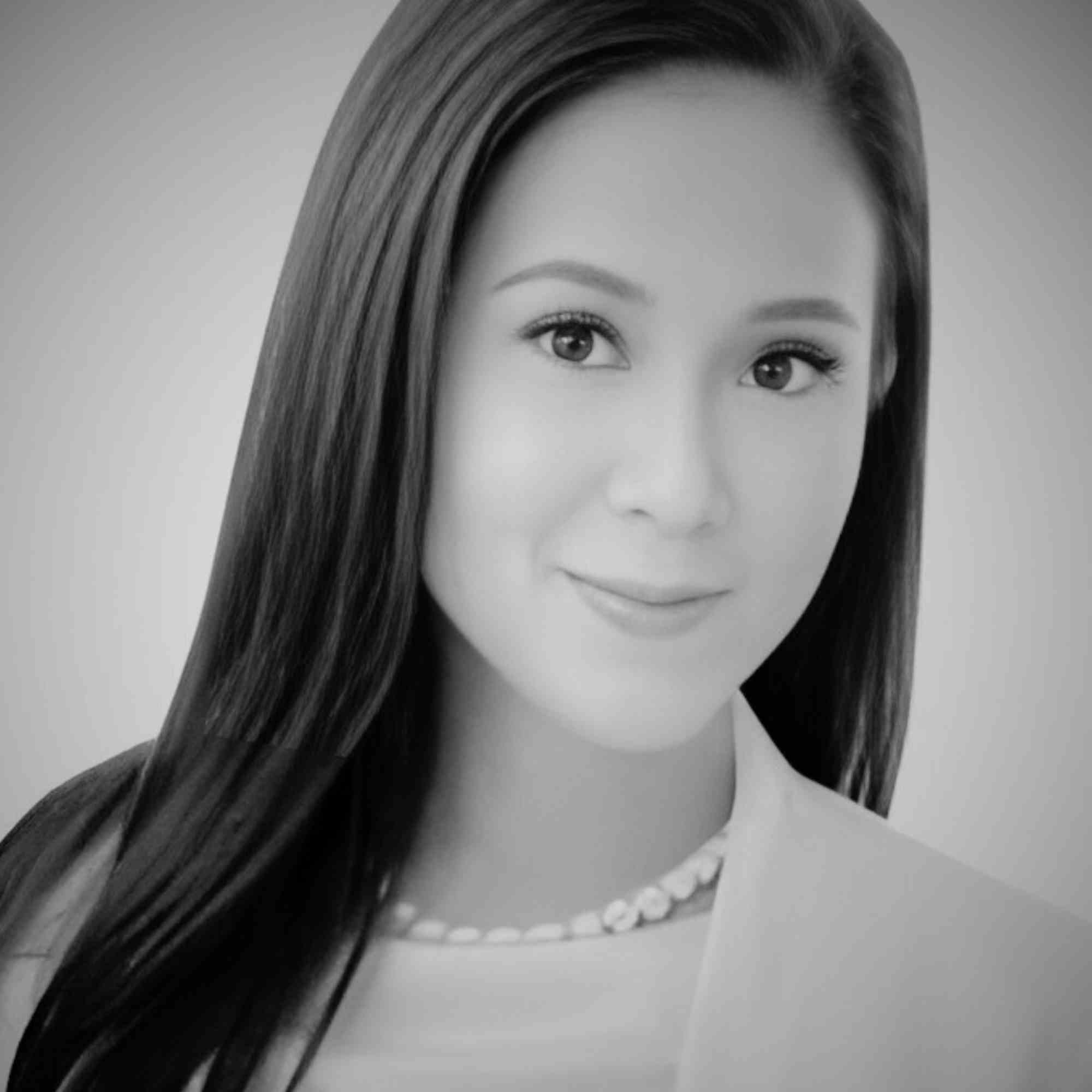 Jessica ChaijayaHead of Public Affairs at Tera Capital
 -
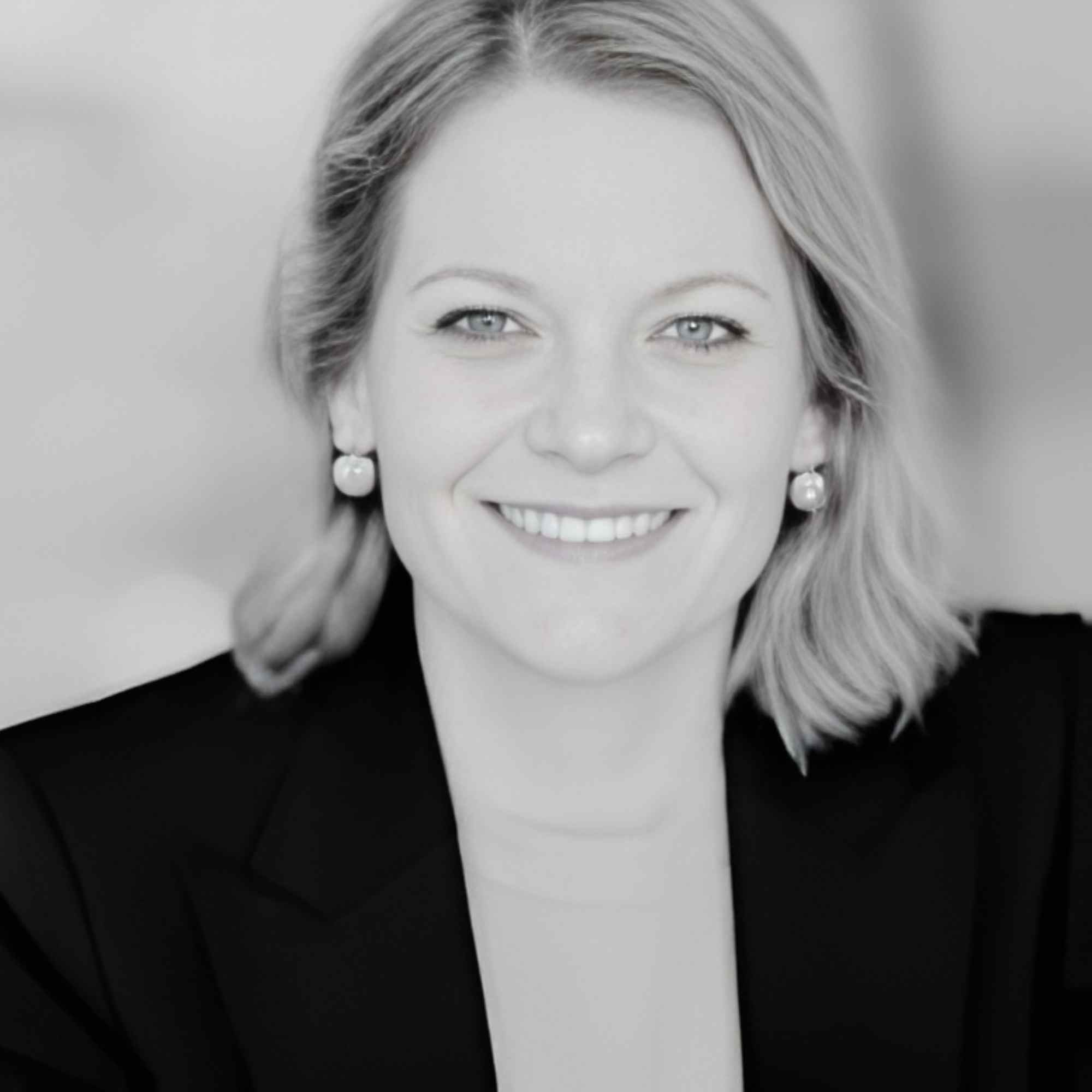 Yvonne RufSenior Partner, Roland Berger
This session examines how AI is transforming job landscapes, accelerating the creation of new professions and redefining existing ones—while simultaneously elevating the importance of uniquely human competencies that technology cannot replicate. Participants will explore the growing spectrum of AI-related roles across sectors, spanning governance, ethics, model training, product leadership, and human–AI collaboration, highlighting how skills often strongly represented in roles held by women remain essential.
-
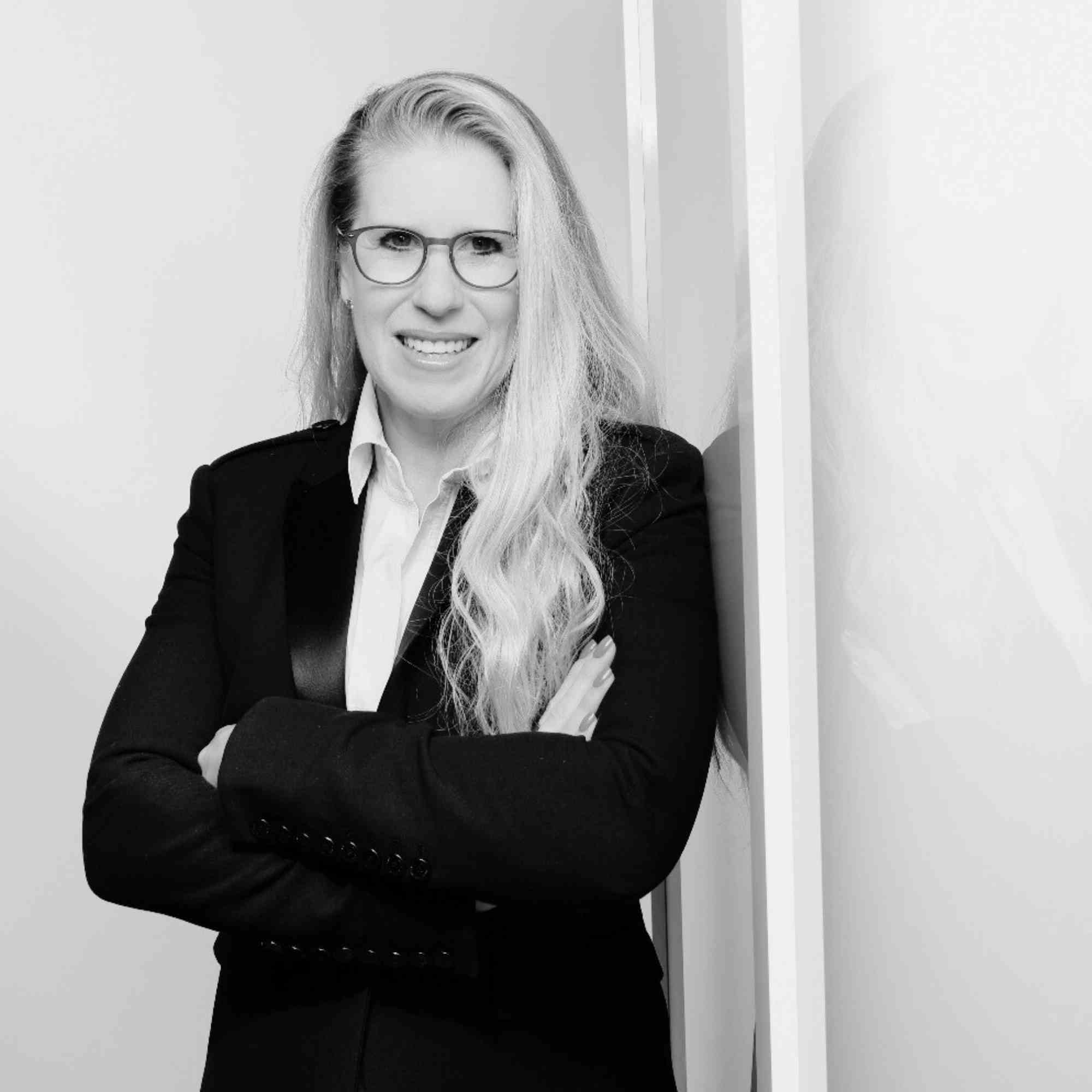 Christina GroegerPartner, Roland Berger (Moderator)
 -
Constanze SchweinsteigerSenior Partner, Roland Berger
-
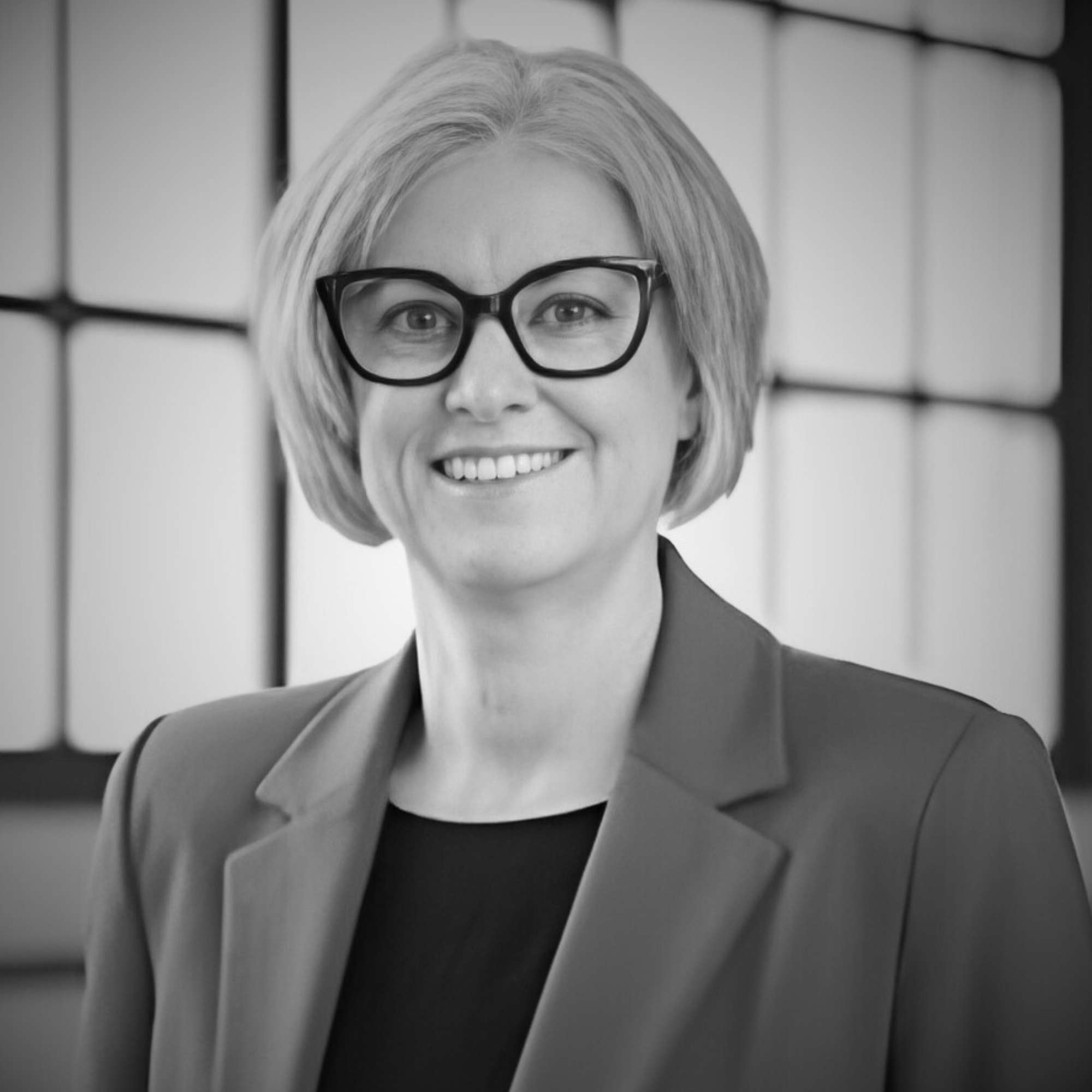 Sandra BabylonCTO, Cemba Bank
 -
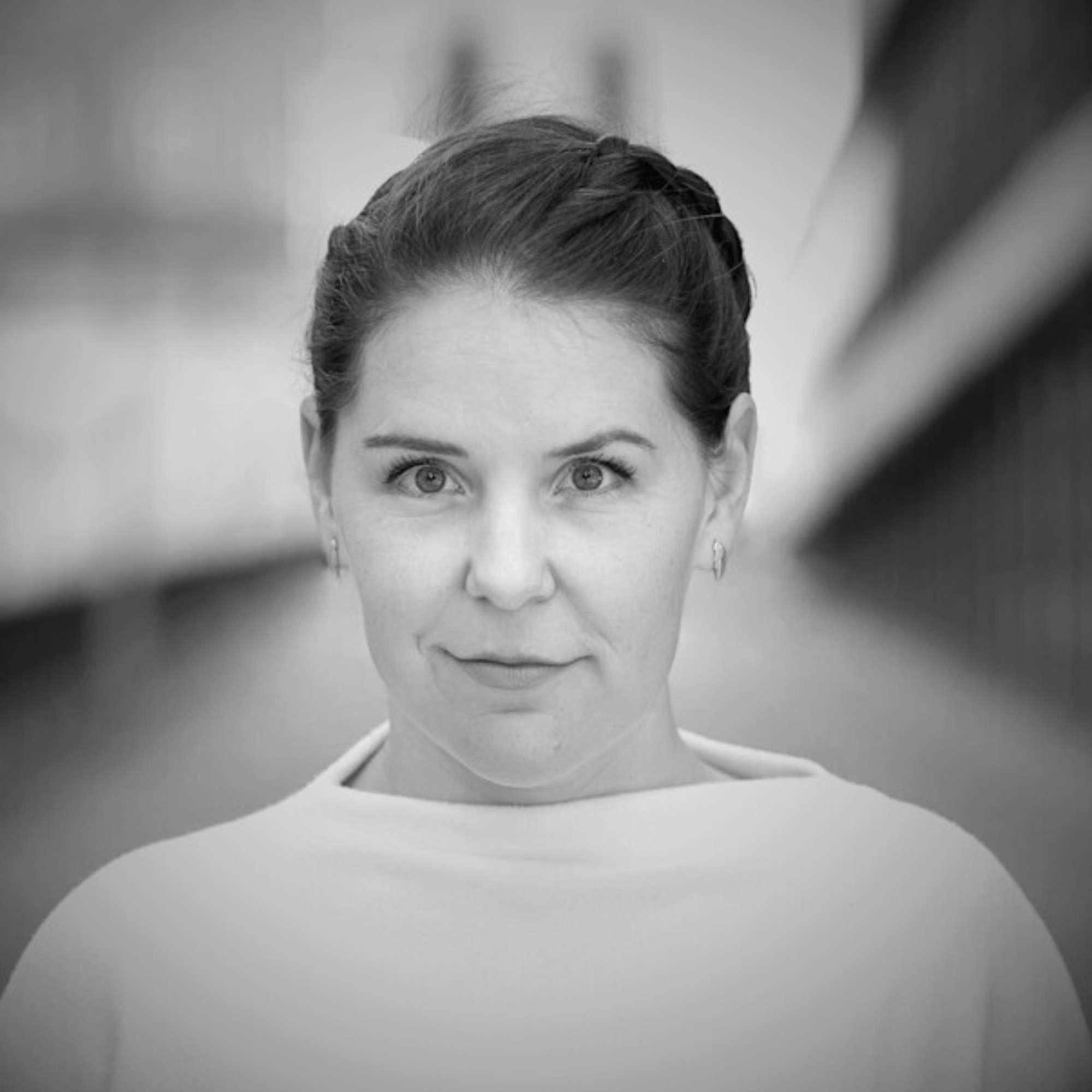 Anita KlingelHead of AI Science & Transformation at IPAI Foundation
-
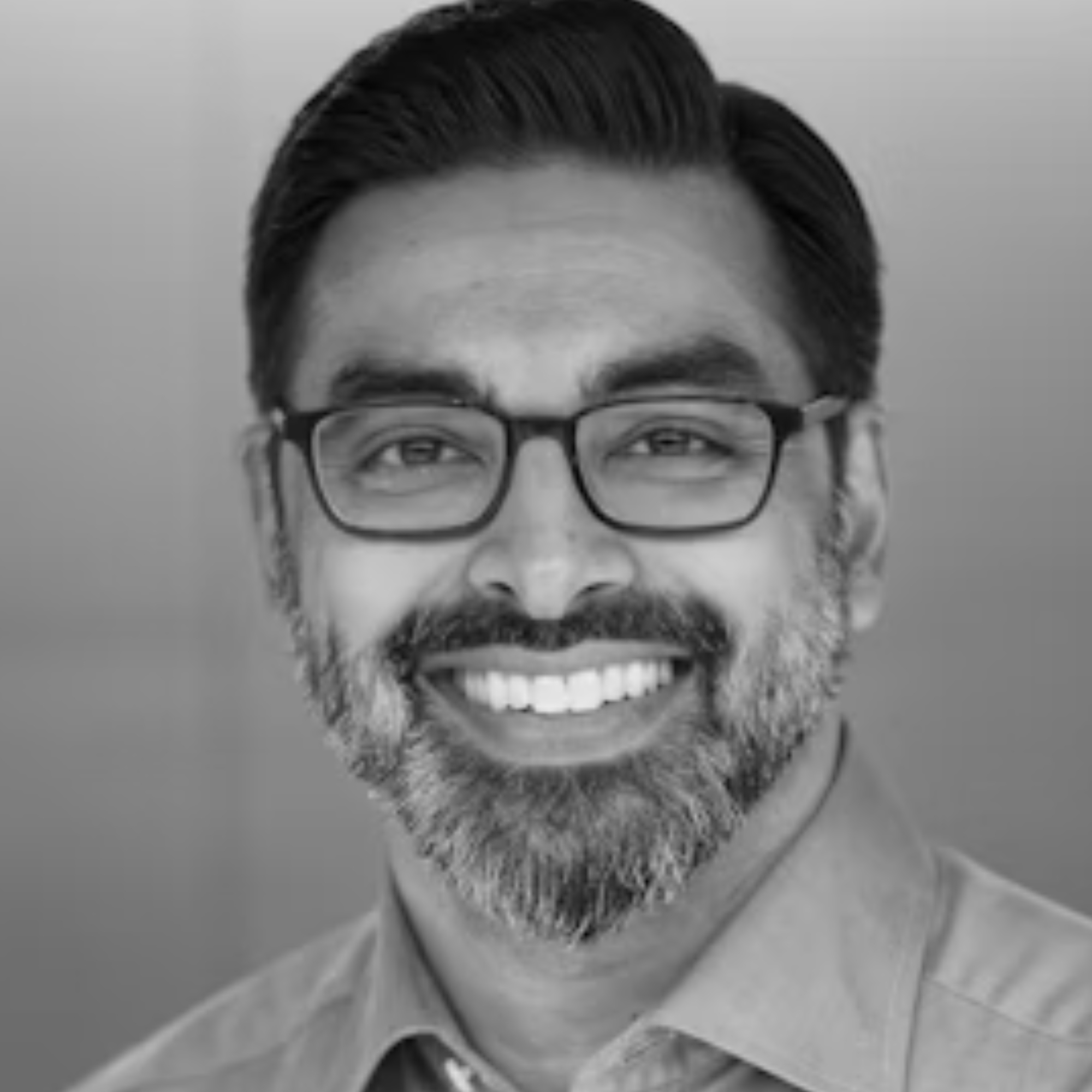 Anil SoniCEO, WHO Foundation
 -
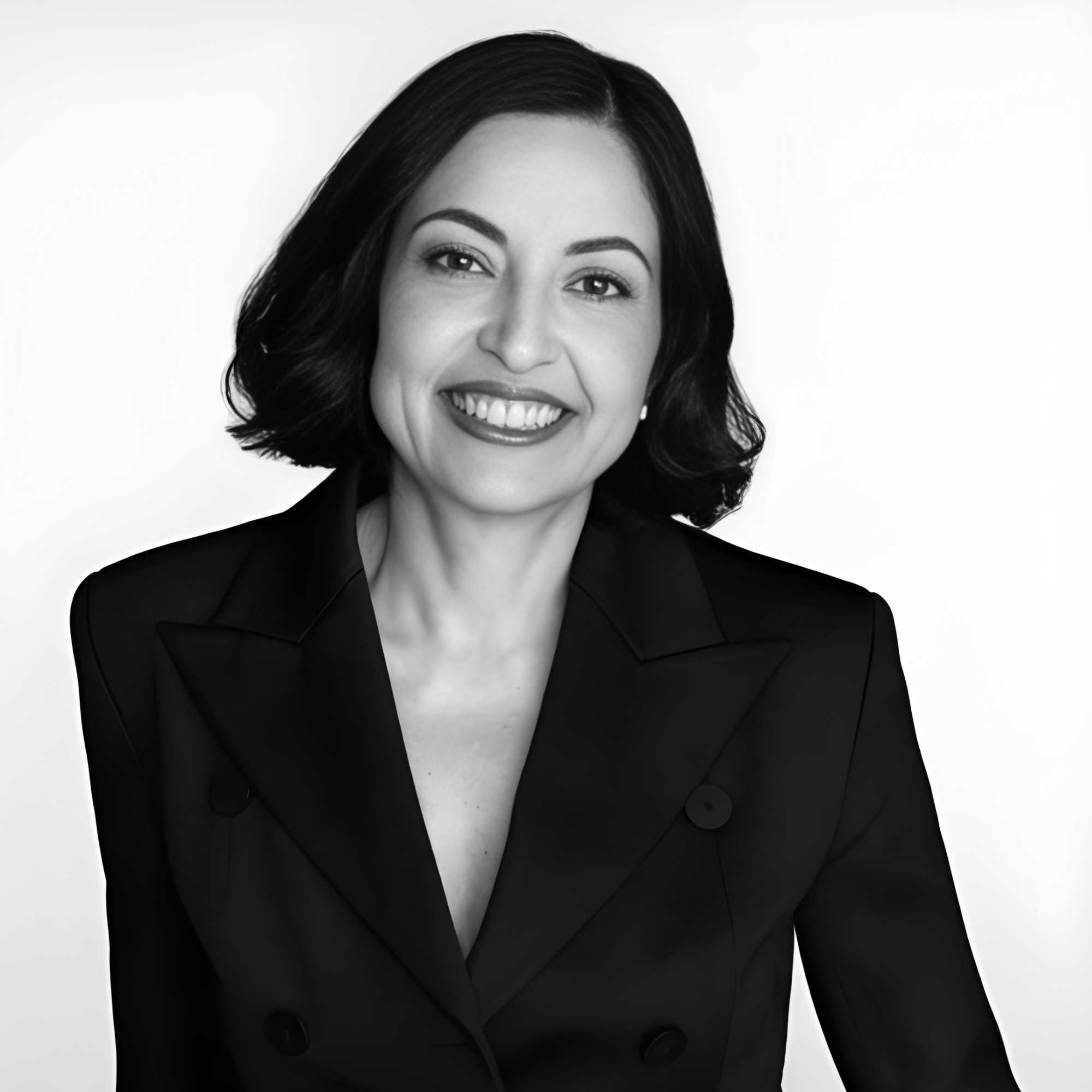 Blanca JutiChief Corporate Affairs & Engagement Officer, Exec Committee, L’Oréal
 -
Françoise CardosoCSR & Sustainability Executive Director, Executive Committee member, L-Acoustics
-
Katarzyna GawełForbes Women Podcast
-
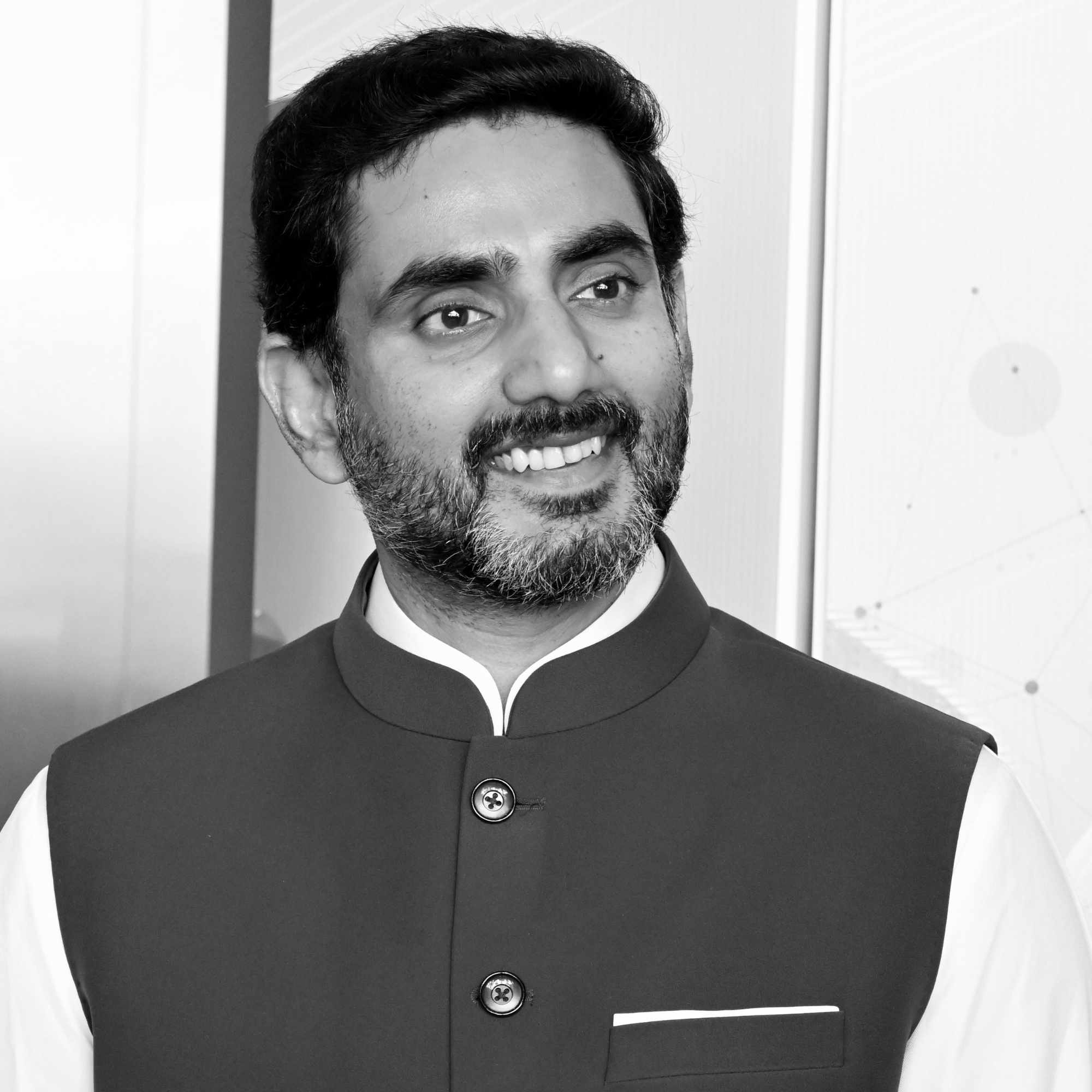 Nara LokeshMinister for Information Technology, Electronics & Communications; Real Time Governance and Human Resources Development, Government of Andhra Pradesh
 -
Alina TrabattoniInternational Journalist
-
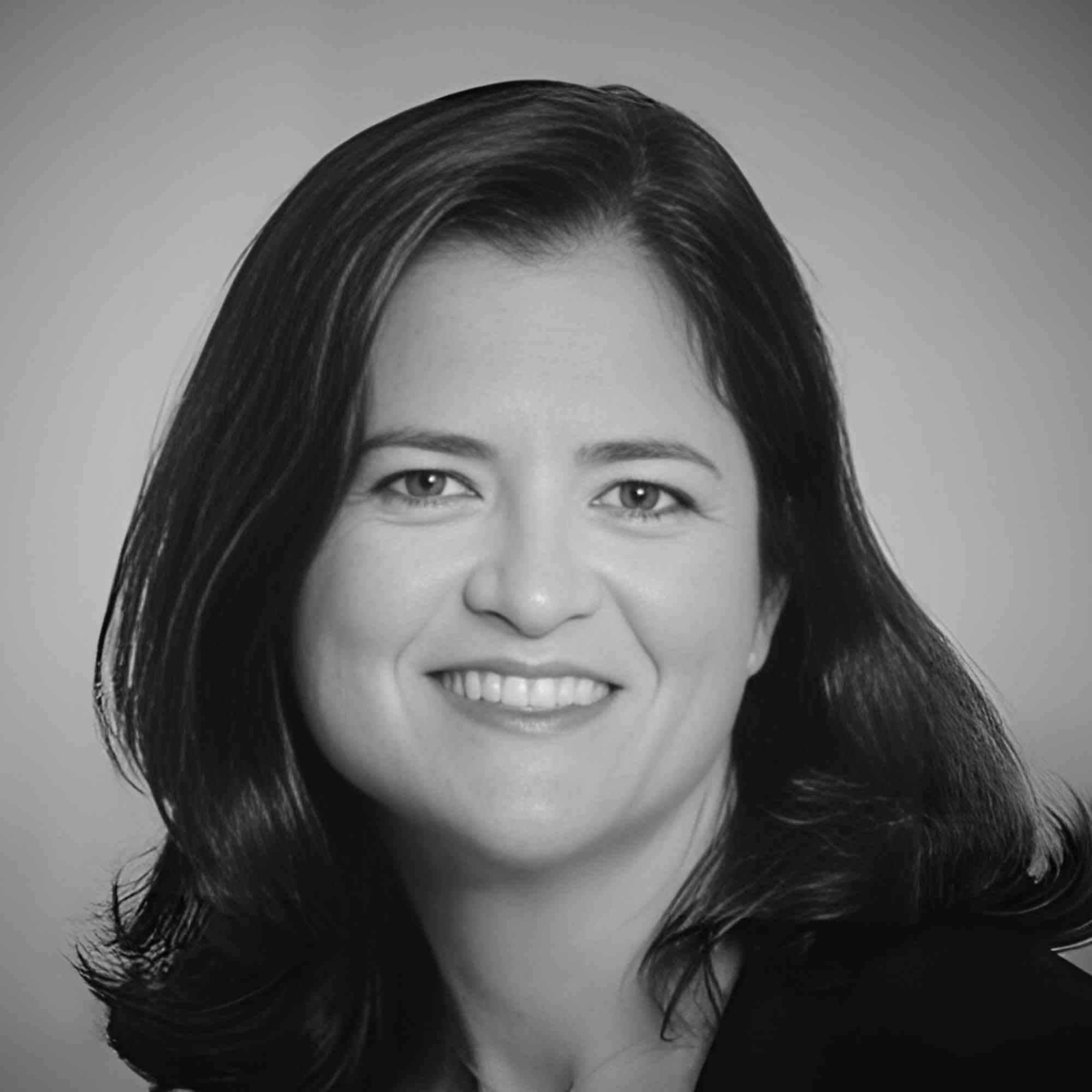 Margot McShaneManaging Director, Russell Reynolds Associates
 -
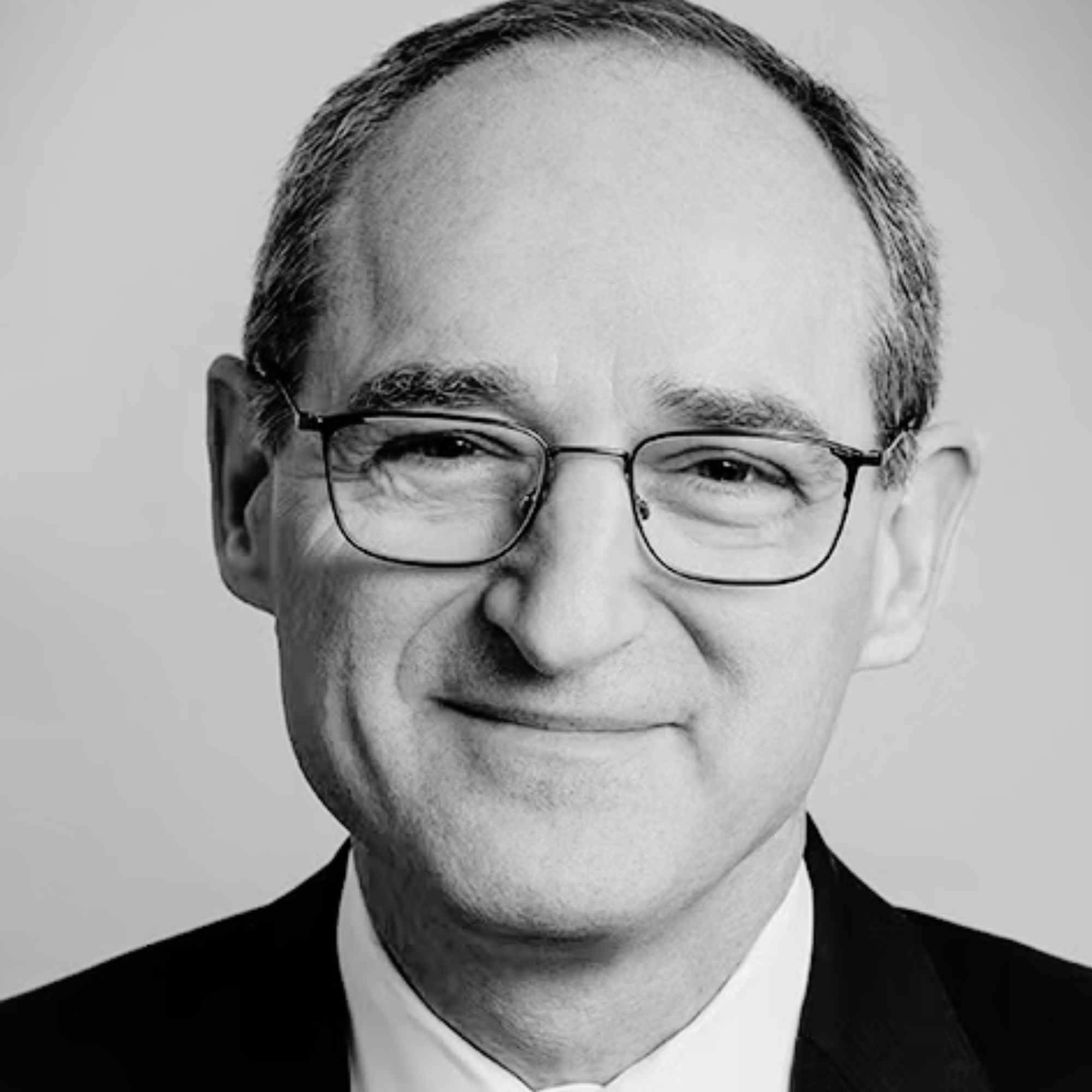 Patrice LouvetCEO, Ralph Lauren
 -
Hetty PyeManaging Director & Co-founder, RRA Artemis, Russell Reynolds Associates
-
 Jonathan PriceCEO of Teck
-
Constanze SchweinsteigerSupervisory Board Member, Senior Partner
-
Beate RosenthalPartner
-
Dr. Edeltraud LeibrockGlobal Managing Director
-
 Maria MikhaylenkoGlobal Managing Director
-
 Dr.Michelle TempestAuthor: Big Brain Revolution ( Moderator)
 -
 Anu JainEntrepreneur & Women’s Health Advocate
 -
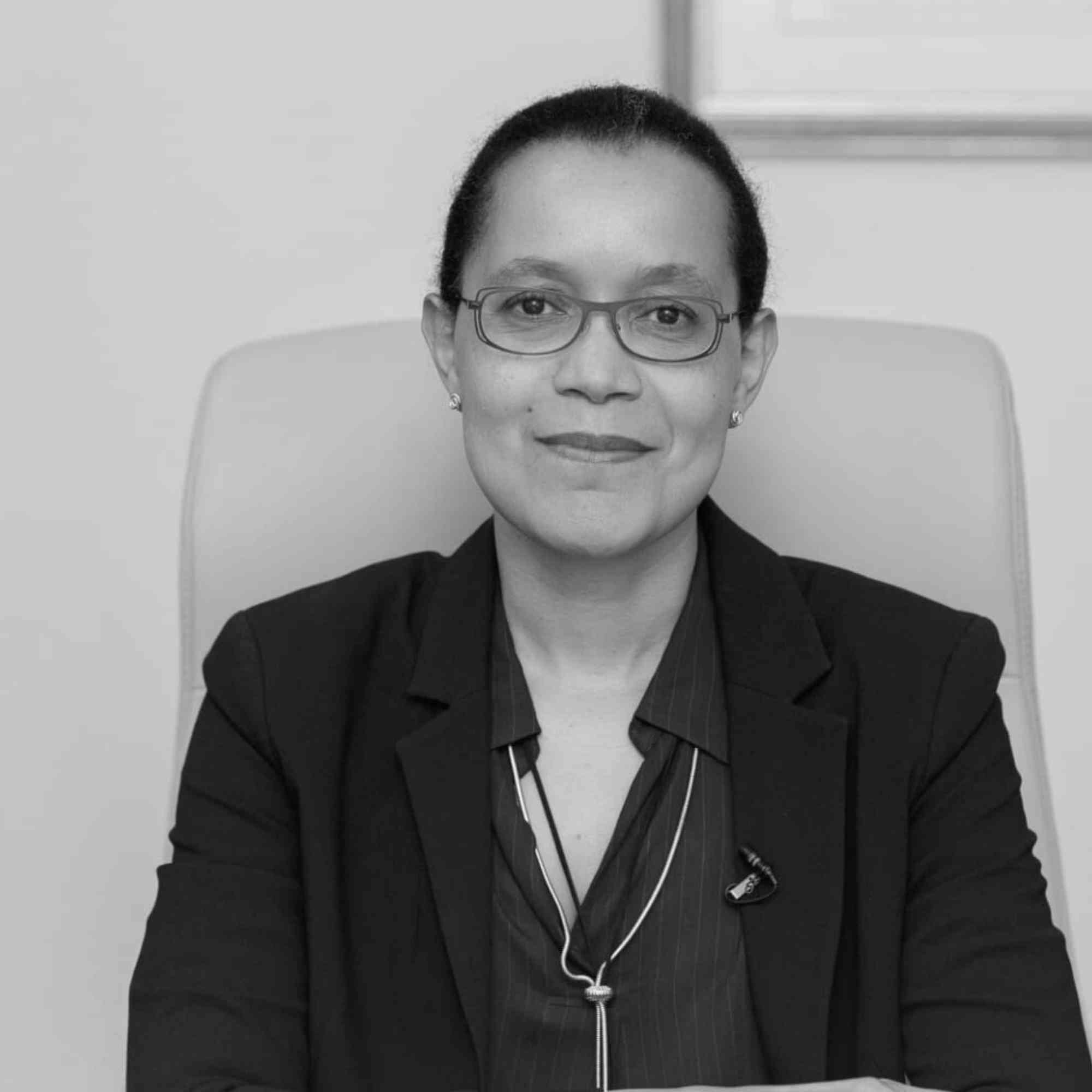 Hon.minister Prof. Raïssa MaluMinistry of National Education and New Citizenship of the Democratic Republic of Congo
-
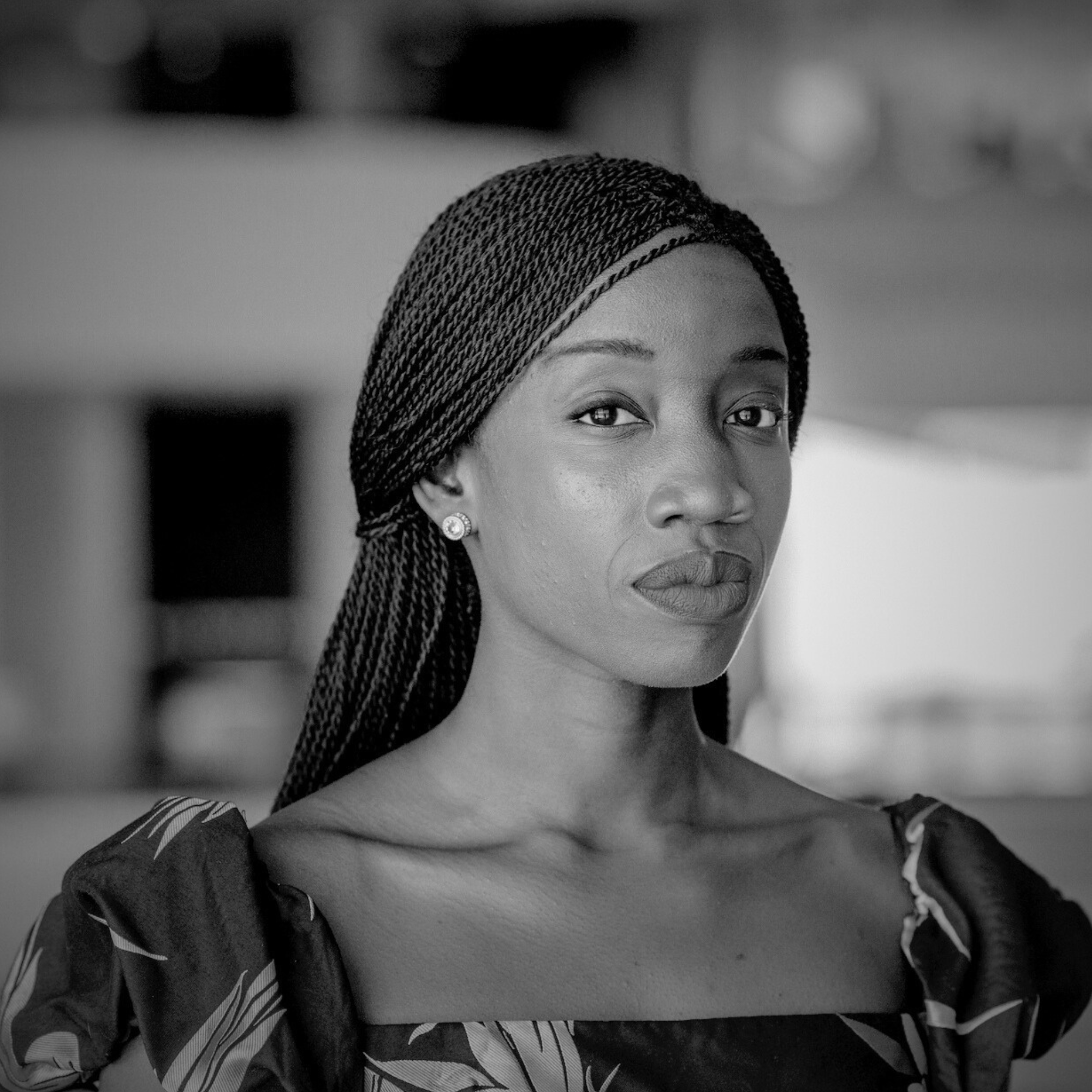 Professor Sally A. NuamahProfessor of Political Science, Human Development and Social Policy at Northwestern University, ( Moderator)
 -
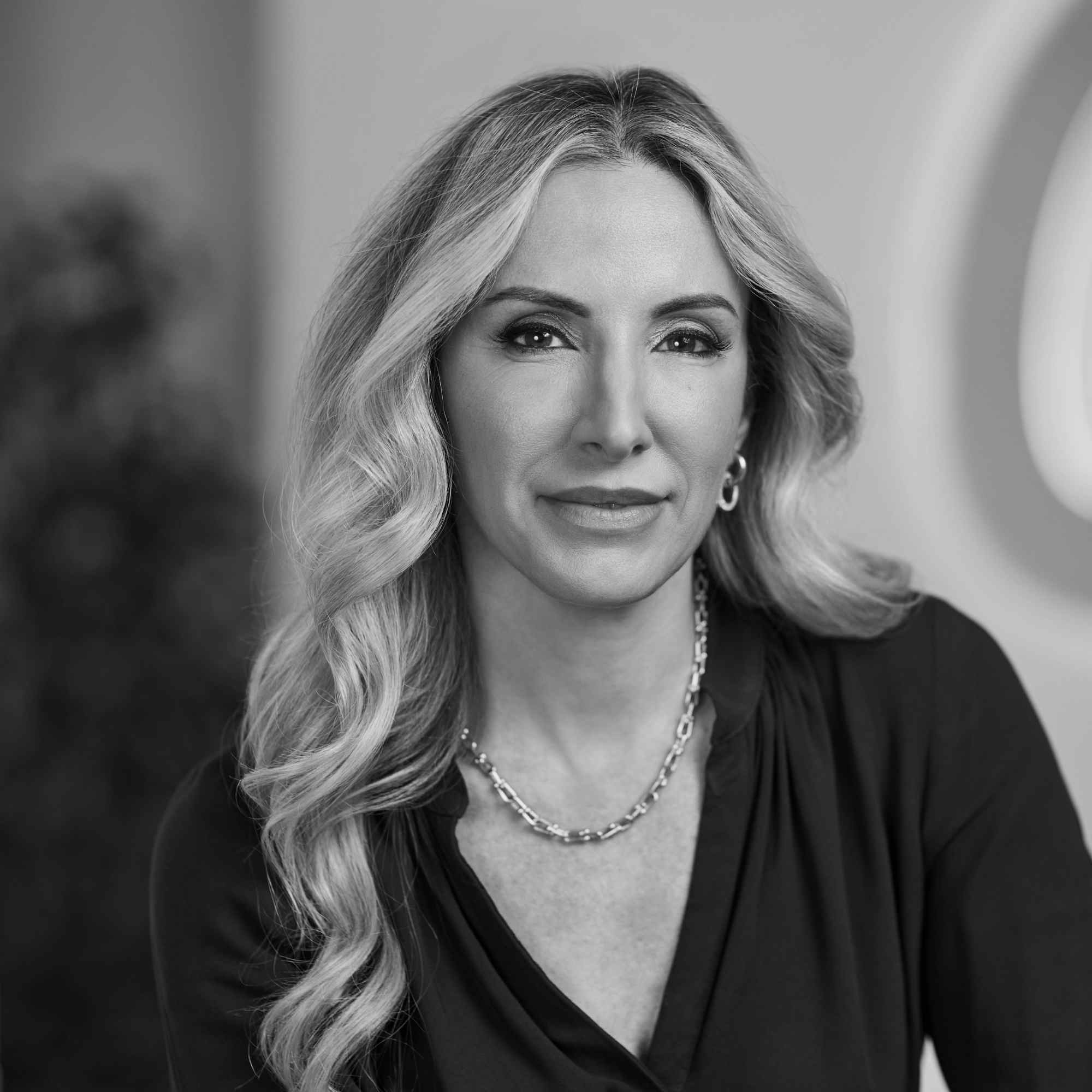 Derya MatrasVice President, EMEA Meta
 -
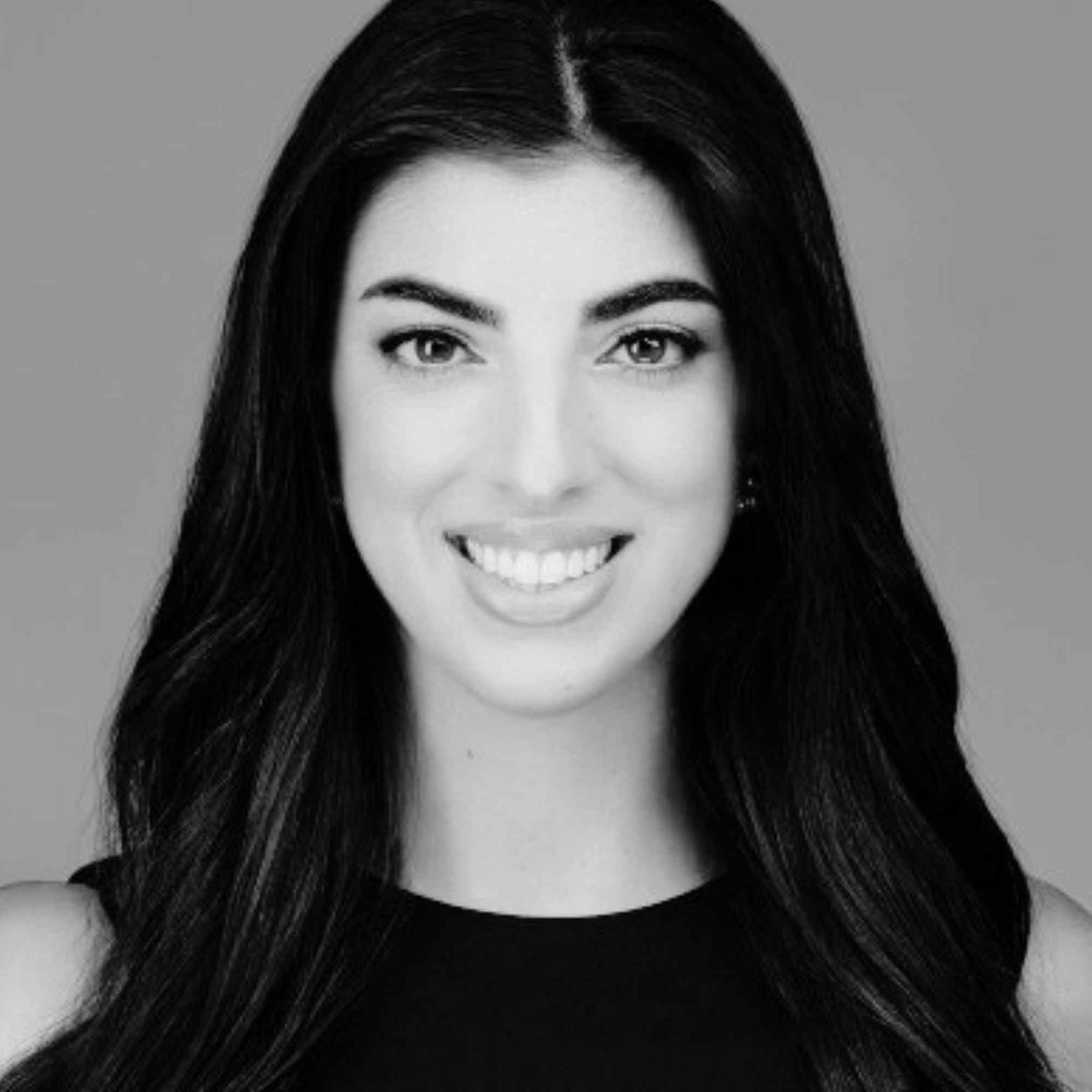 Caitlin SarianFounder and Executive Director, Cybersecurity Girl
 -
 Haley LicksteinPolitical and Lifestyle Influencer, Activist, Public speaker
 -
 Nabila AbuljadayelSaudi artist and award-winning director, producer, and photographer
 -
 Masoom Minawala Mehta, fashion entrepreneur, influencer, and investor
-
Alina TrabattoniInternational Journalist ( Moderator)
-
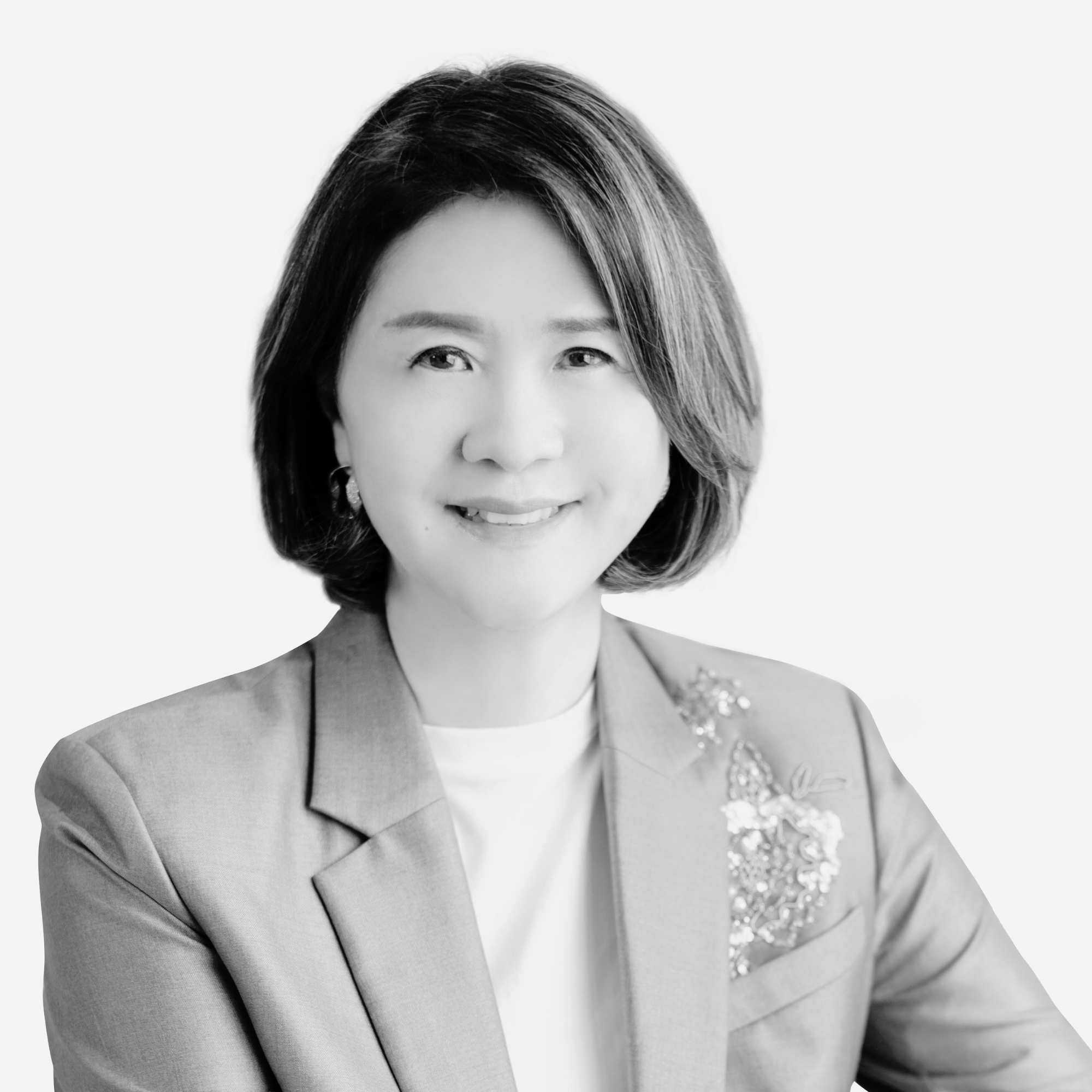 Amy Lo, ChairmanChairman, UBS Global Wealth Management Asia,Head and Chief Executive, UBS Hong Kong
 -
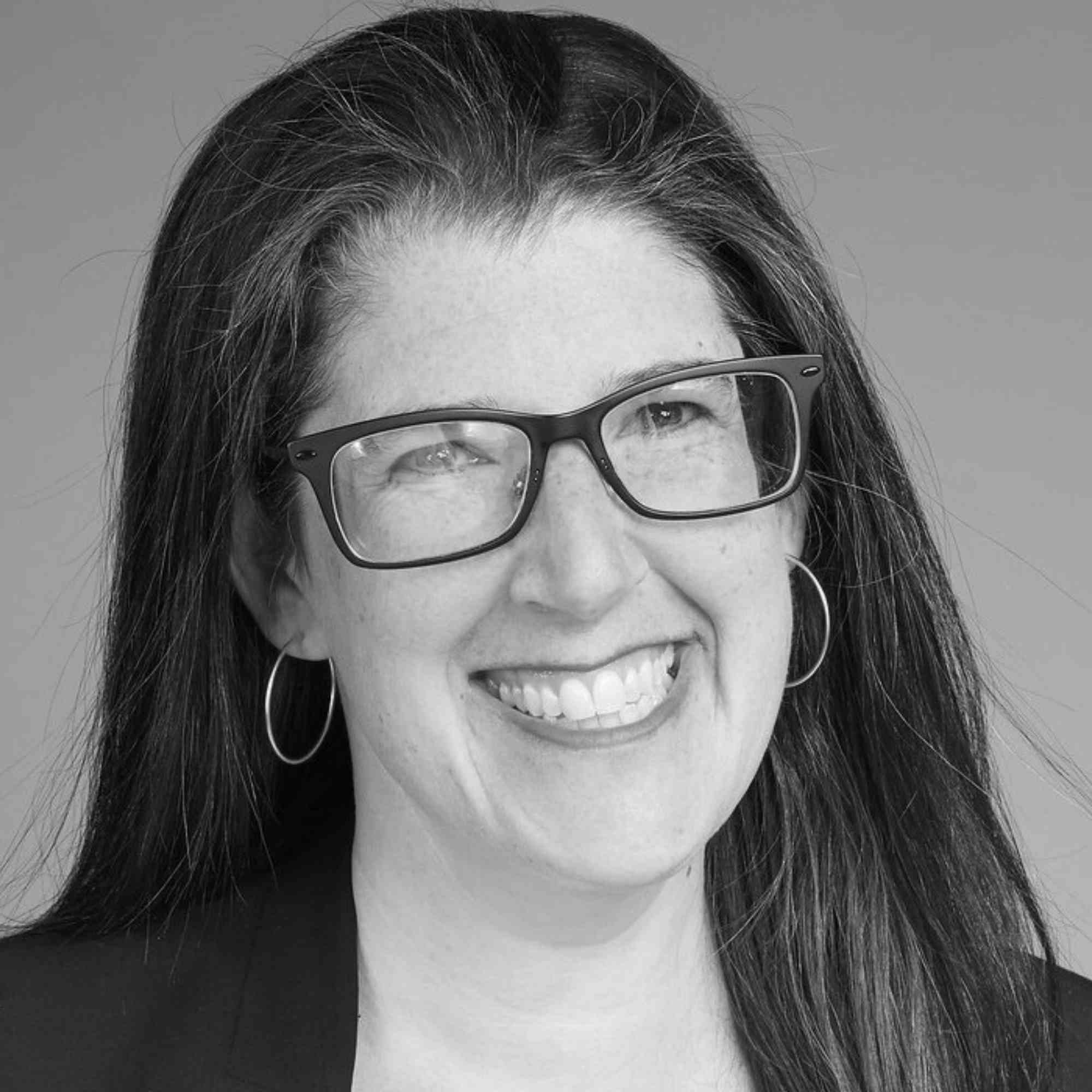 Dr. Nicole GoldinNonresident Senior Fellow, Atlantic Council’s GeoEconomics Center
 -
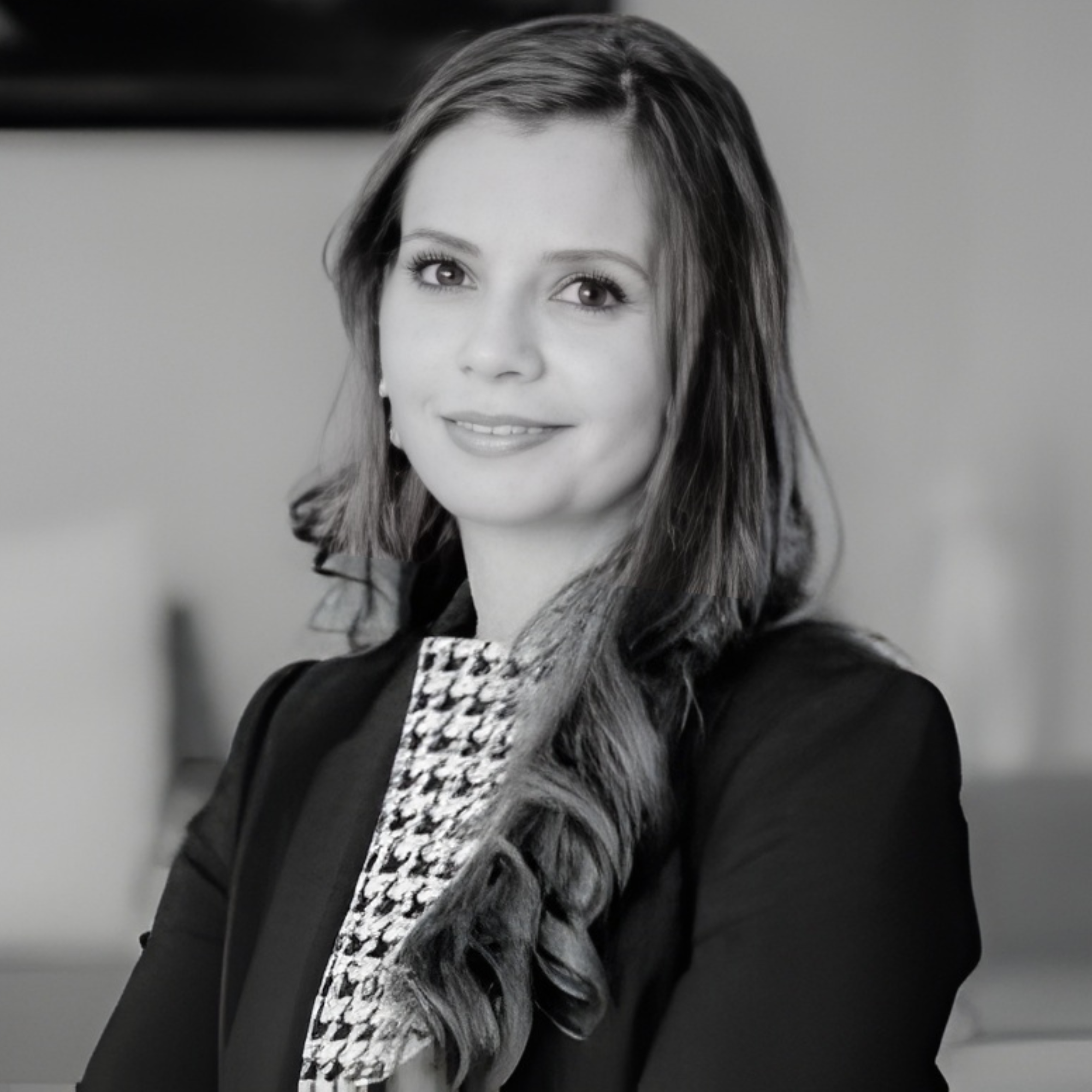 Priti Rathi GuptaFounder- LXME, Co-Promoter– Anand Rathi Group
This session examines how the global energy transition is being reshaped by massive data demand. As AI, cloud computing, and digital ecosystems expand rapidly, the world faces the dual challenge of meeting rising electricity needs while pursuing decarbonization. Energy leaders, technologists, and policymakers will explore innovations—advanced nuclear, grid-scale storage, and more—needed to align global digital growth with climate commitments and build a resilient, sustainable energy future.
-
Whitney BairdPresident & CEO, United States Council for International Business
-
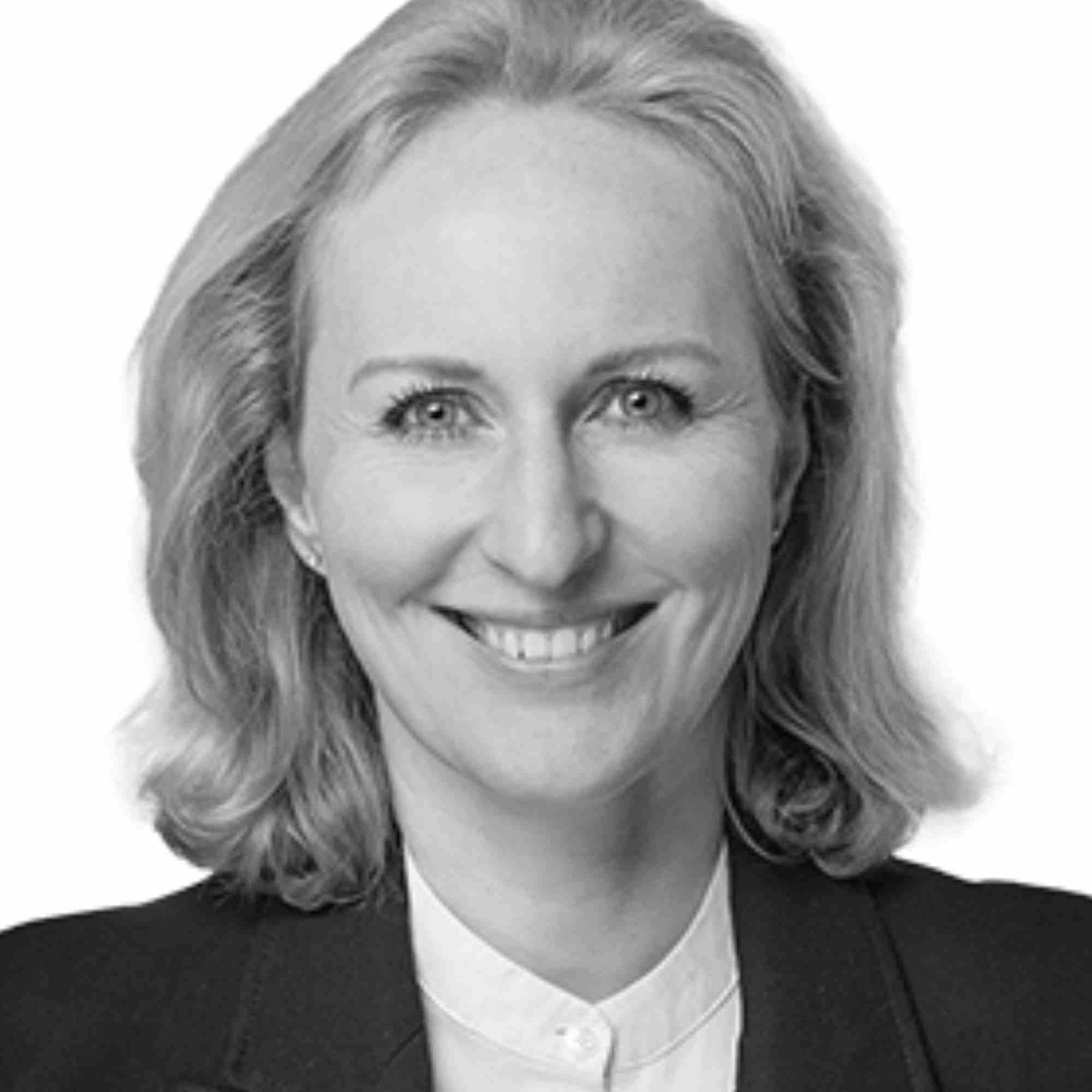 Dr. Viktoria DanzerSenior Partner, Global Co-Head Financial Services, Roland Berger
 -
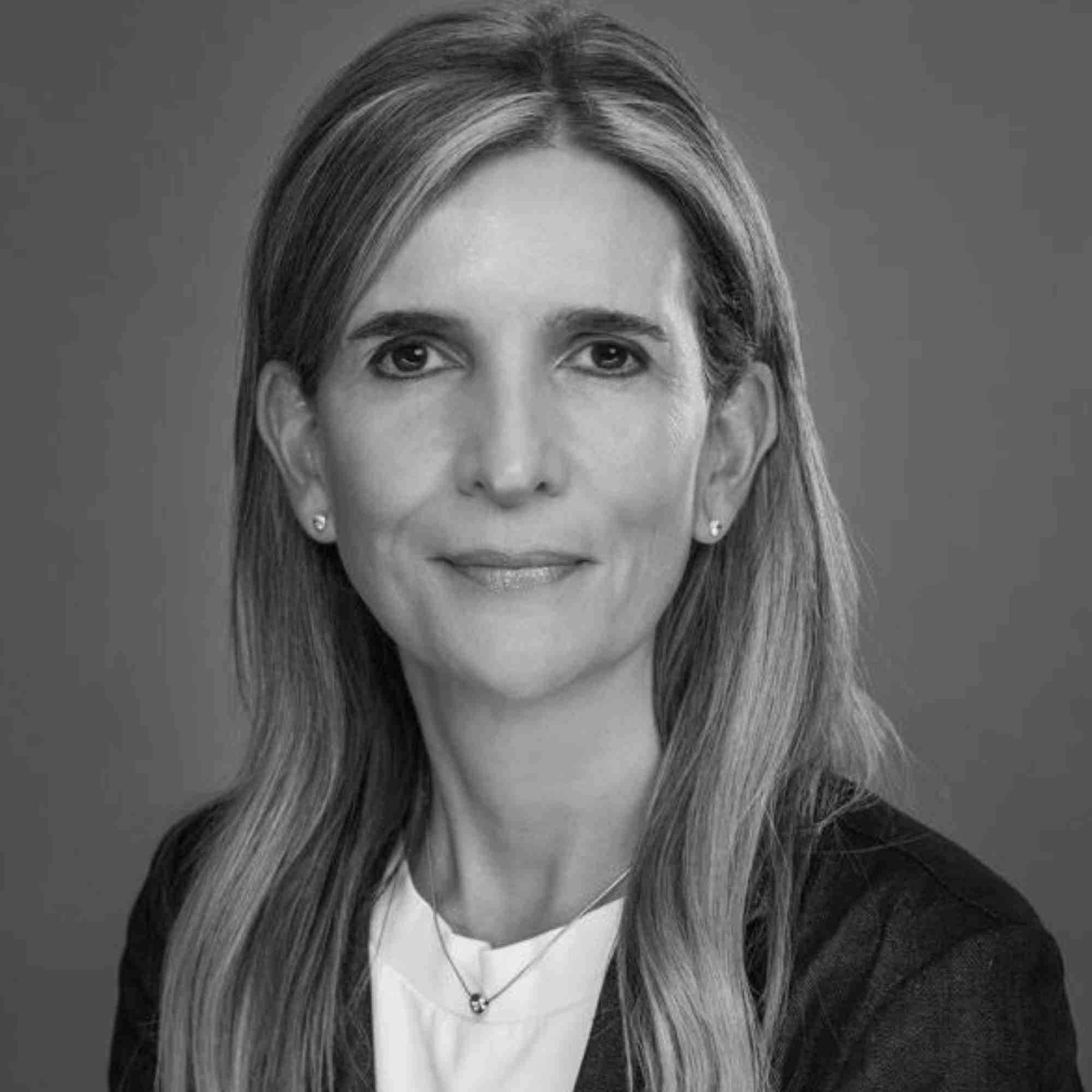 Catalina Garcia GomezGlobal Director of Corporate Affairs, Anheuser-Busch InBev
 -
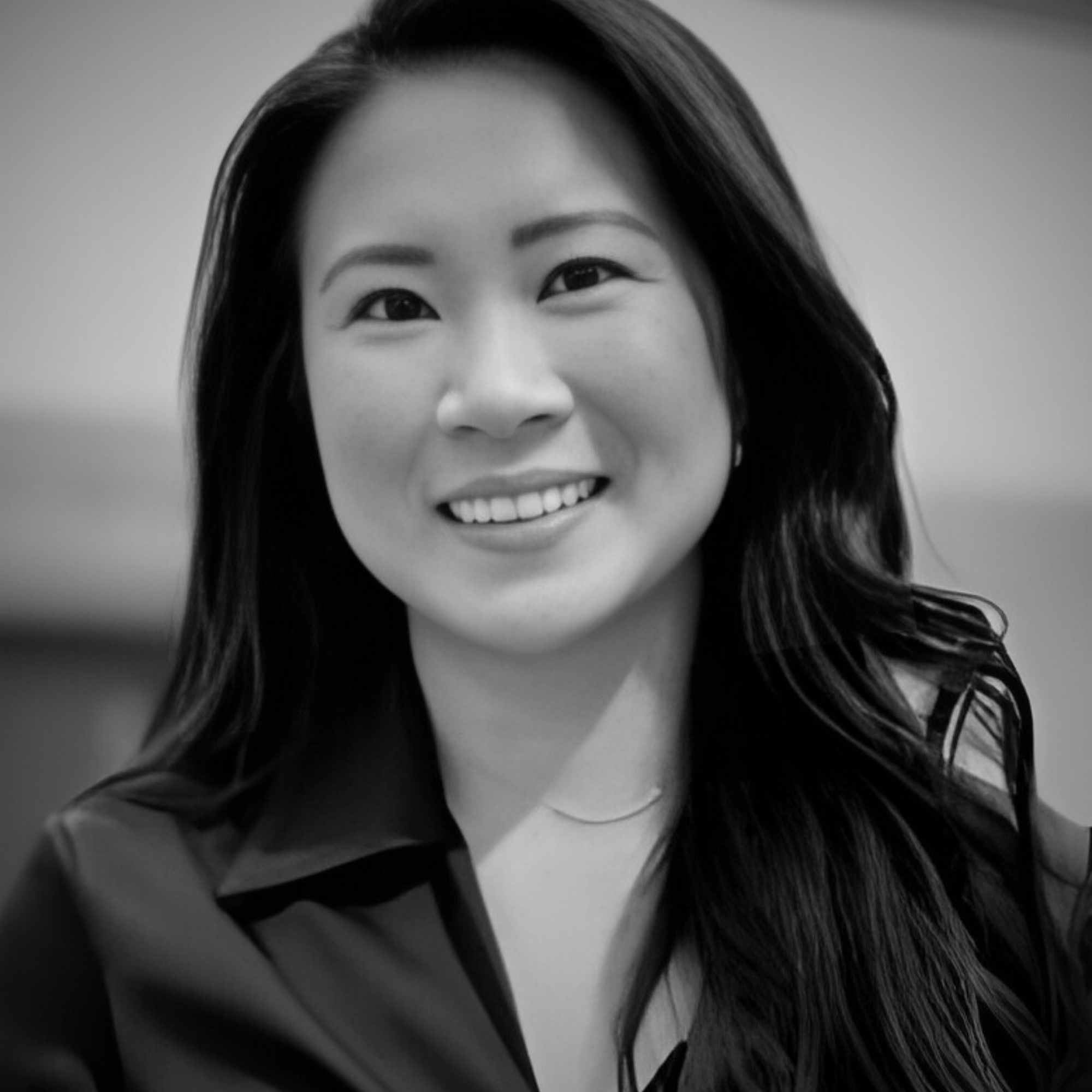 Victoria DinSenior Vice President, U.S. Public Sector, Mastercard
 -
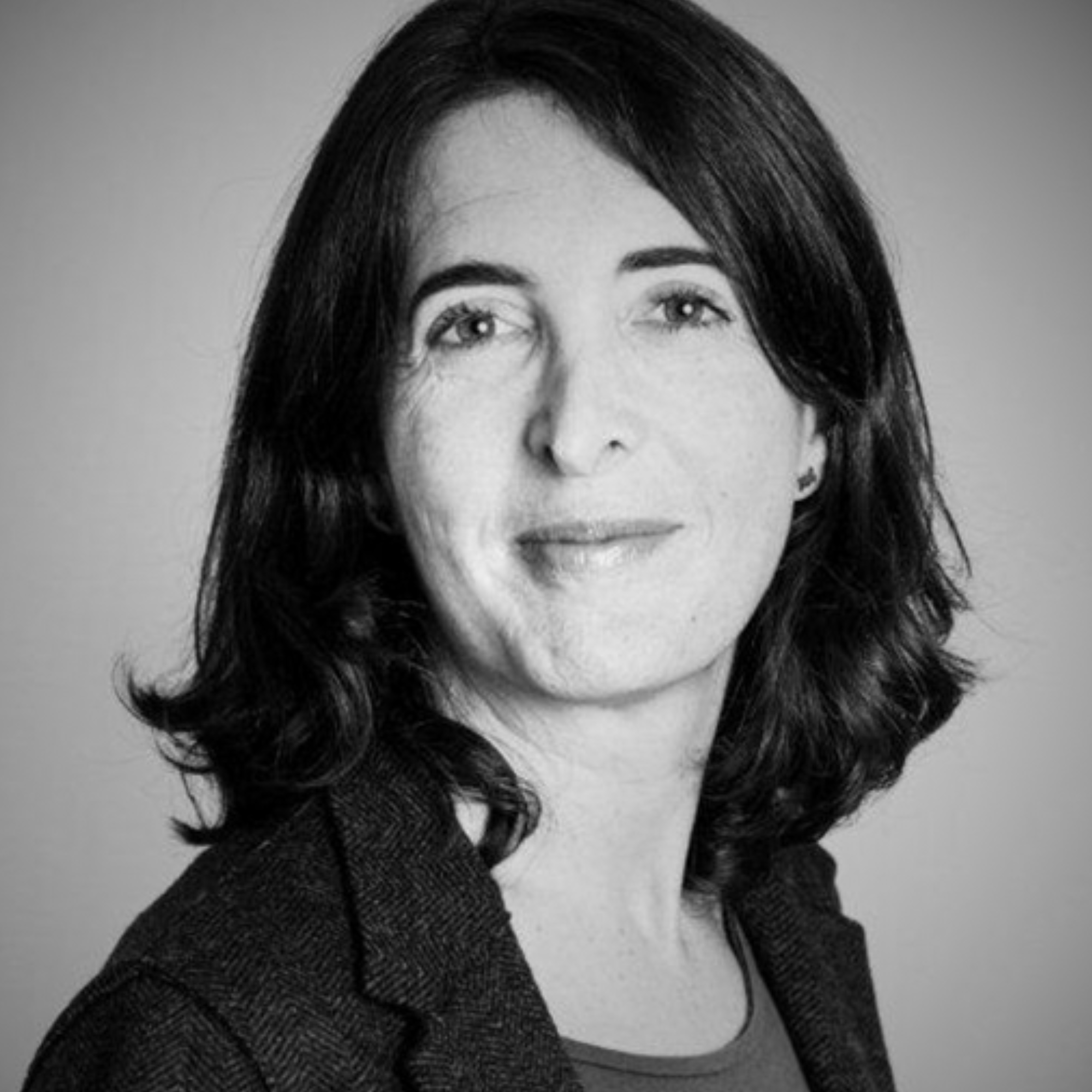 Claire AlexandreHead of International Government Relations, PayPal
,
-
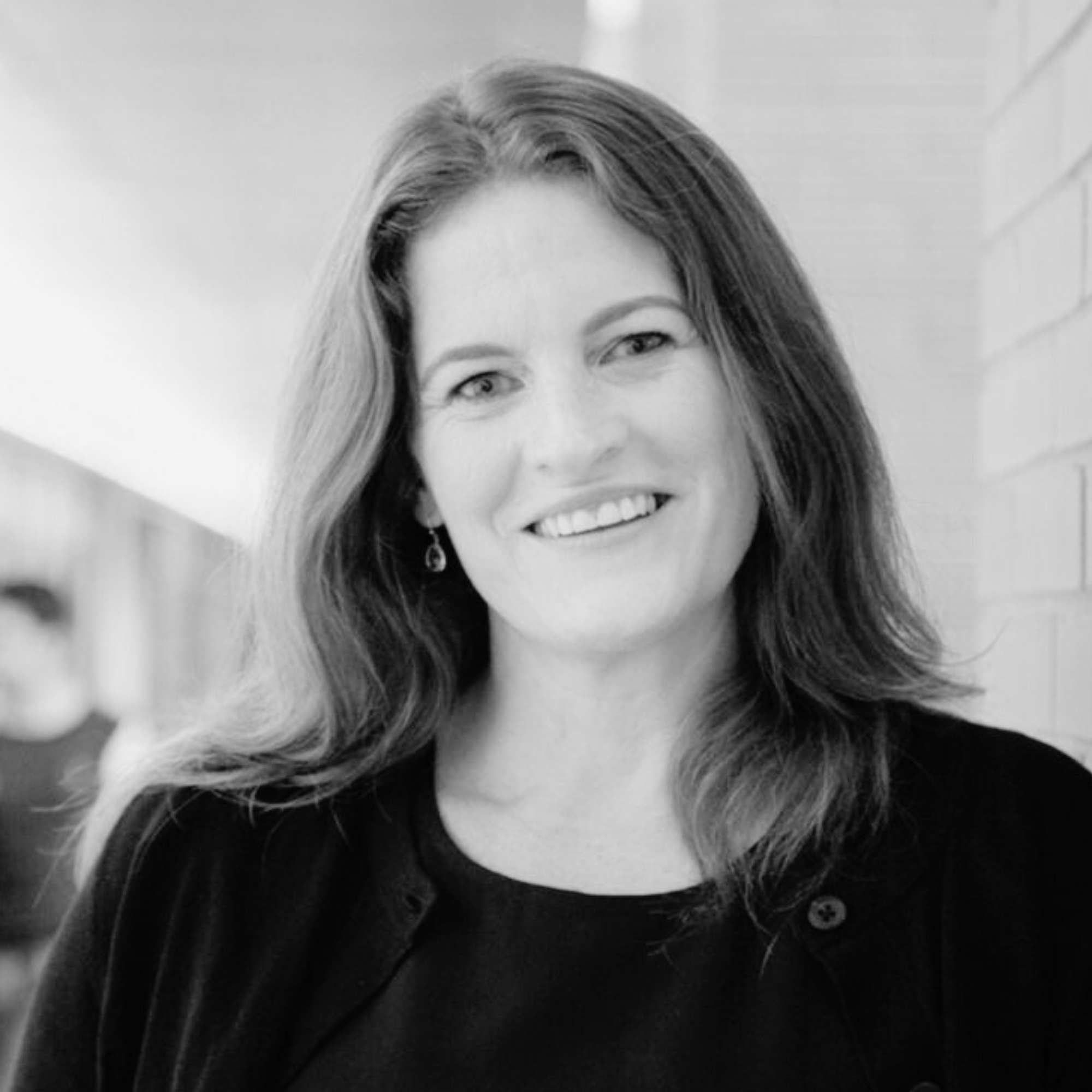 Sarah TomsChief Innovation Officer and Executive Committee member IMD
 -
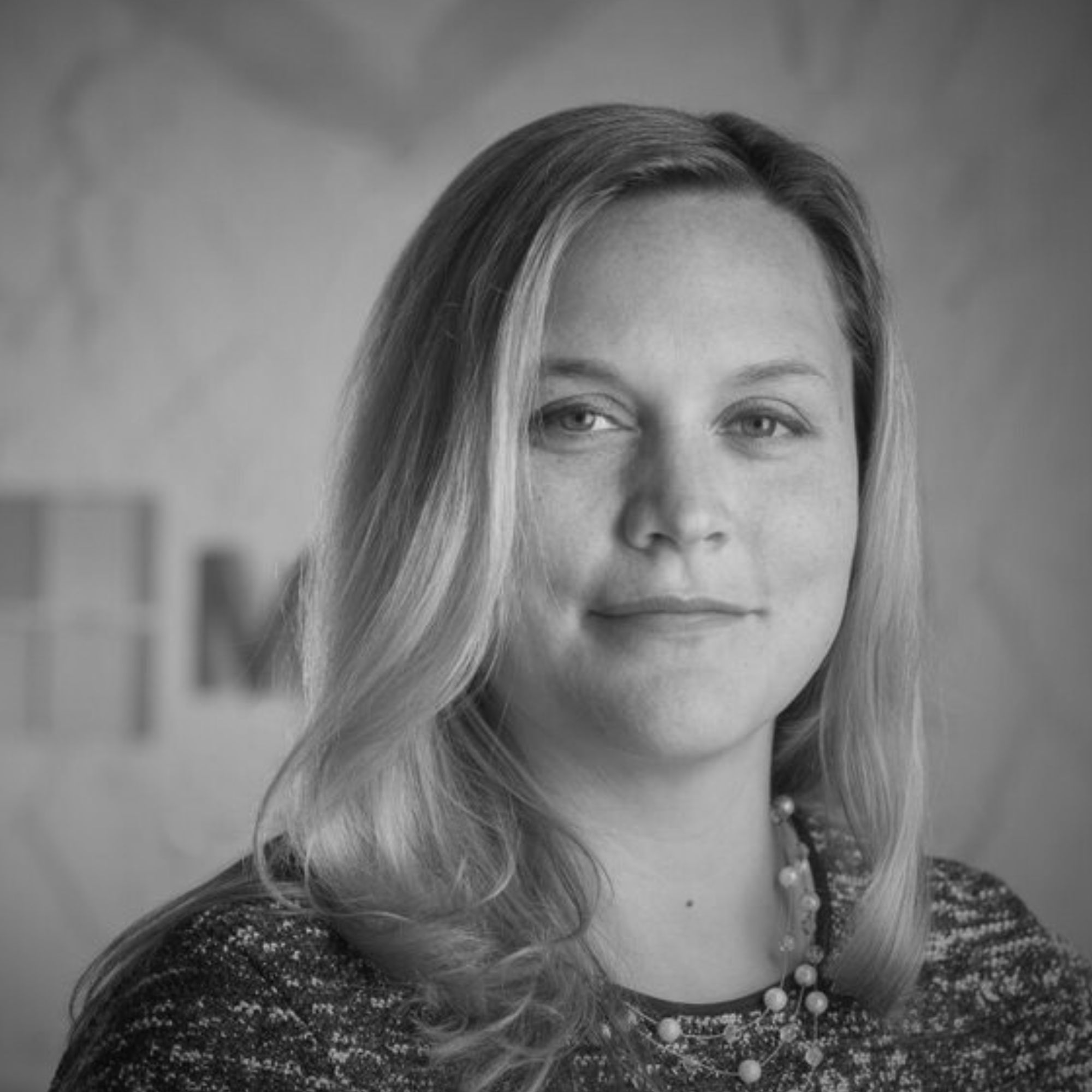 Ginny BadenasGM for Tech and Society at Microsoft
 -
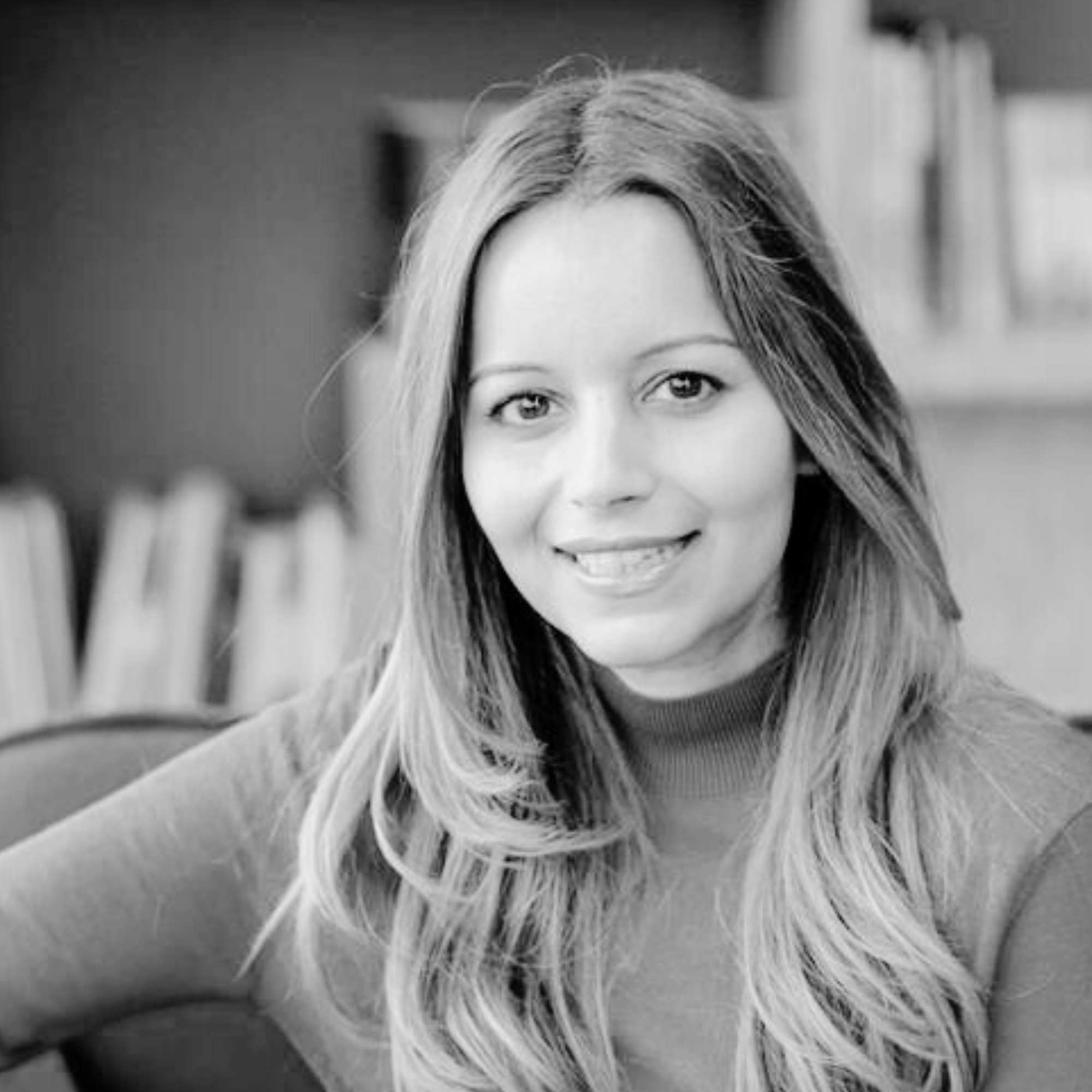 Zehra ChatooFounder Code For Good Now and Non-Exec Director UN Women
 -
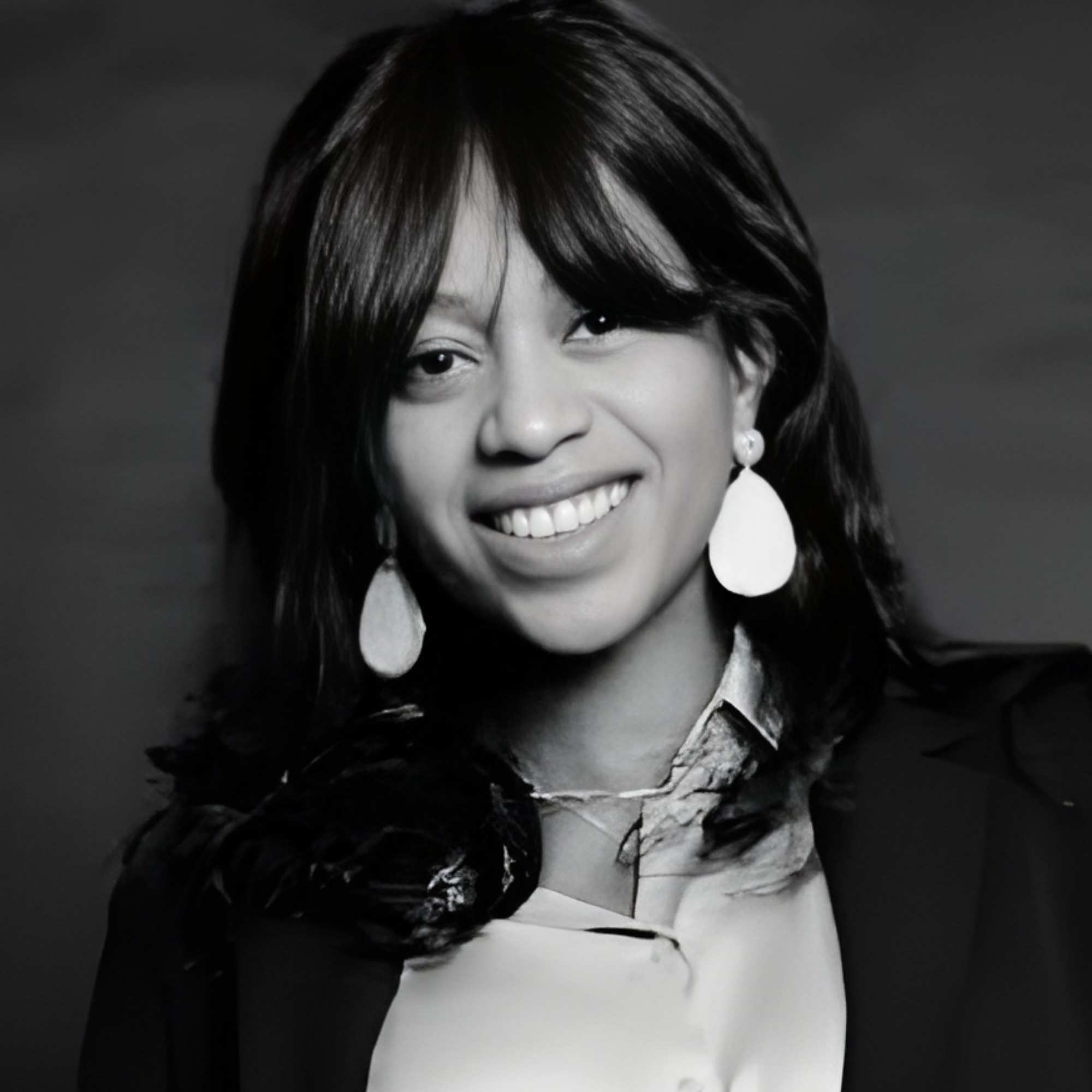 Hilda LiswaniFounder and CEO WeBloom
-
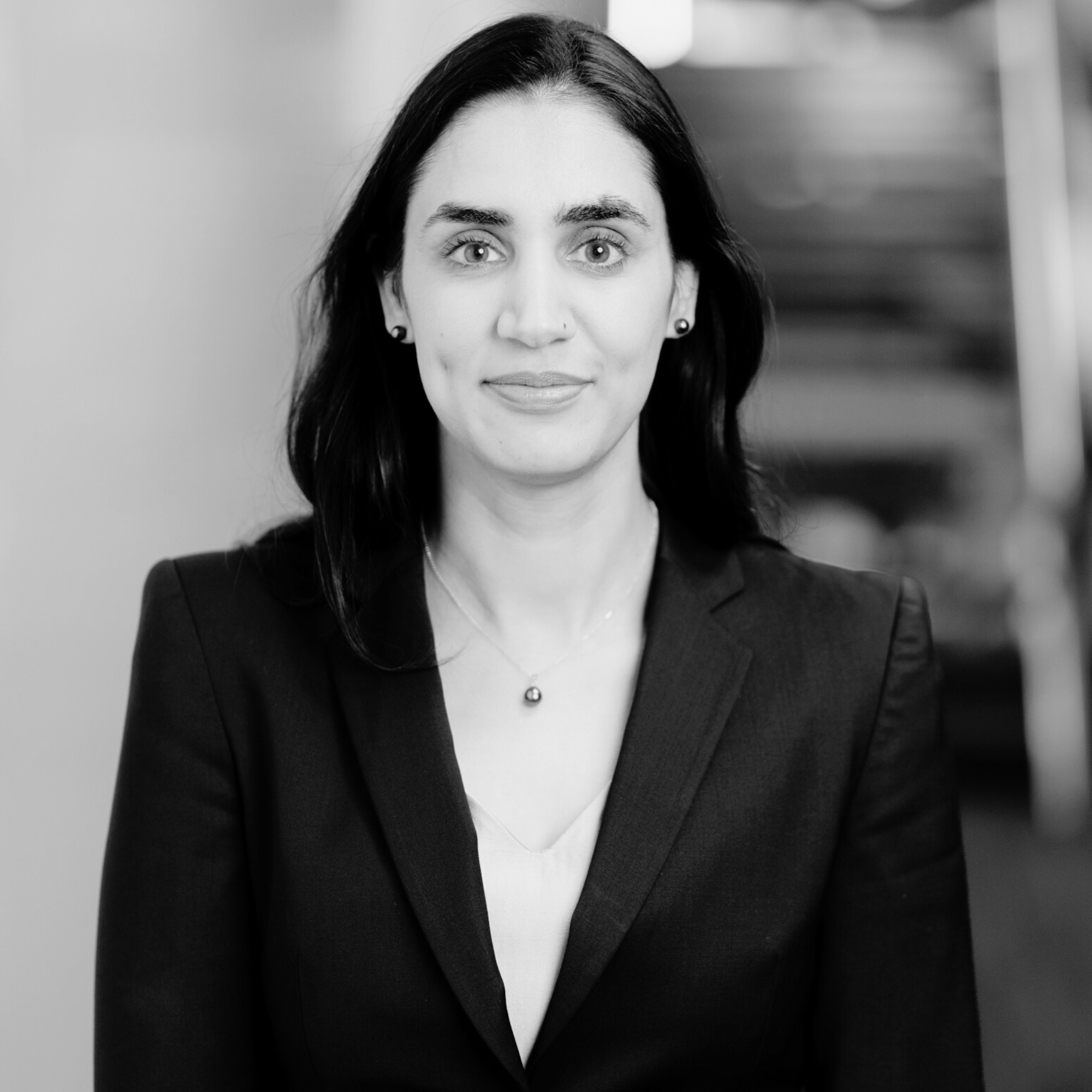 Dr. Angeli MöllerManaging Director, Sequoia Growth GmbH
 -
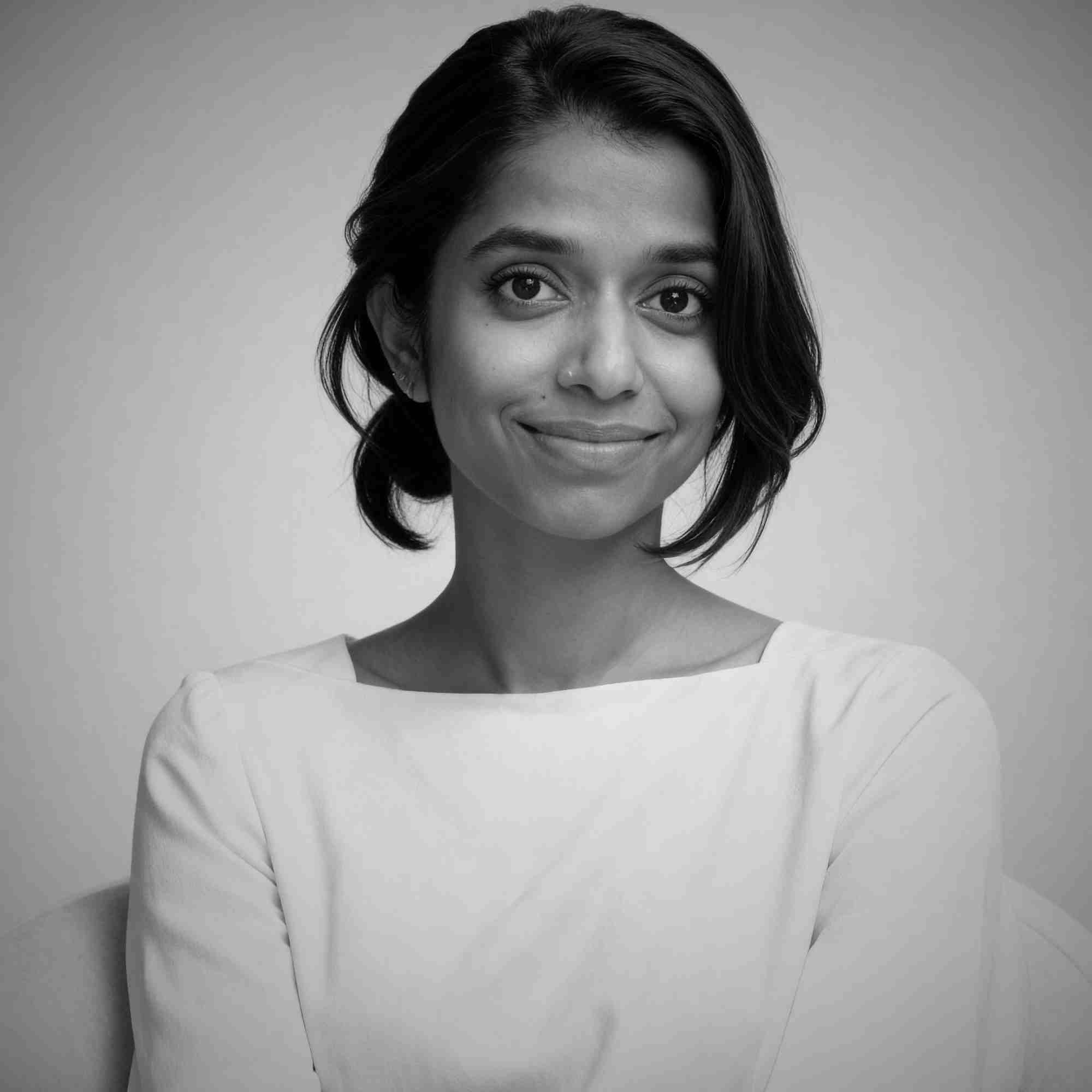 Lavanya IssenmanGlobal Head of Audiological Care Academy, Sonova
 -
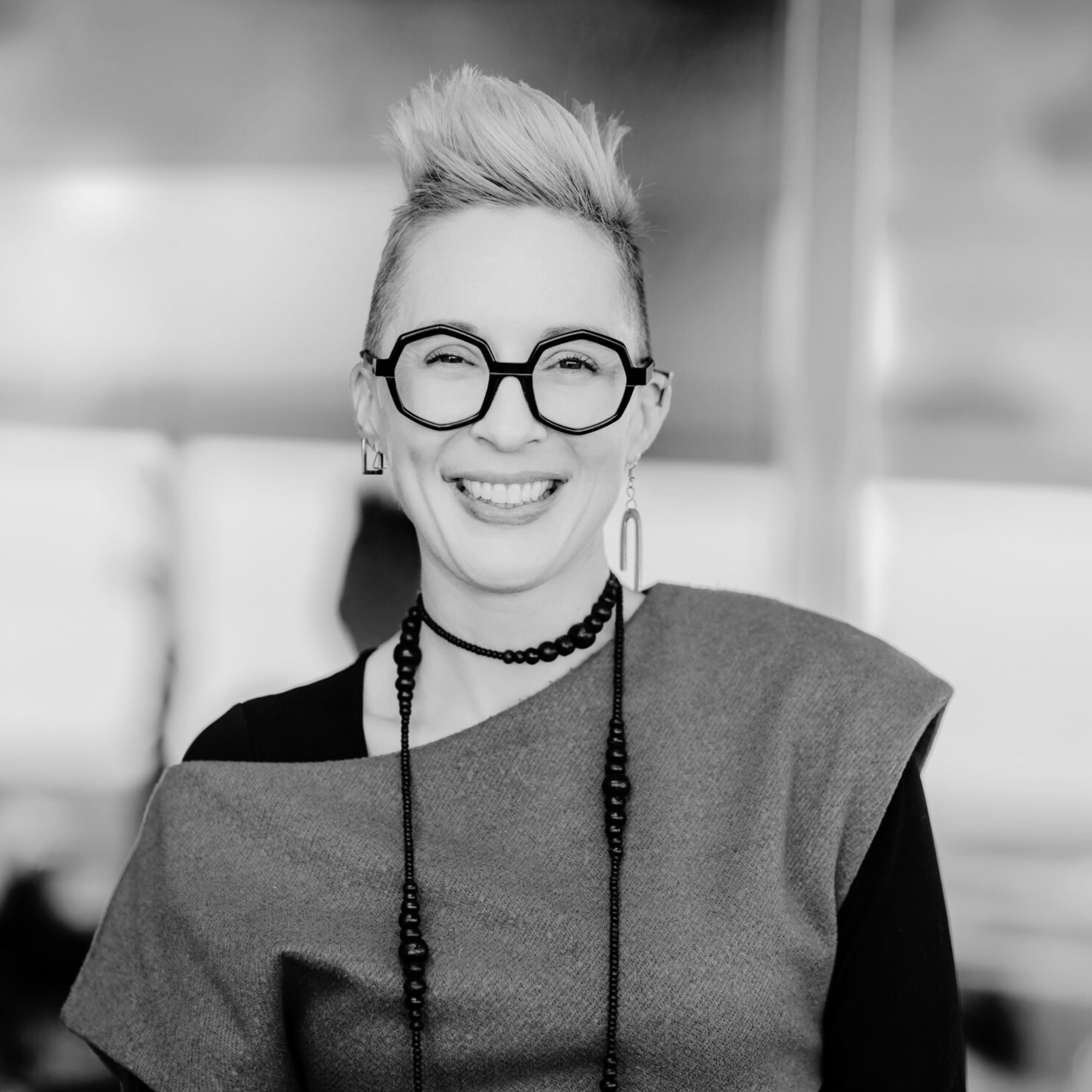 Prof. Dr. Mary-Anne (Annie) HartleyDirector, LiGHT (Laboratory for Global Health & Humanitarian Response Technologies)
 -
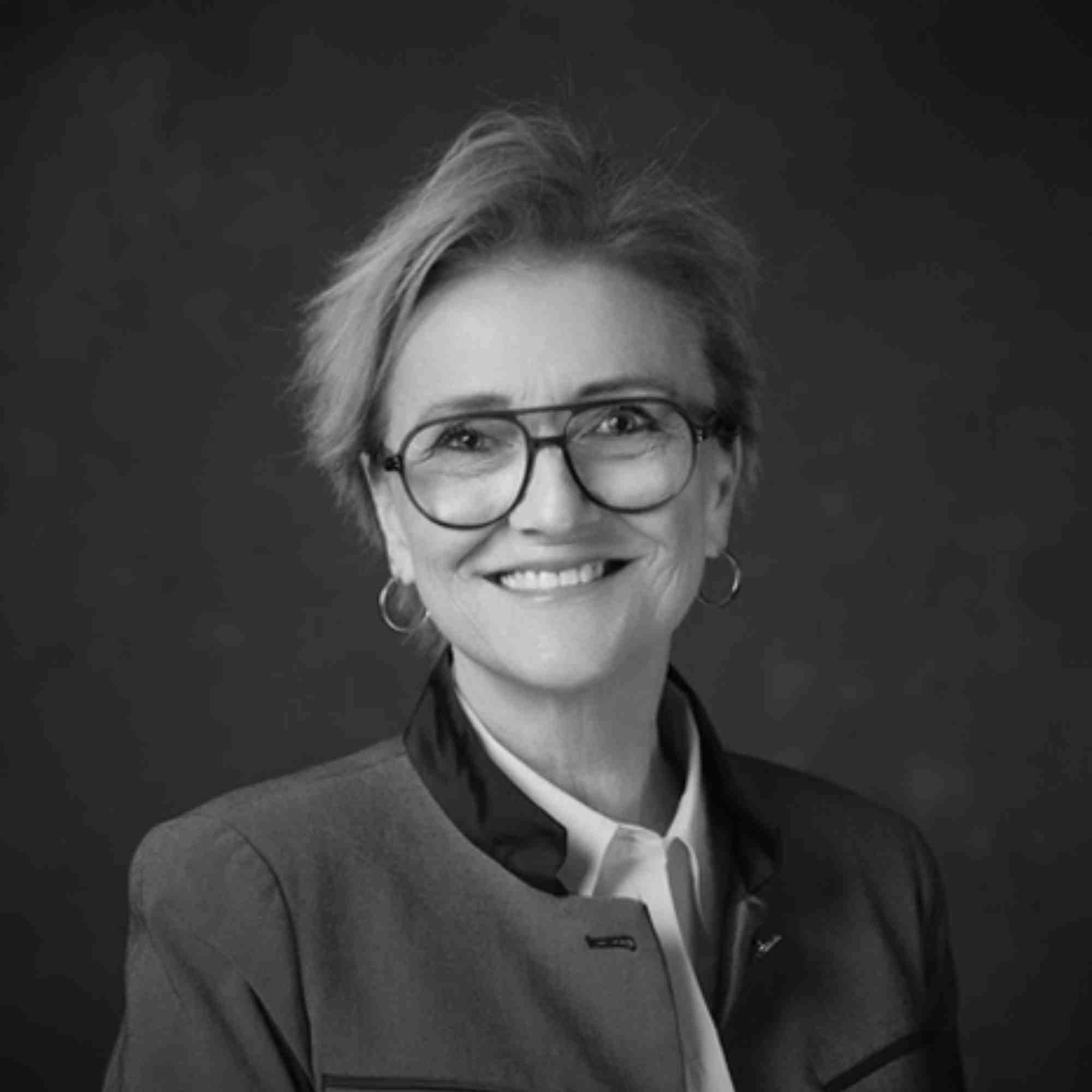 Dr. Ann AertsHead of Novartis Foundation, Novartis Foundation
 -
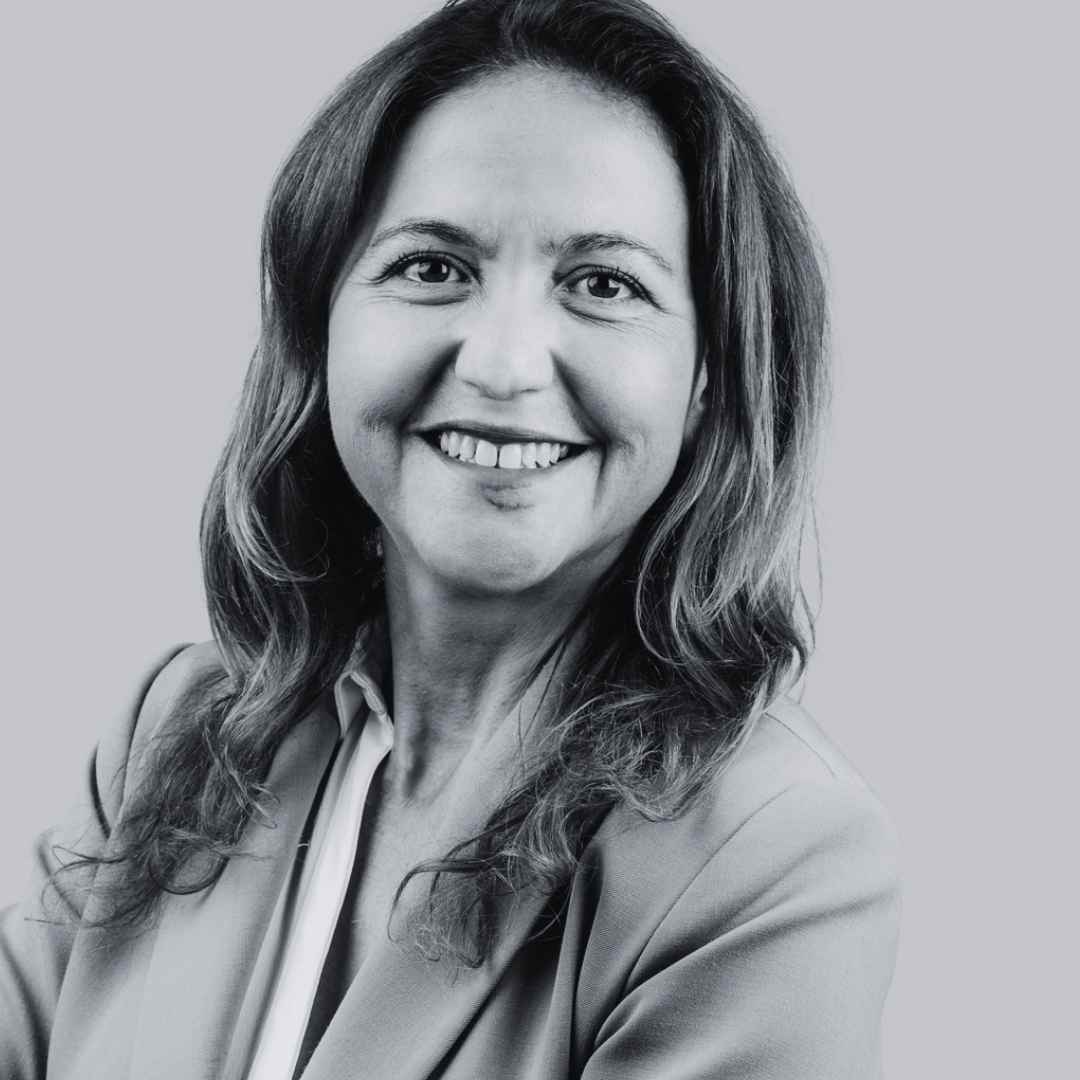 Safia AgueniPresident,Women In Tech Switzerland
-
 Dr. Chris LuebkemanHead of Strategic Foresight Hub, ETH Zürich, ETH Zürich
 -
 Prof. Dr. Gudela GroteProfessor of Work and Organizational Psychology, ETH Zürich
 -
 Matt MadrigalChief Technology Officer, Pinterest
 -
 Ayumi Moore AokiFounder CEO - Women in Tech® Global, Women In Tech Global
-
 Marc WalderCEO Ringier ( Moderator)
 -
Annabella BasslerCFO Ringier & Initiator EqualVoice
-
 Tamara RaichFounder & President Athena21
 -
 Brittany KaiserCEO AlphaTON Capital
-
Annabella BasslerCFO Ringier & Initiator EqualVoice ( Moderator)
-
 Christine GraeffGlobal Chief Growth Officer FGS Global
 -
 Leila ToplicChief Communications & Trust Officer Carbonfuture AG
 -
 Harald PortPartner & Senior Leader PvL
-
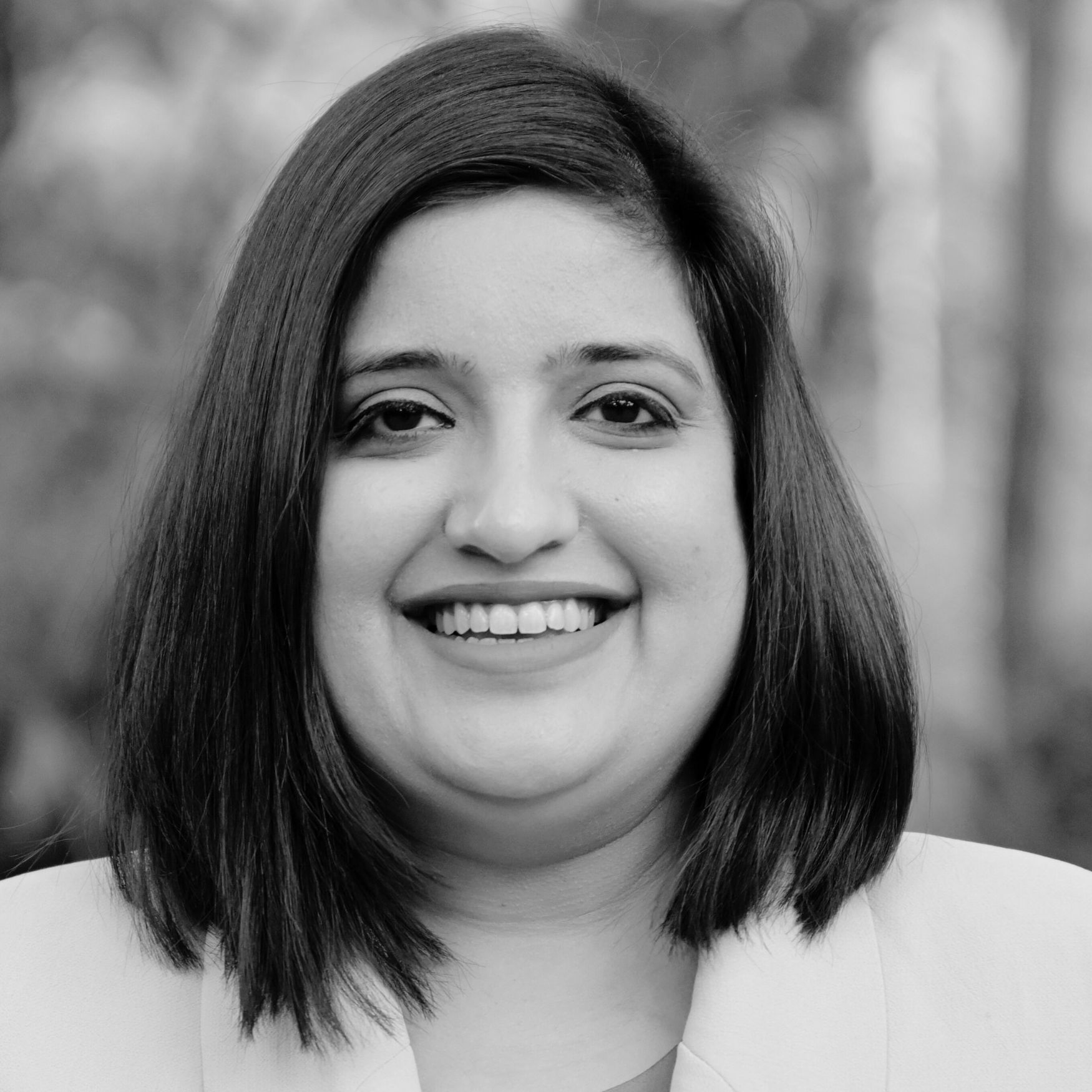 Asmita SatyarthiChief Executive Officer, Satyarthi Movement for Global Compassion
 -
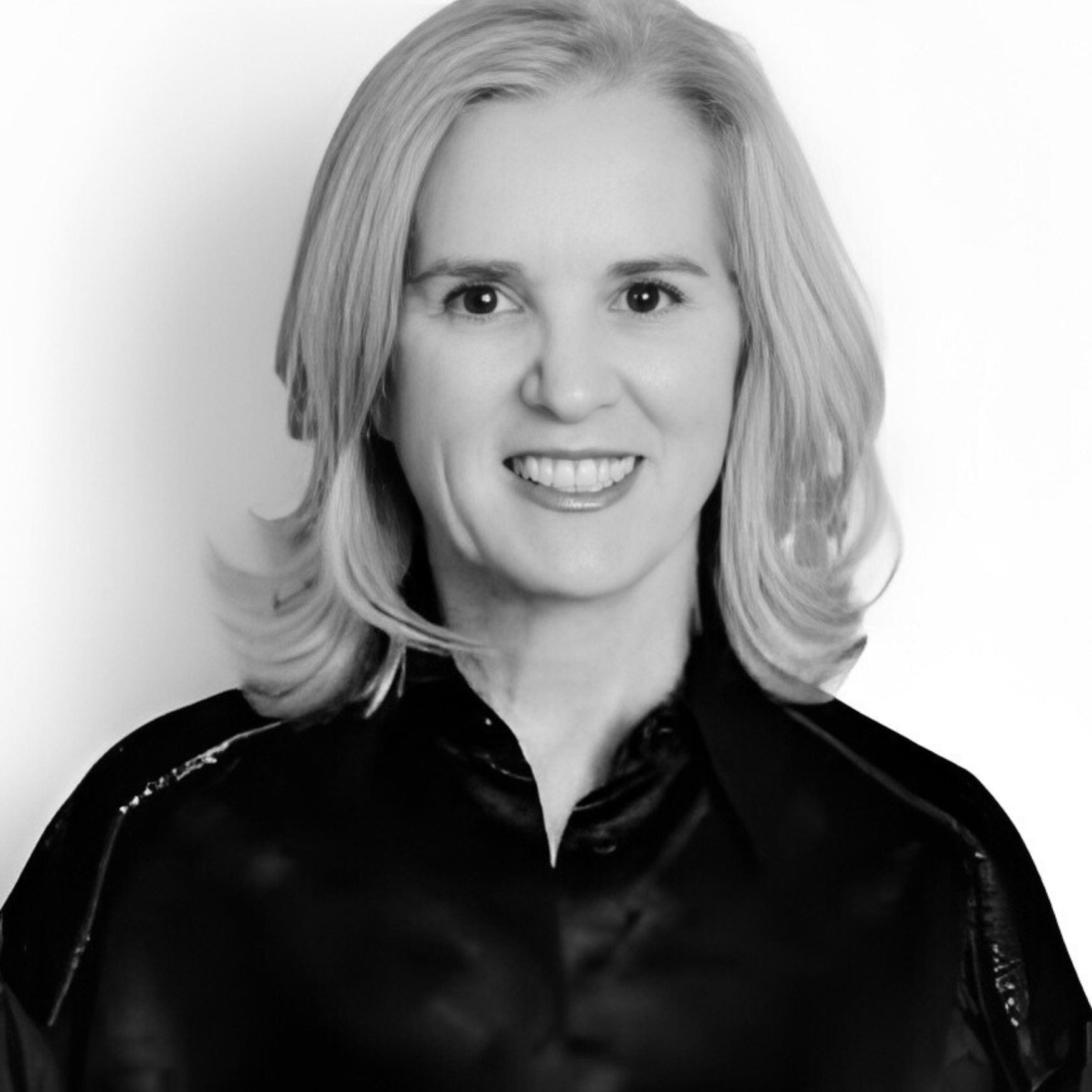 Kerry KennedyPresident, Robert & Ethel Kennedy Human Rights Center
 -
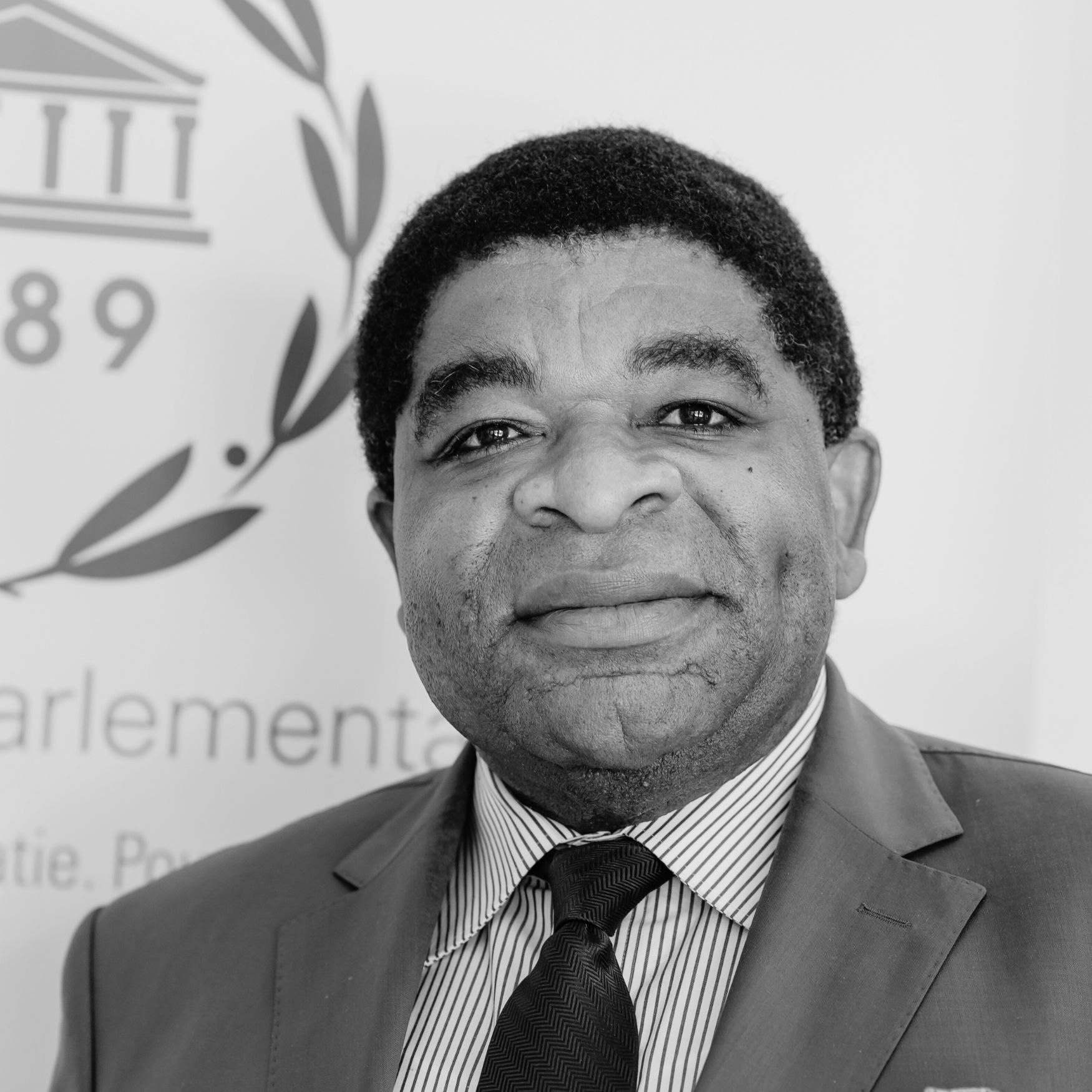 Martin ChungongSecretary-General of the Inter-Parliamentary Union
 -
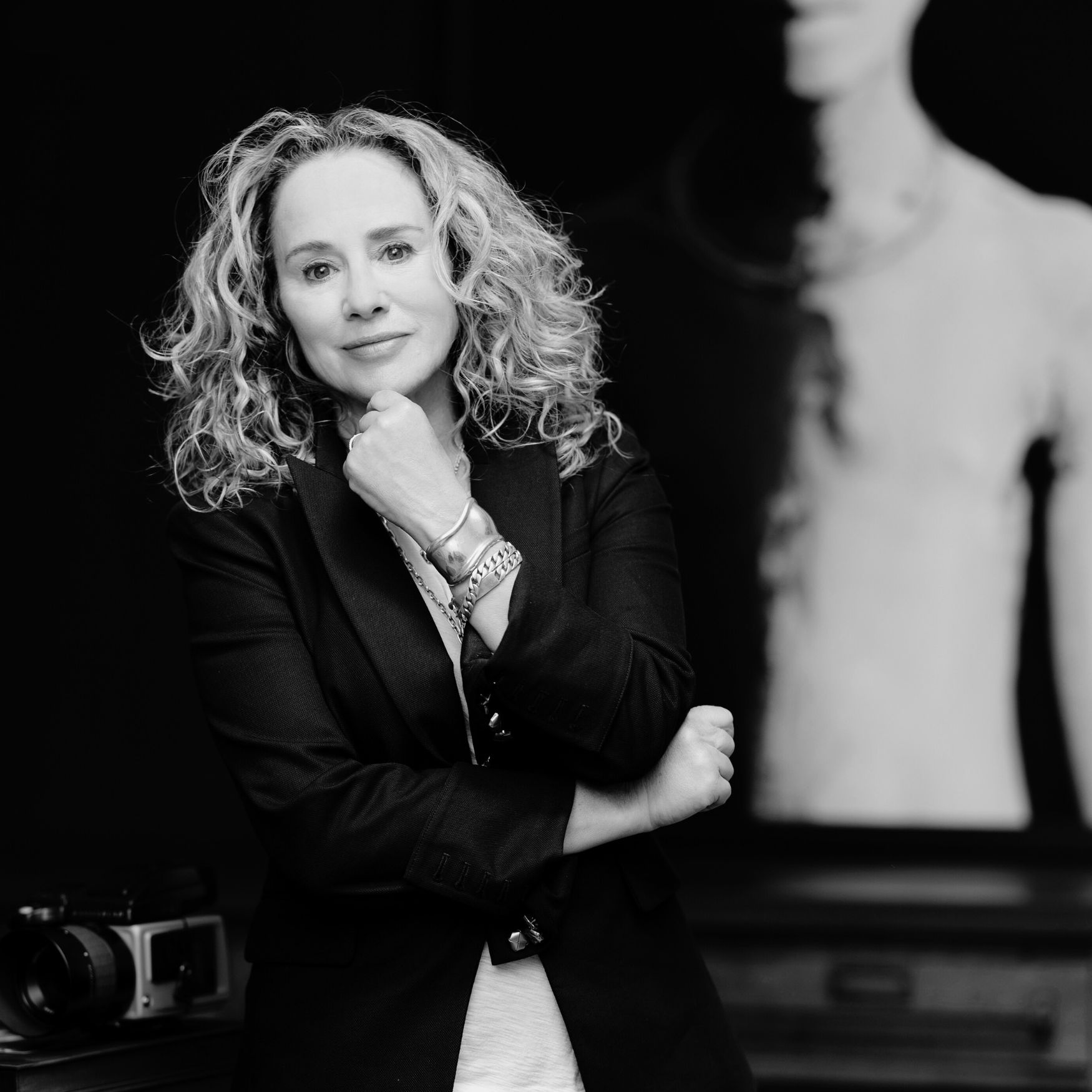 Lisa KristineInternational Humanitarian Photographer
-
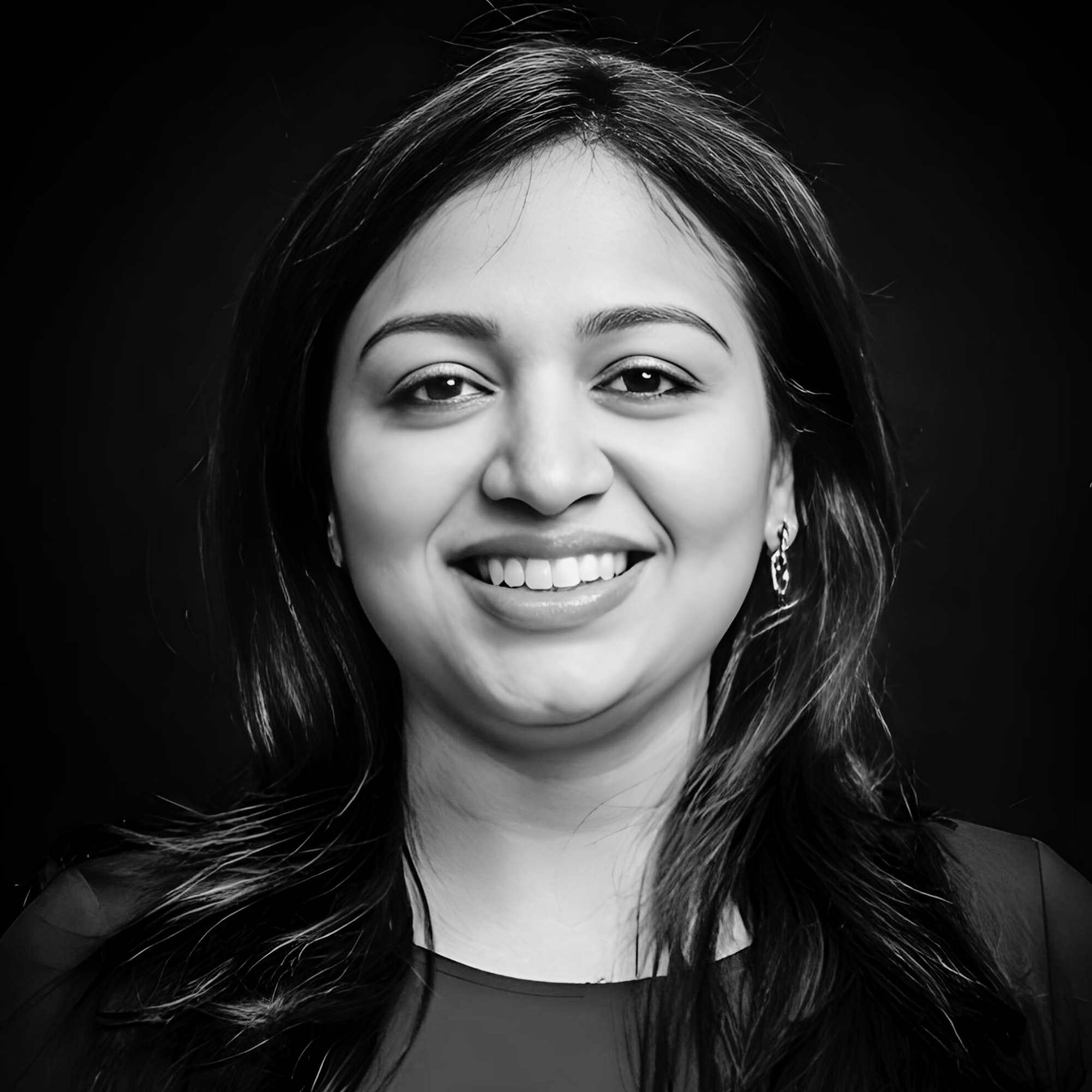 Rupa DashFounder & CEO, World Woman Foundation
 -
Constanze SchweinsteigerSenior Partner, Roland Berger
-
 Oleksandra MatviichuckNobel Laureate
 -
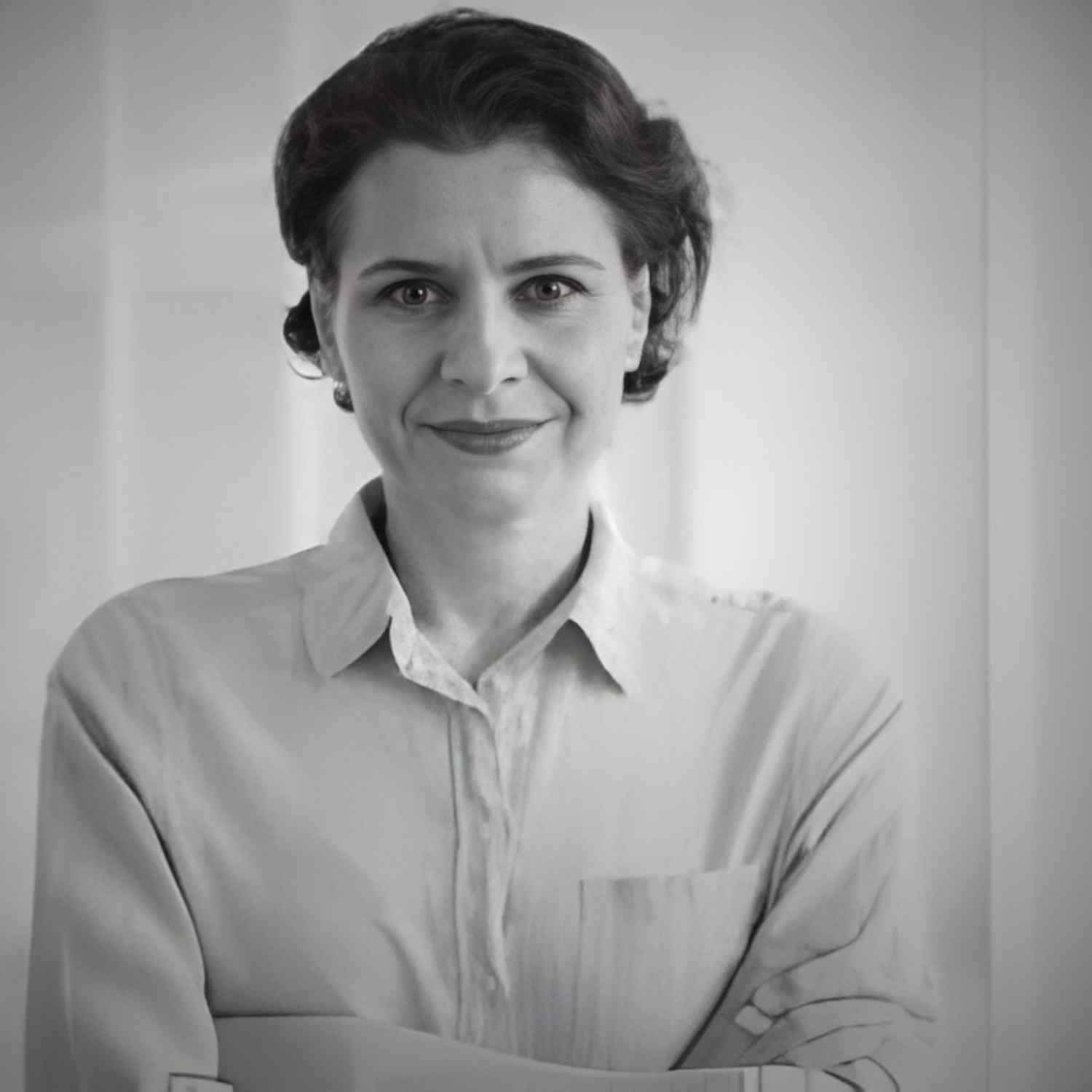 Abir Al-SahlaniMember of the European Parliament
 -
H.H. Sheikha Dr. Shamma Mohammed Khalid Al NahyanChairperson of the Board, Sheikh Mohammed Bin Khalid Al Nahyan Cultural and Educational Institutions
-
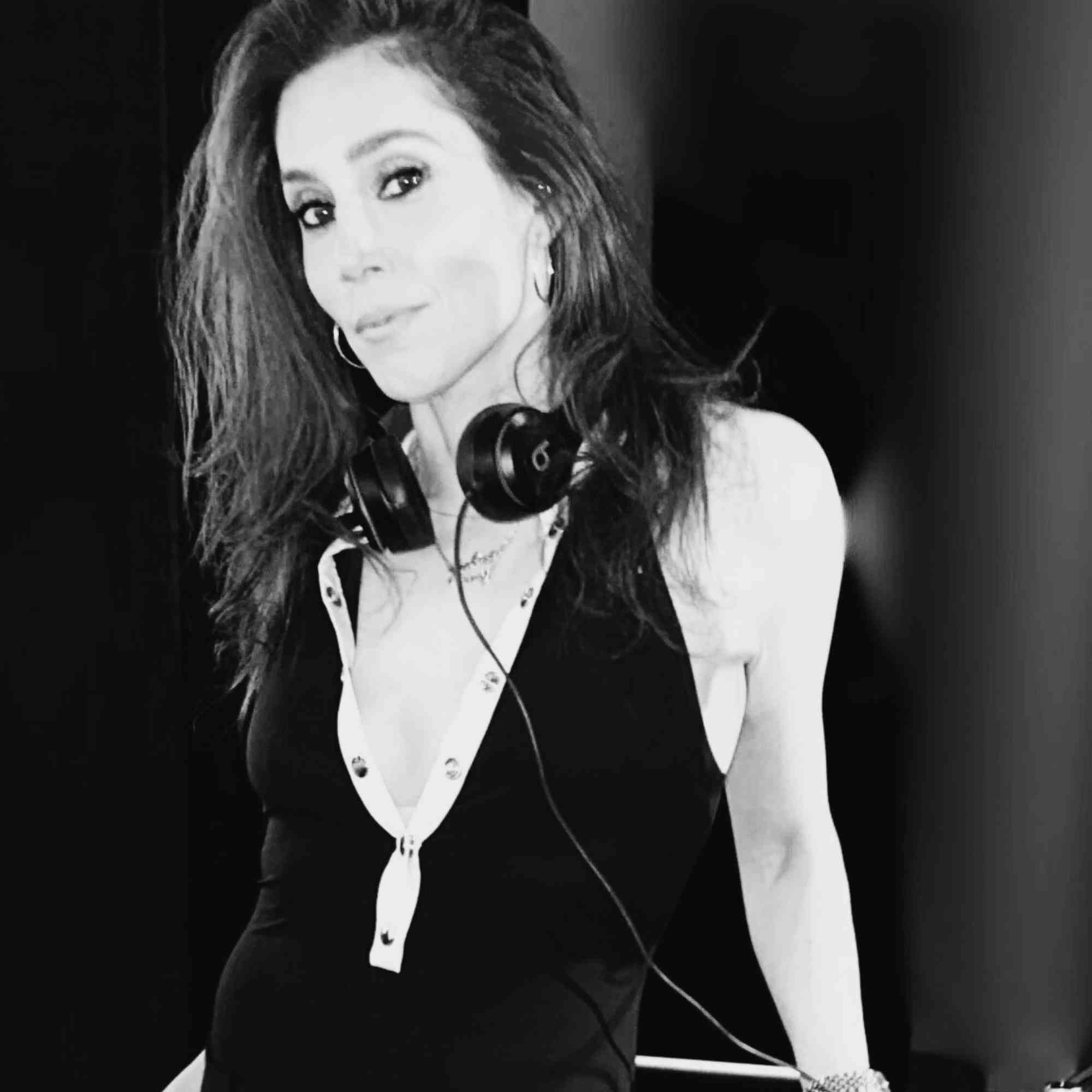 DJ Hesta PrynnAmerican DJ and Licensed Therapist
-
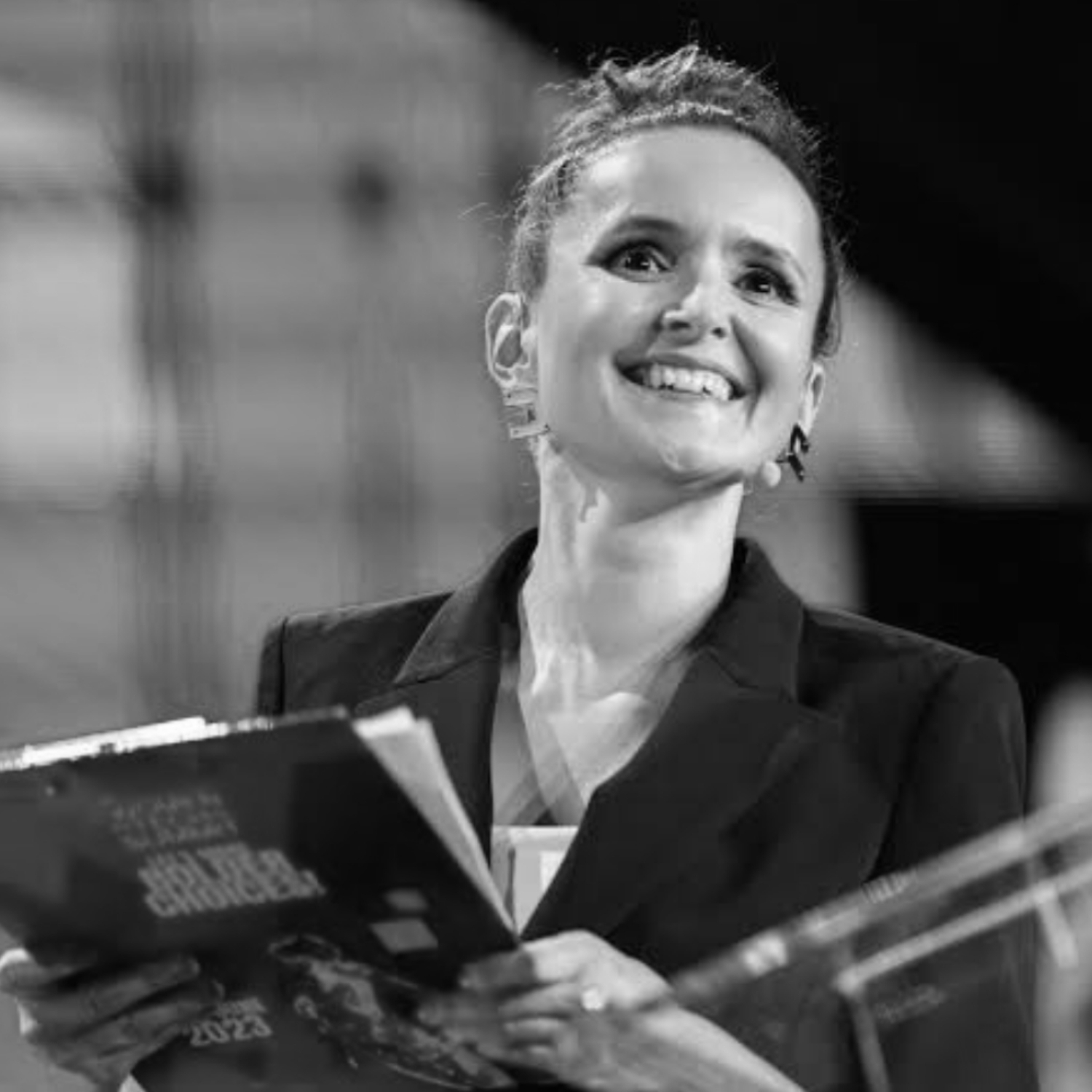 Dr. Bianka Siwinskapresident of the Perspektywy Educational Foundation
 -
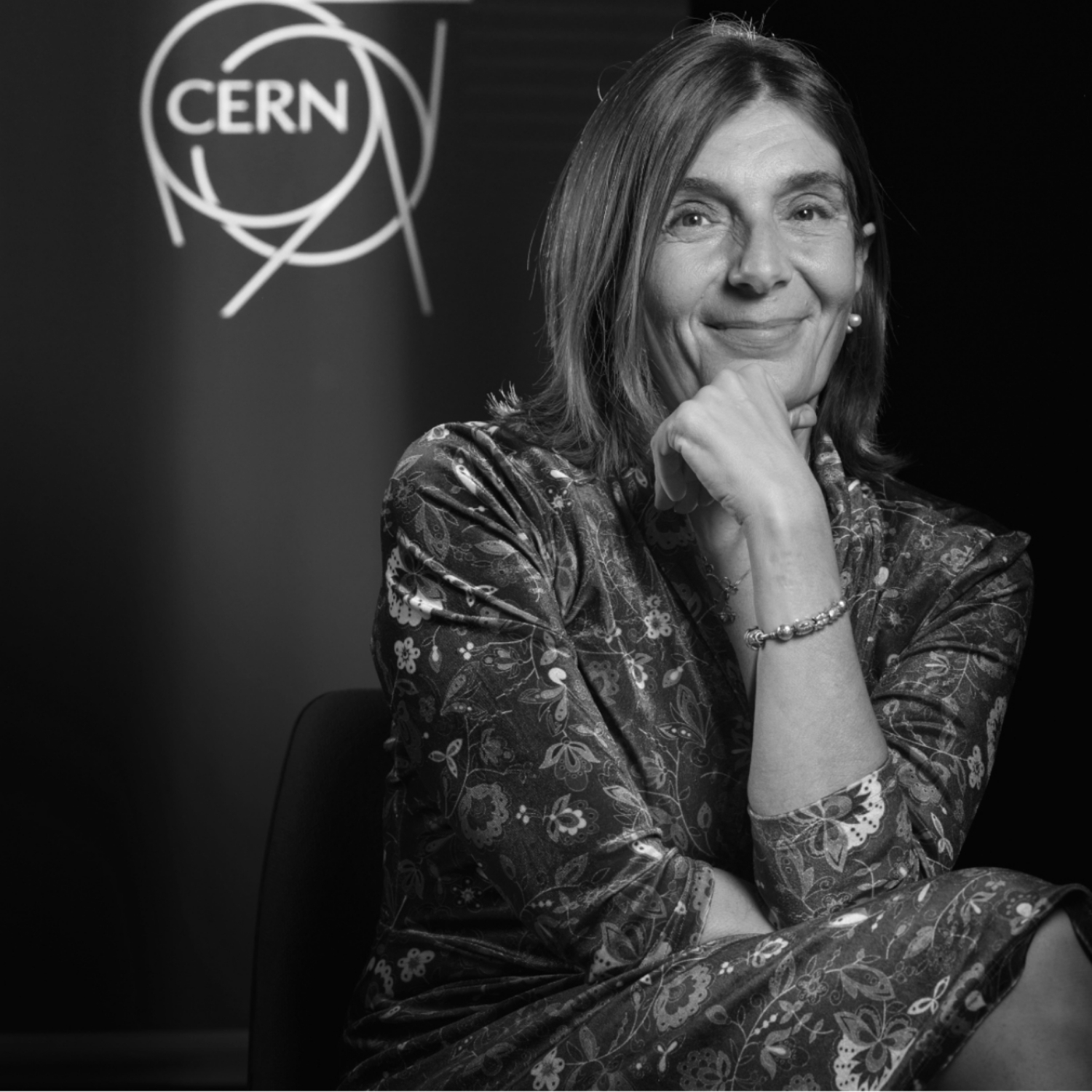 Prof. Enrica PorcariChief Information Officer, CERN
 -
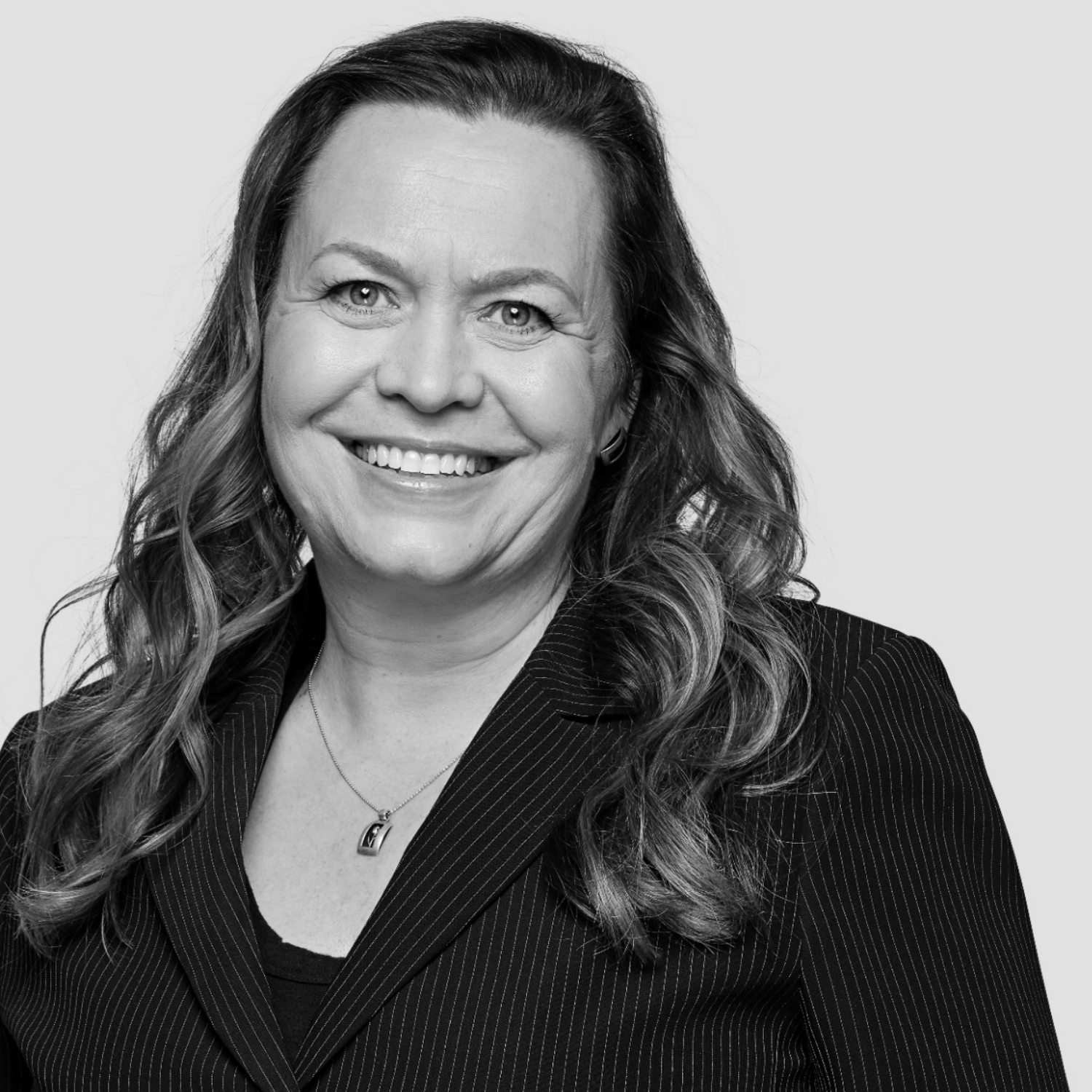 Dr. Anna TopolChief Technology Officer Global Think Labs & Strategic Partnerships, IBM Industry Research
 -
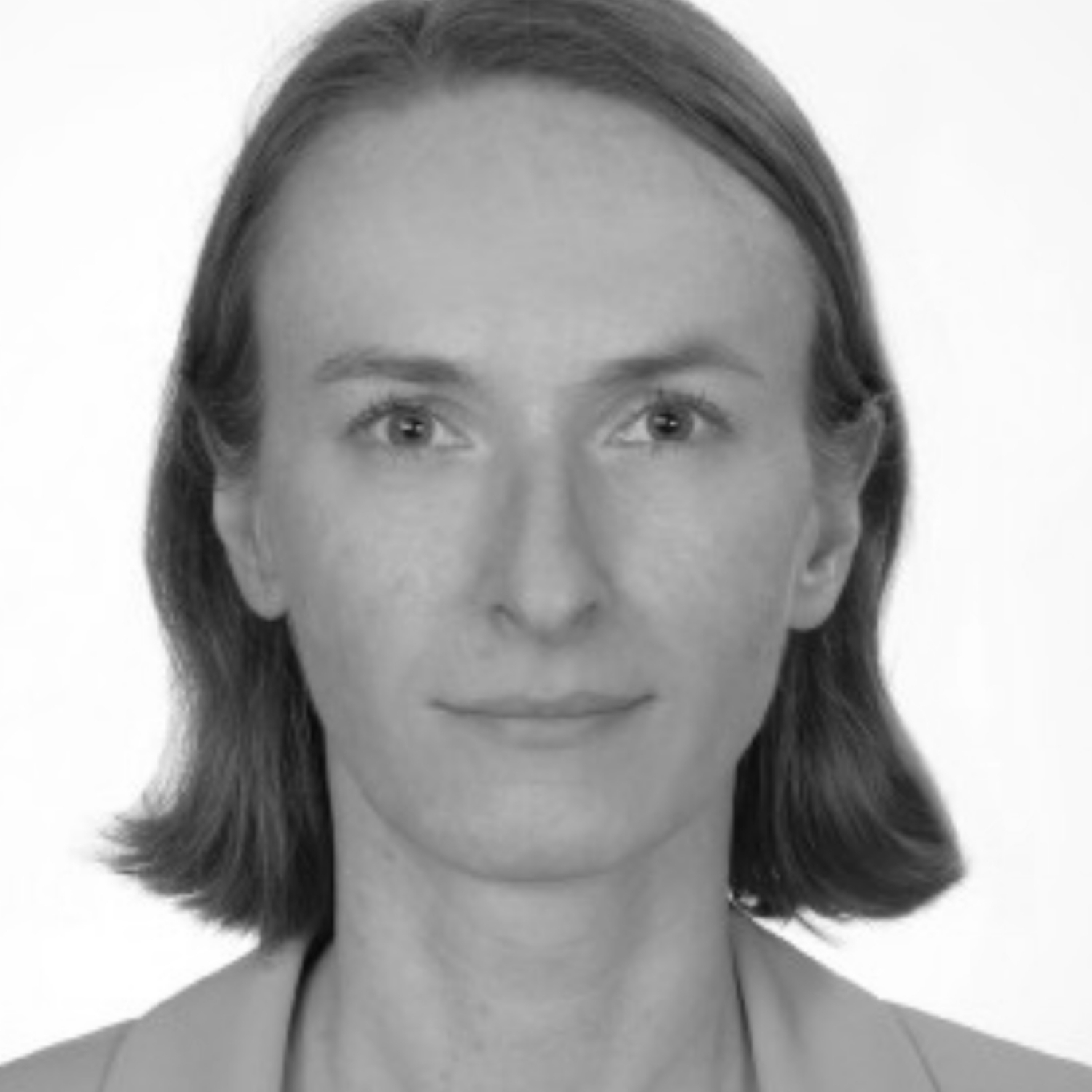 Dr. Anna KamińskaCEO, Creotech Quantum SA
 -
 Cierra ChoucairStrategic Content Director, The Quantum Insider
 -
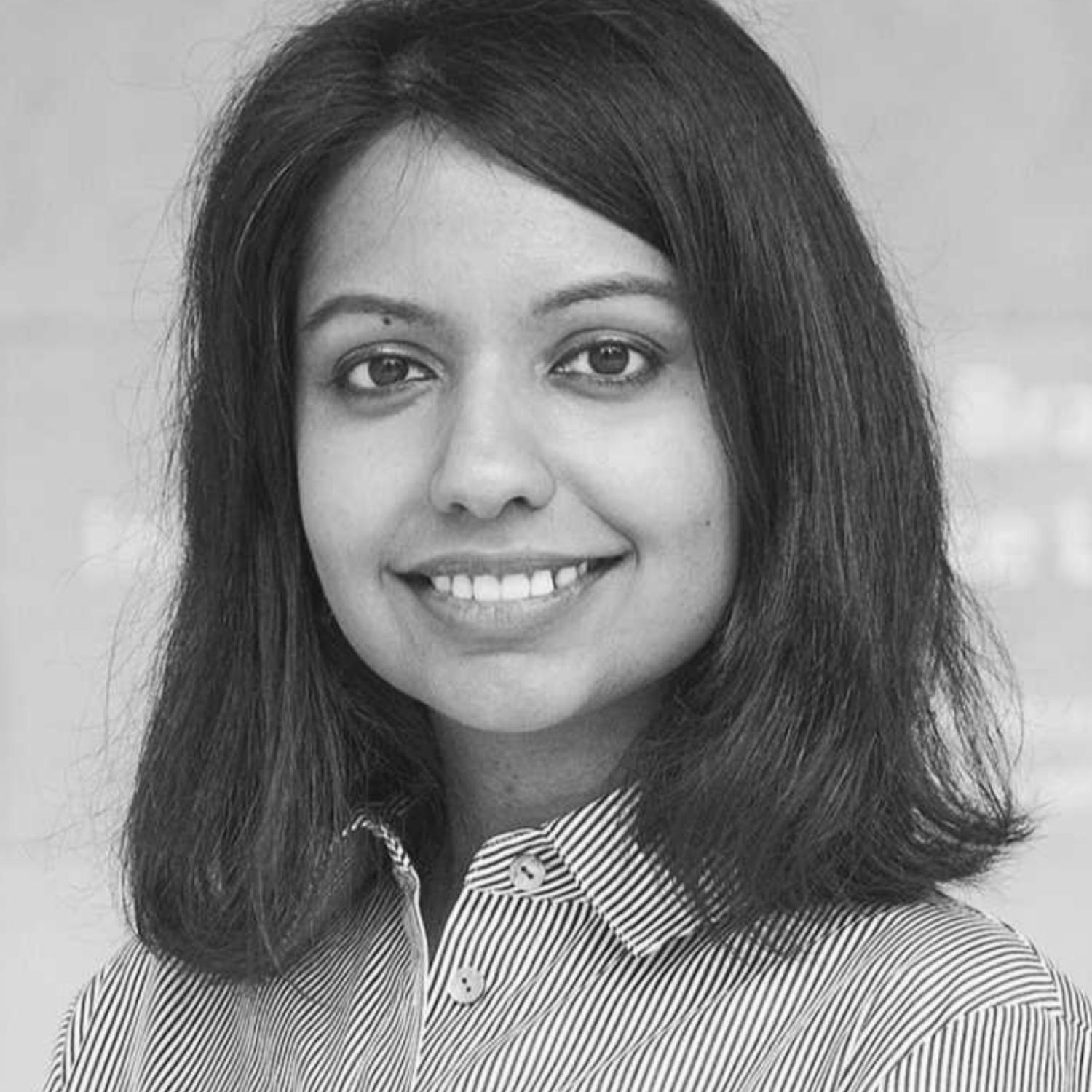 Dr. Anu UnnikrishnanExecutive Director, Quantum Center at ETZH Zurich
-
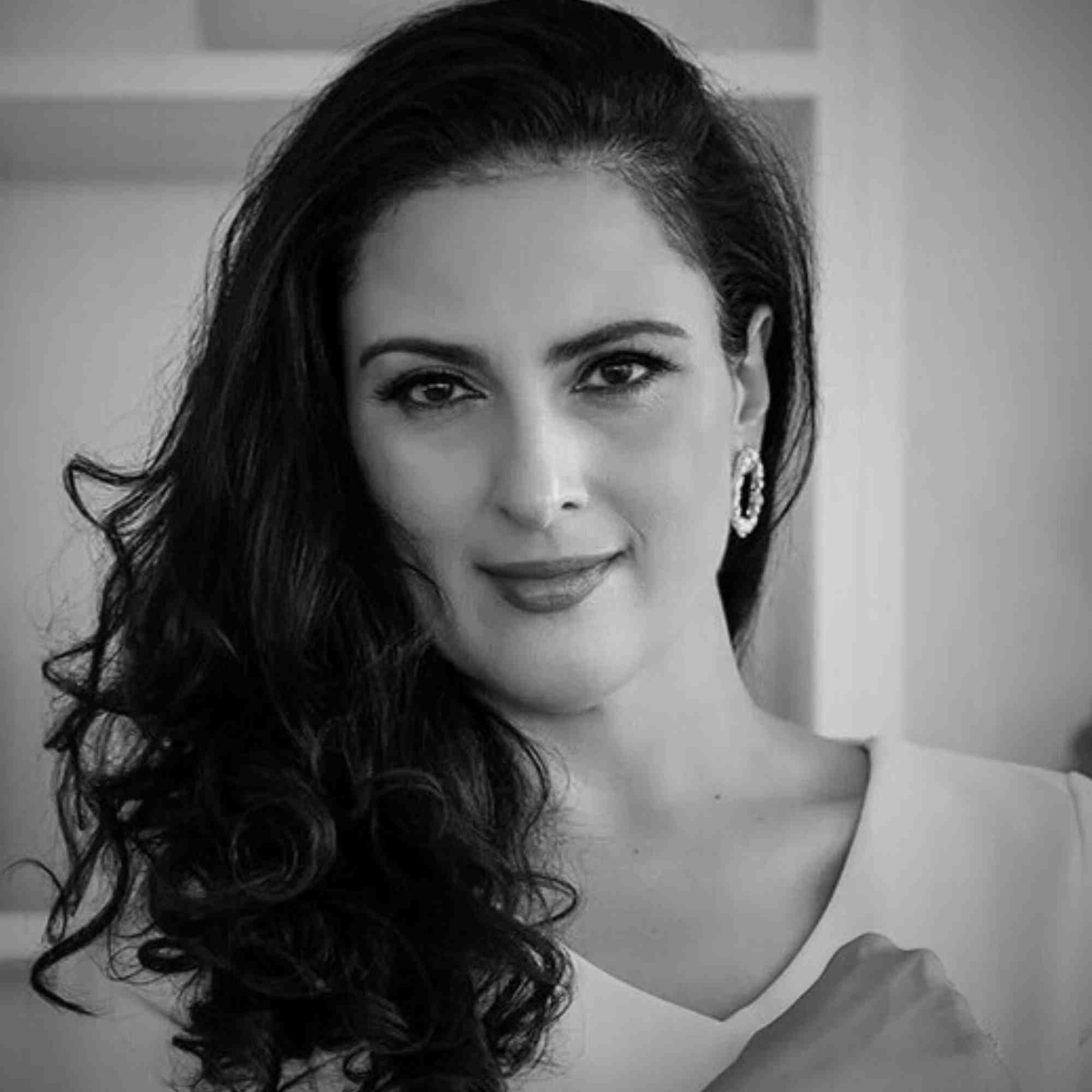 Sally MousaSenior Presenter Forbes Middle East
 -
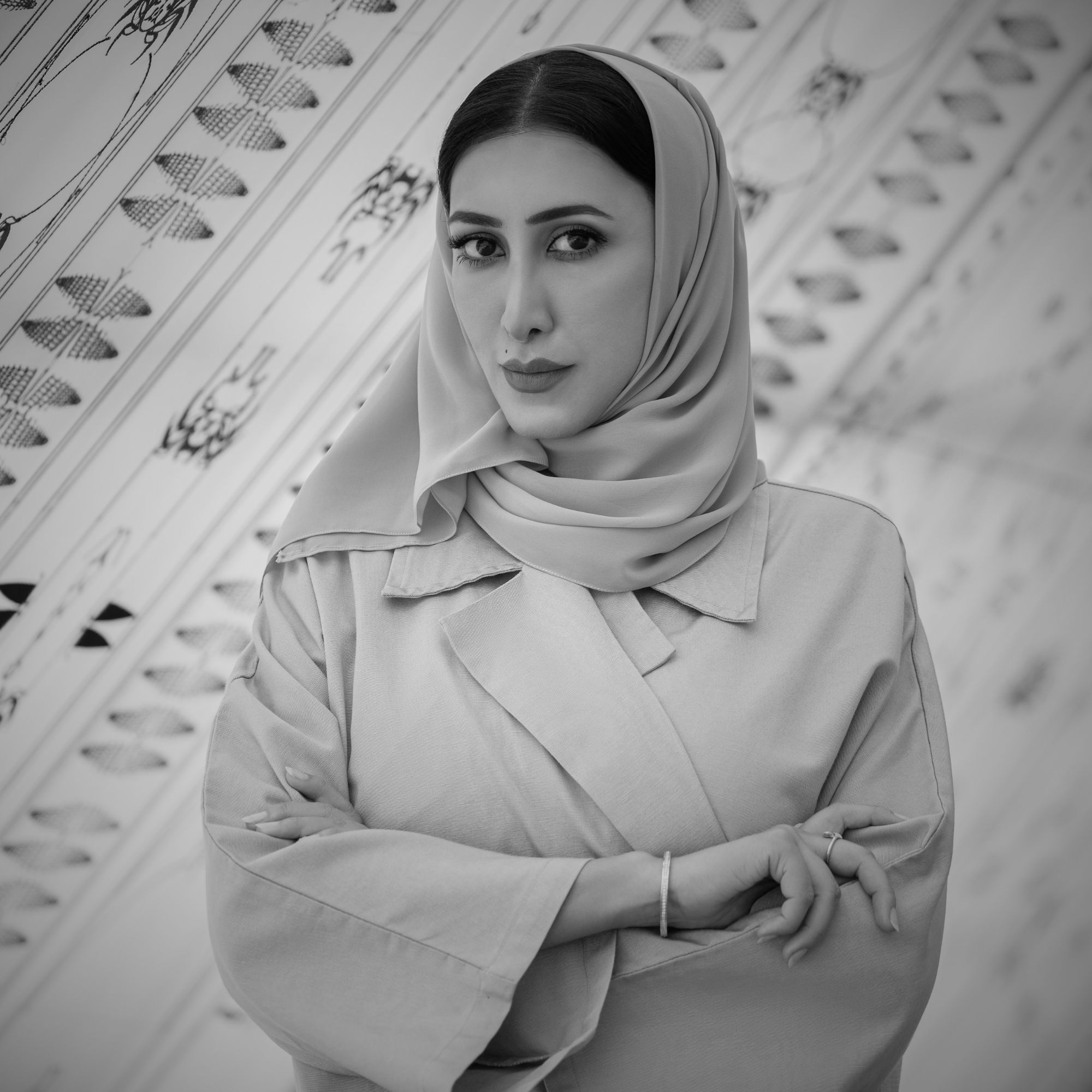 Khadija Al BastakiSenior Vice President, Dubai Design District (d3)
 -
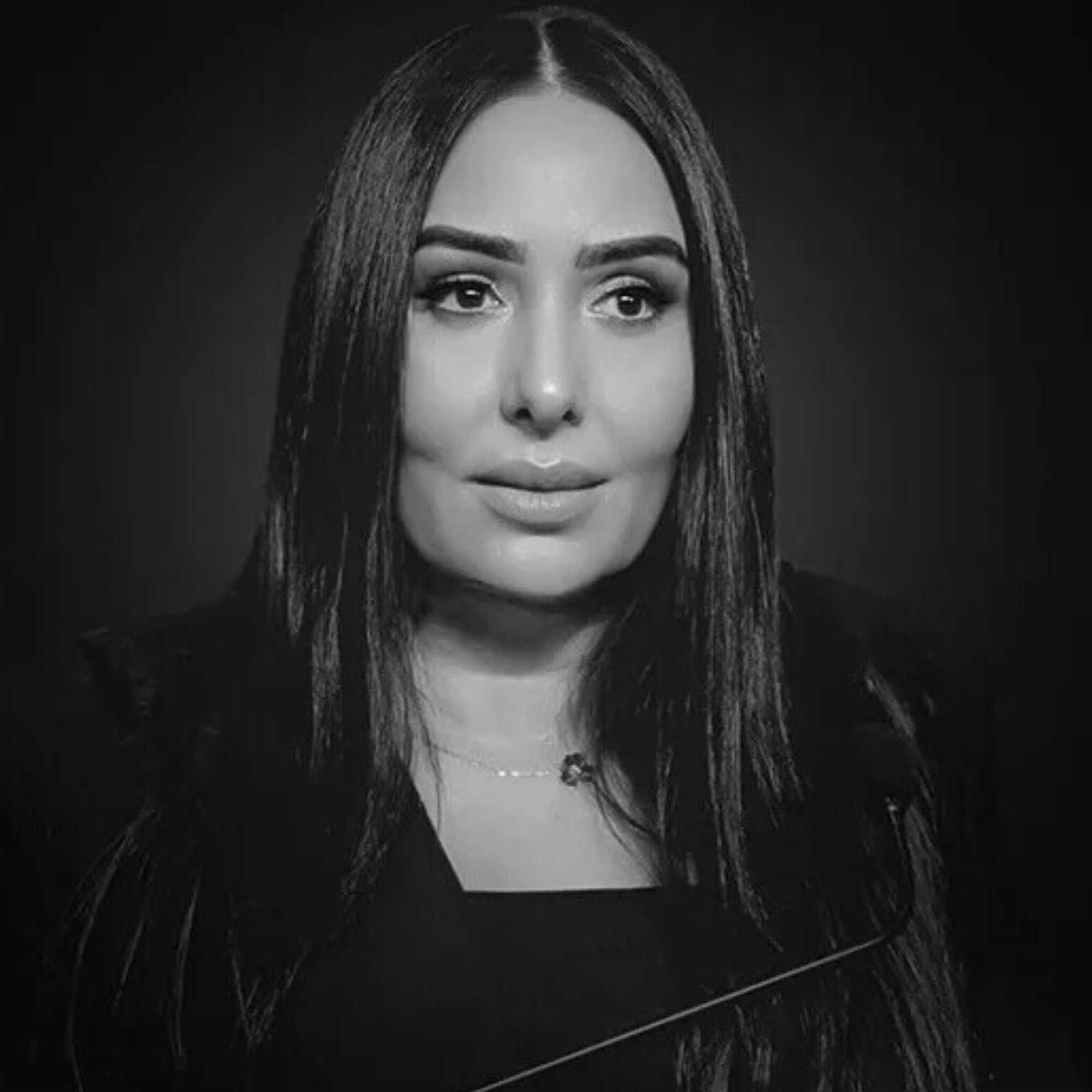 Khuloud al OmianCEO & Editor-in-Chief at Forbes Middle East
 -
 Nabila AbuljadayelSaudi artist and award-winning director, Goodwill ambassador for the King Salman Humanitarian Aid and Relief Center
 -
Kariman AbuljadayelSaudi Arabian Athlete, Olympian& Guinness World Record holder
-
 Maira GenoveseFounder and CEO of MG Empower,
 -
 Stacey Britt FitzgeraldBrand Director at Grind
 -
 Gabrielle FigueiredoBrazilian Influencer and International Content Creator
 -
 Sarah BartlettSenior Strategic Communications and Integrated Marketing Consultant
-
 Cecilia BrennerManaging Director, Design for Good
 -
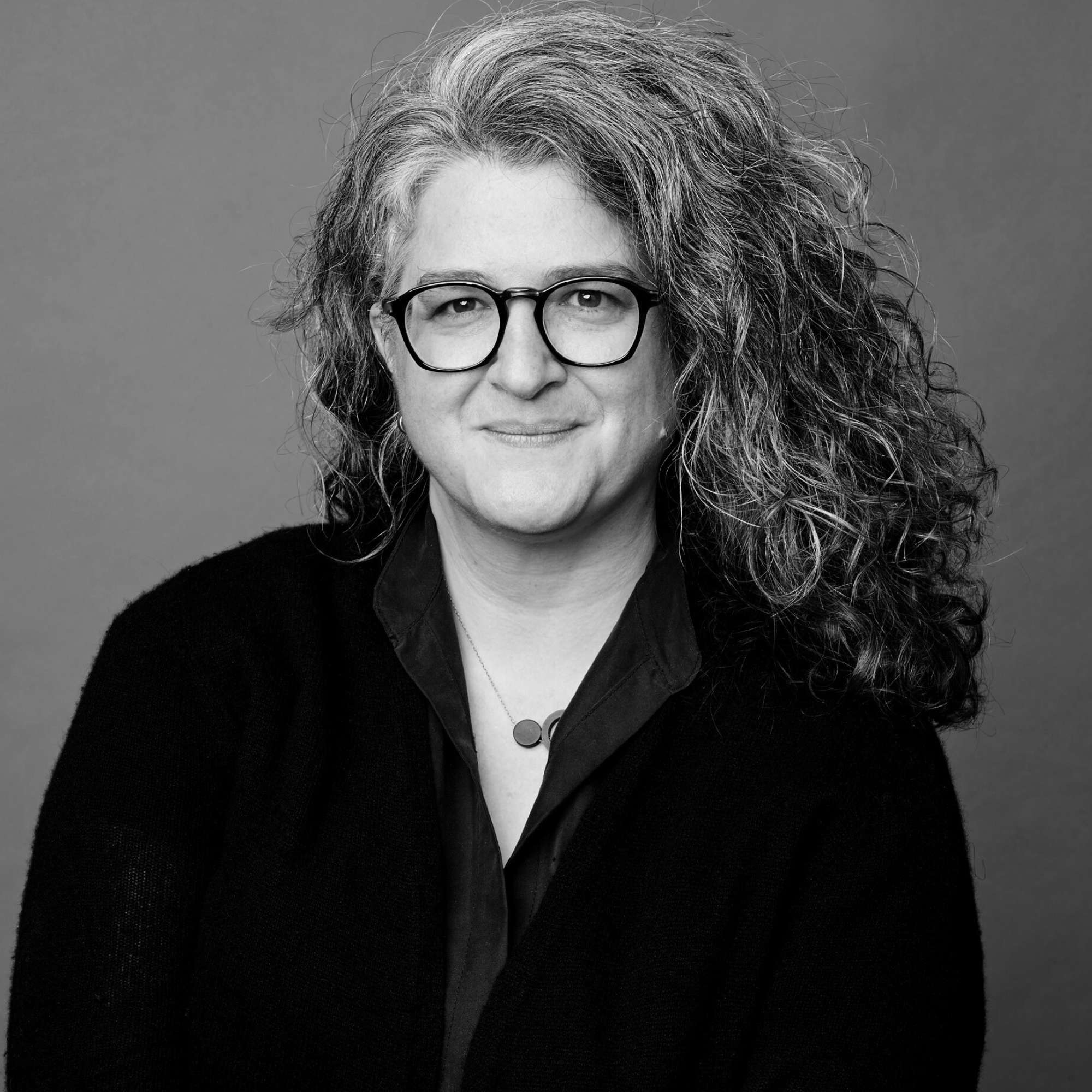 Sandy SpeicherDesign Leader & Former CEO, IDEO
-
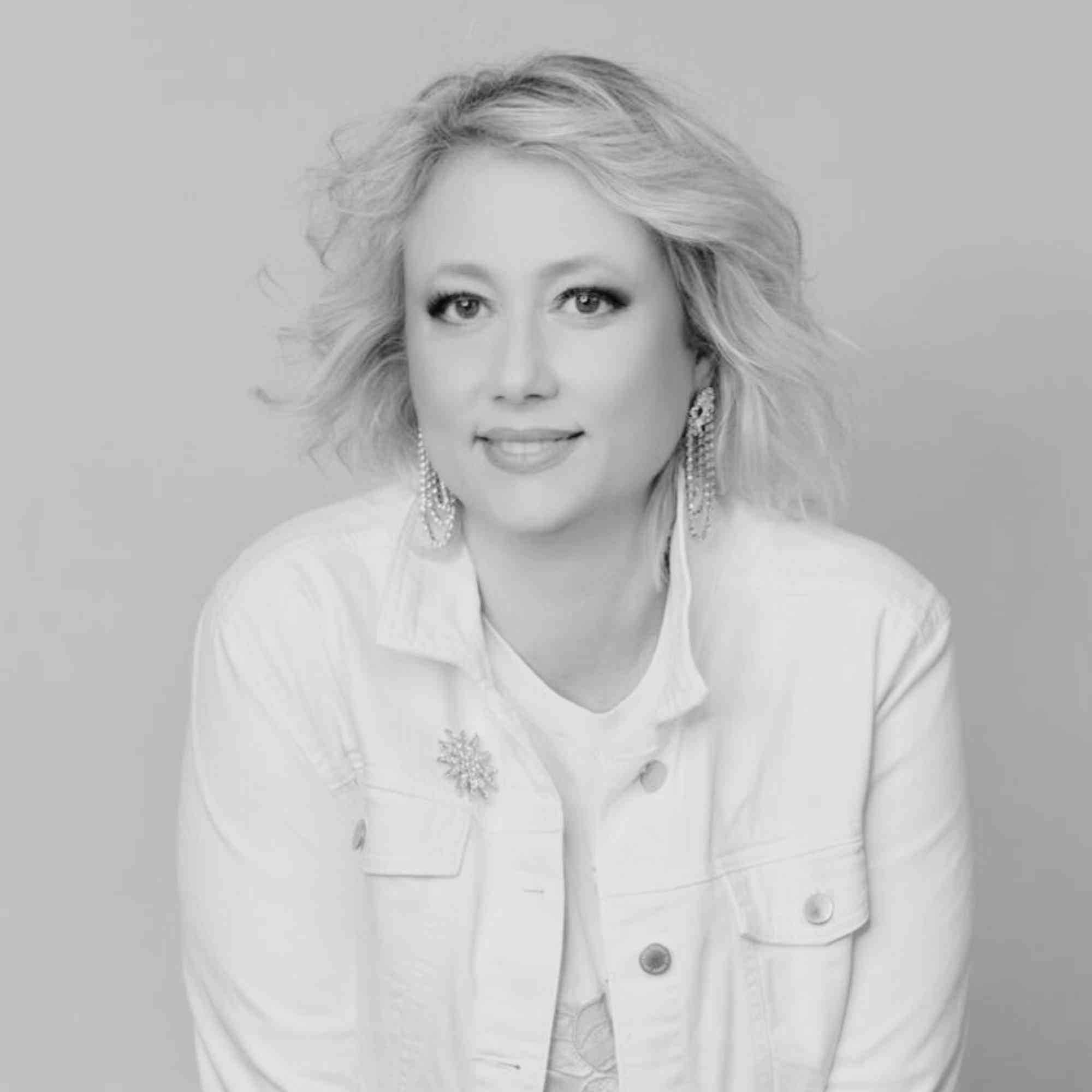 Lidia WeberCo-owner, Creative and Managing Director of Oliver Weber Collection
-
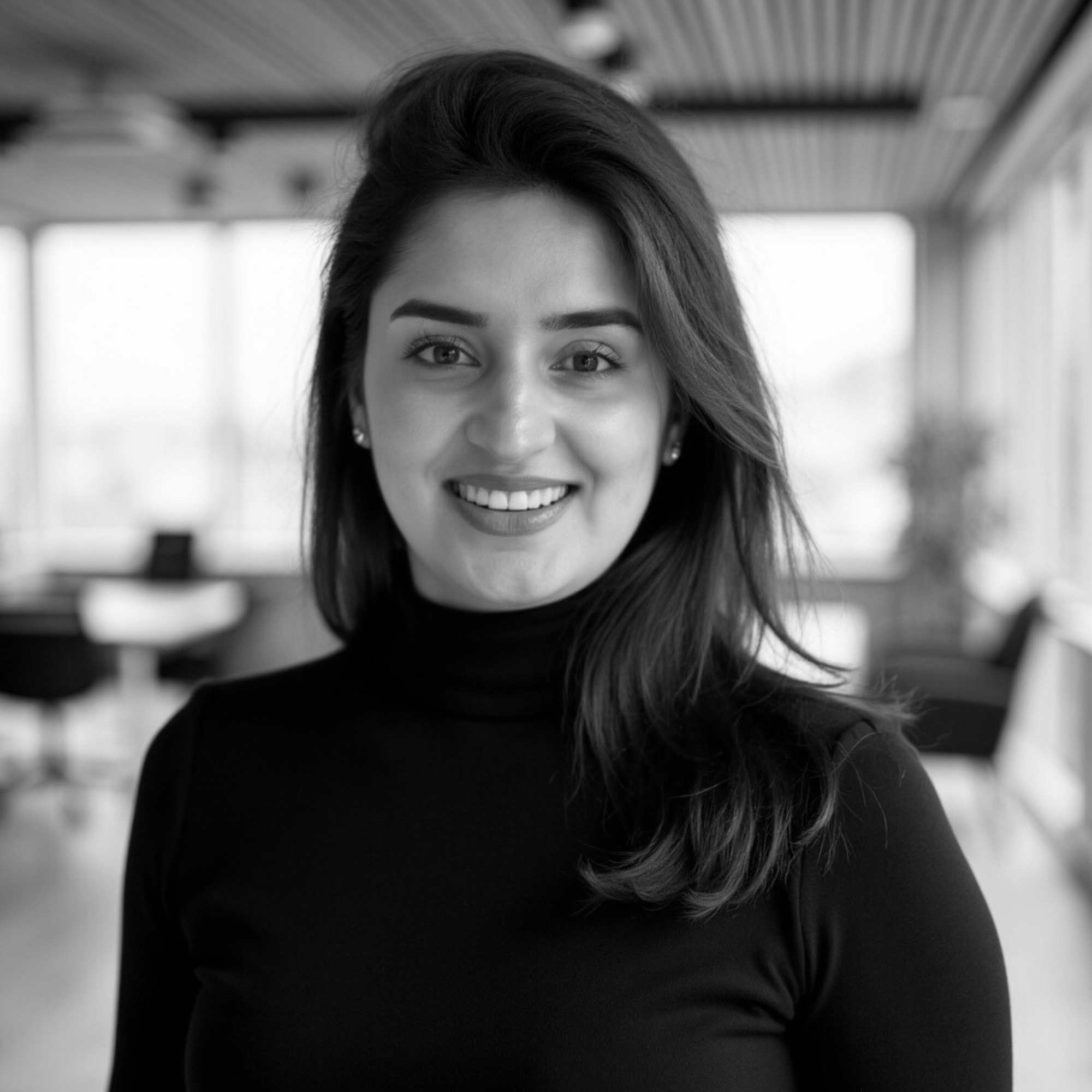 Avneet KohliCo-Founder of Encubay ( Moderator)
 -
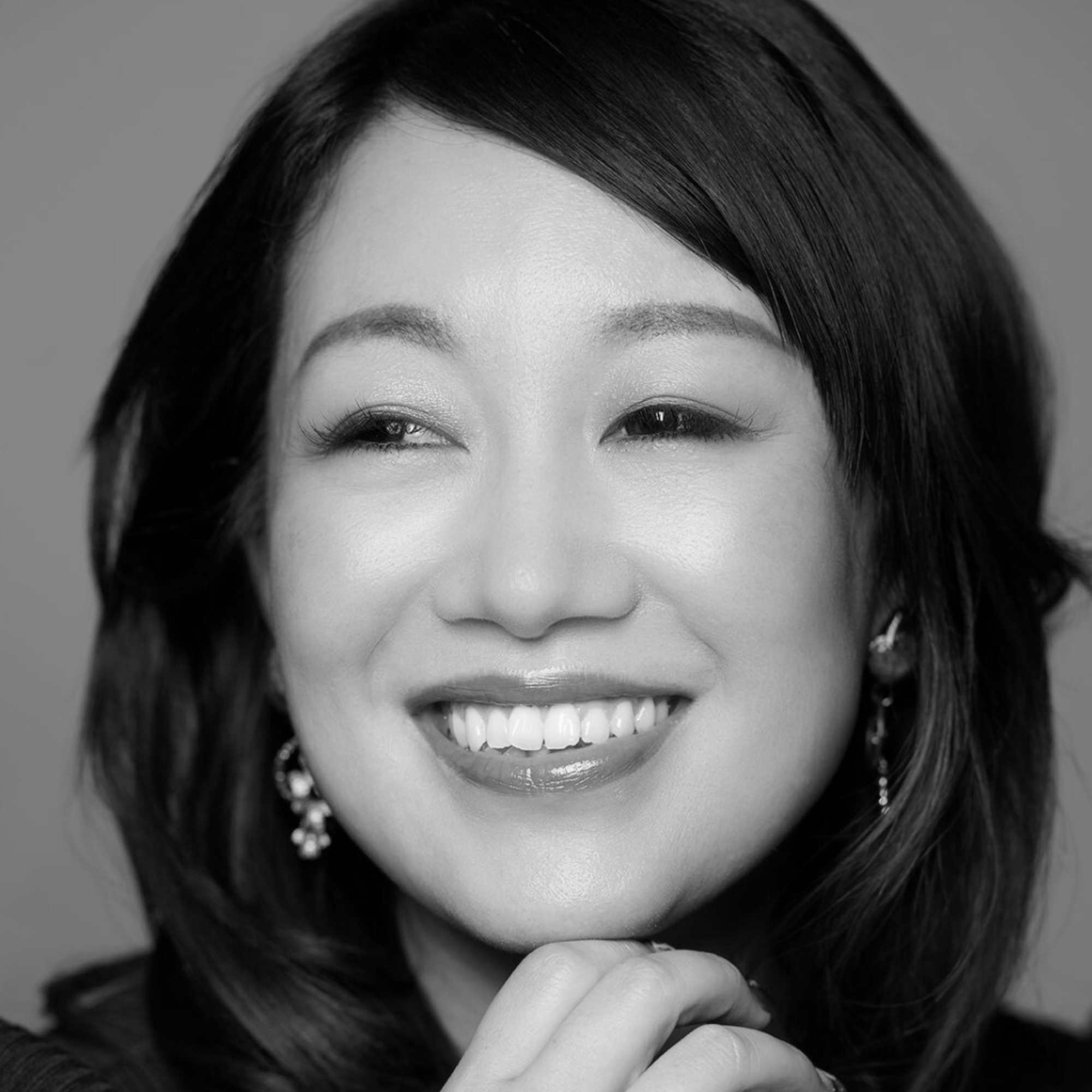 Mimi IshioPhilanthropist & Investor
 -
 Lucy ChowGlobal Investor
 -
 Sophie SwireEntrepreneur and Impact Venture Capitalist

Technology has a rippling effect on our economy, society, and community.- Shaloo Garg
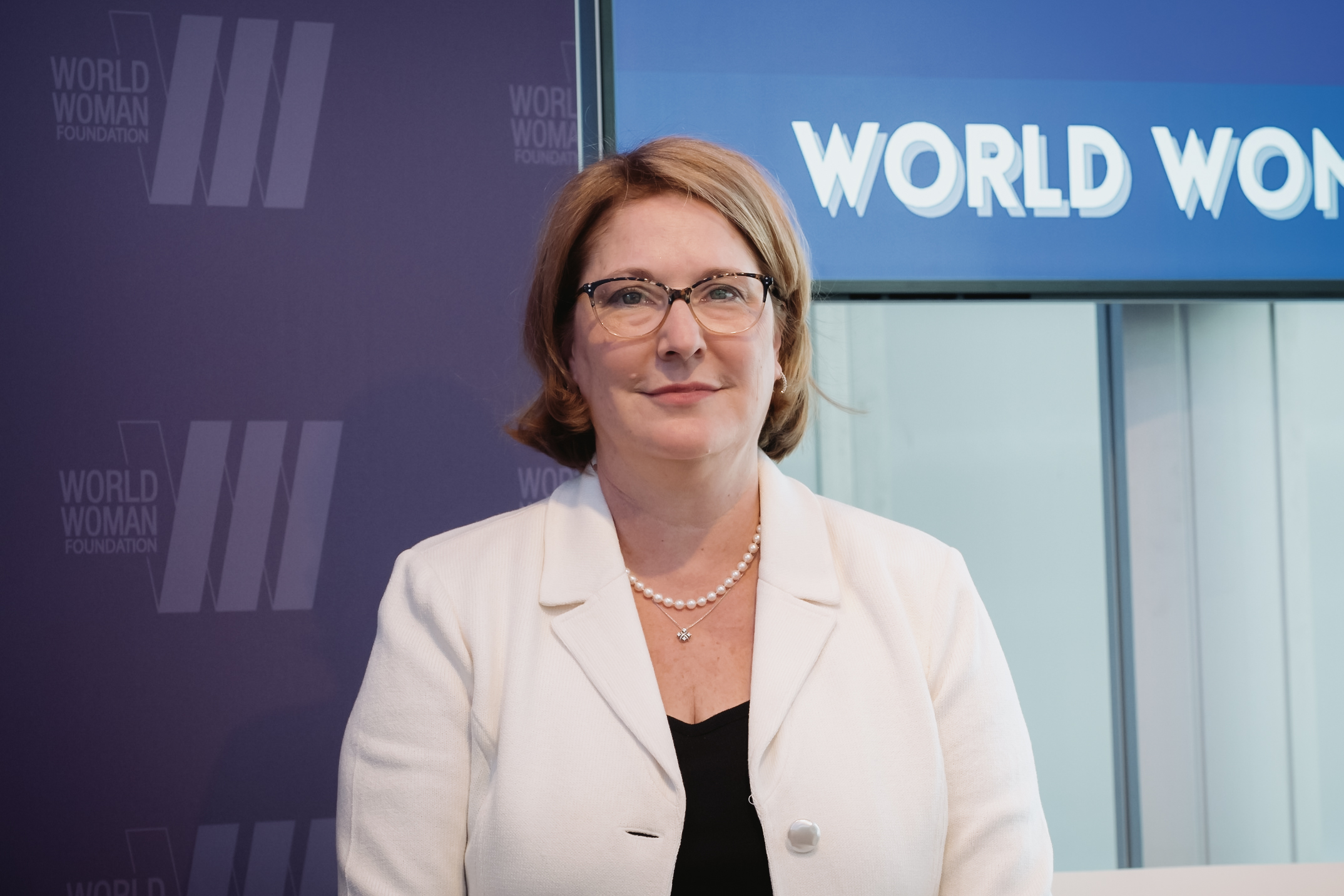
Geralyn Ritter, A Champion For Women's Health & World Woman Hero Of The Year
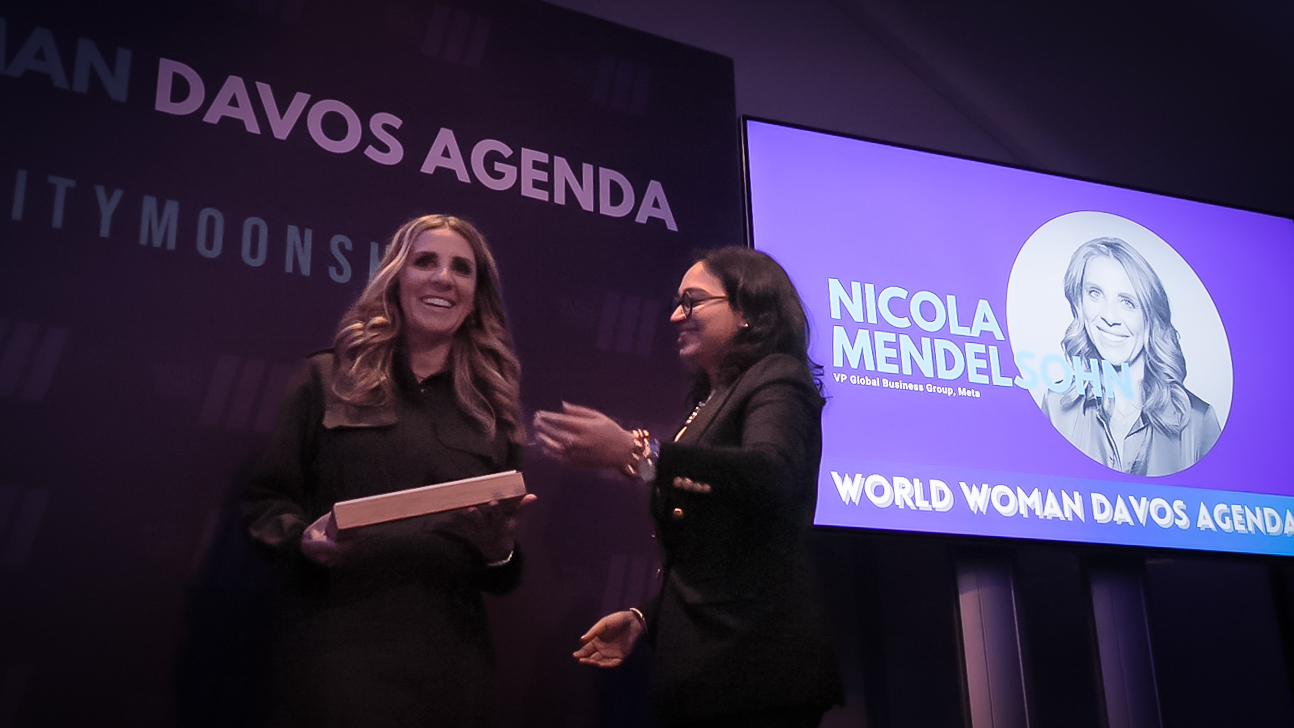
World Woman Hero Nicola Mendelsohn: Empowering 1.5 Million Women In The Creative Economy

World Woman Hero Federica Marchionni: A Fierce Advocate Of A Sustainable Planet
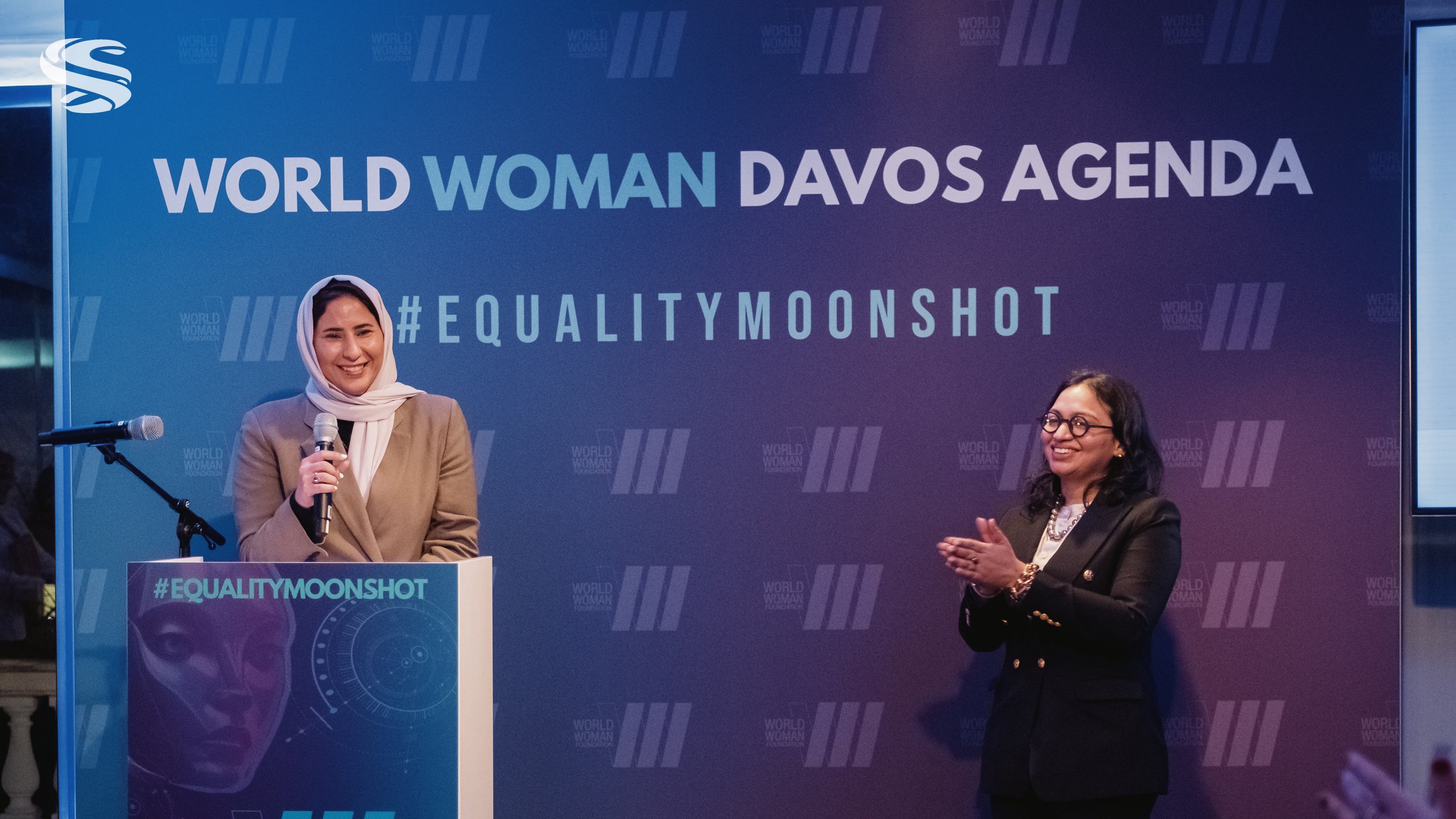
World Woman Honoree Fatma Al-Nuaimi: Leading the new era of equality in Middle East
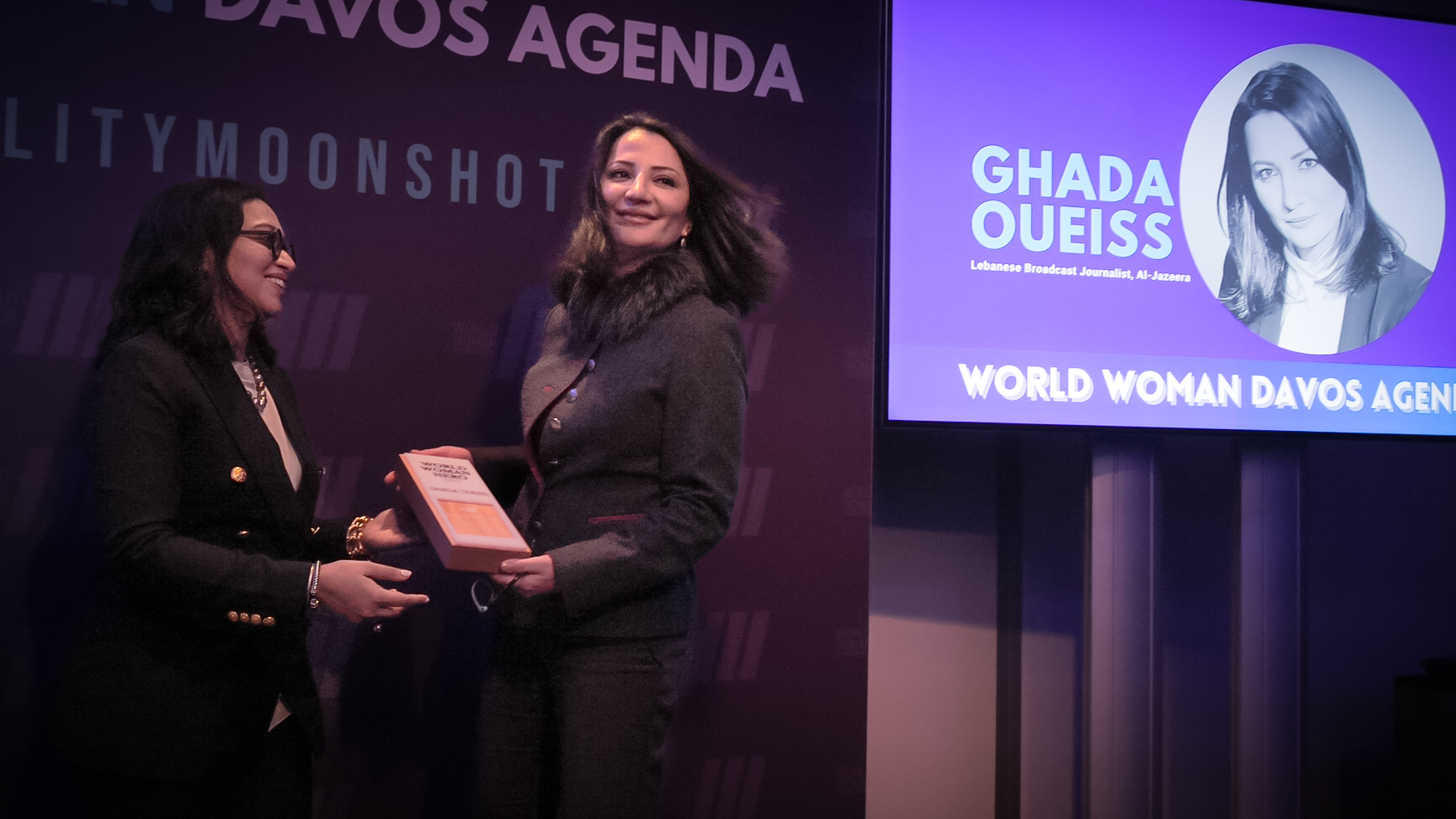
World Woman Hero Ghada Oueiss: A fierce advocate for change and justice for women in Middle East
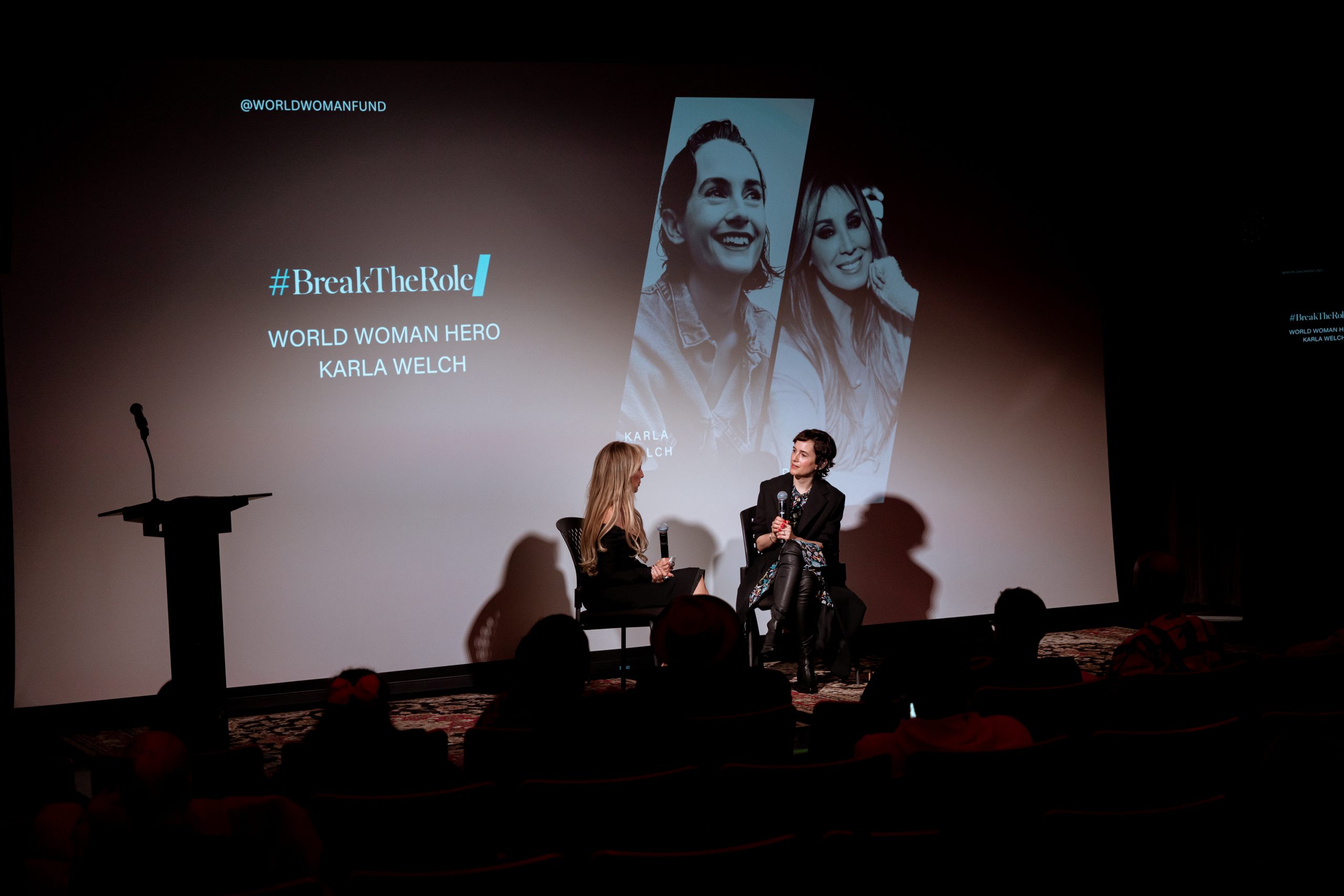
World Woman Hero Karla Welch: Unstoppable Force Behind The Period Company and Women's Rights Advocacy
AI Questions All Women Need to Ask…And Answer
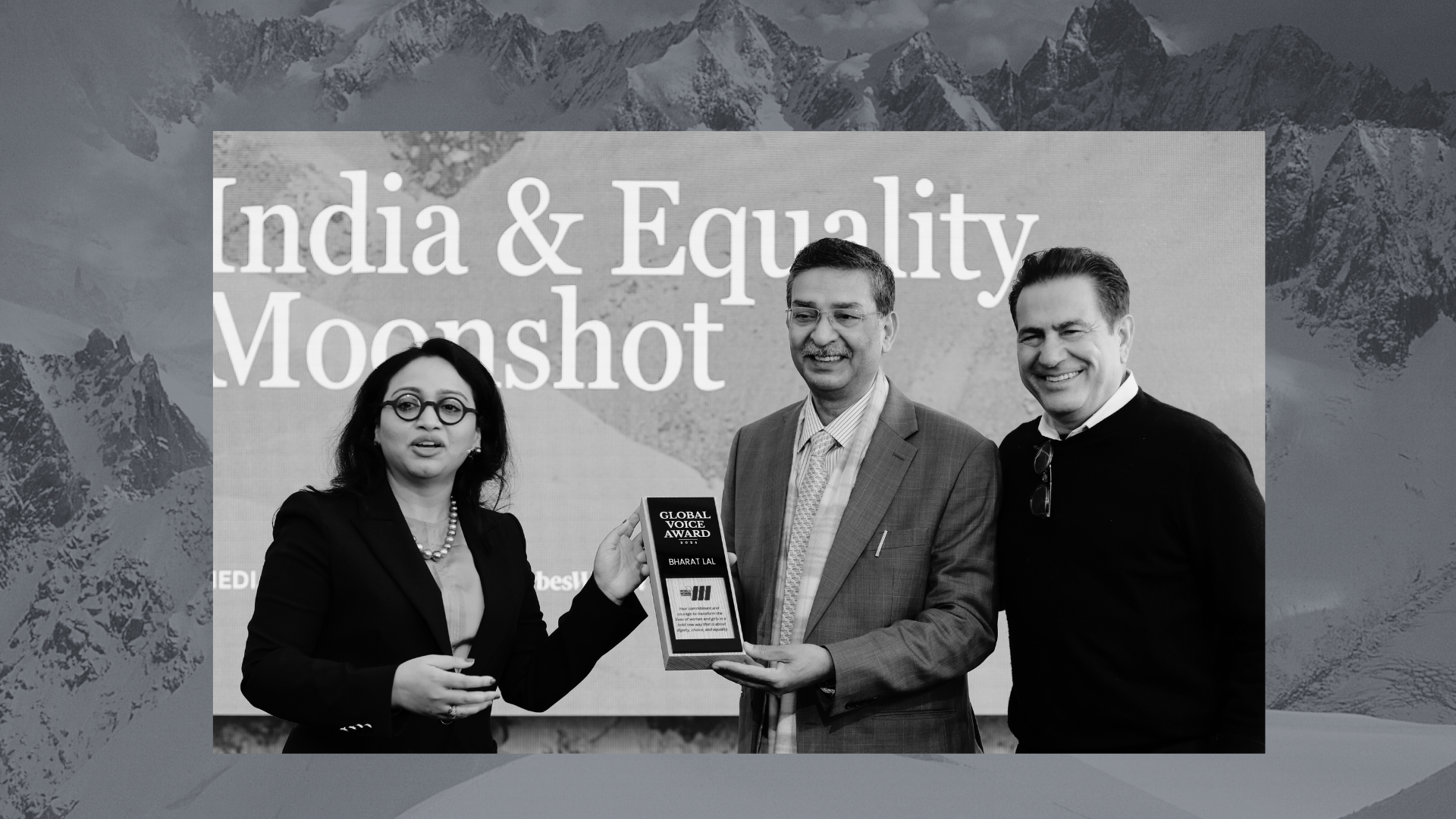
Global Voice Honoree Bharat Lal On India’s Equality Moonshot Vision and Global Prosperity
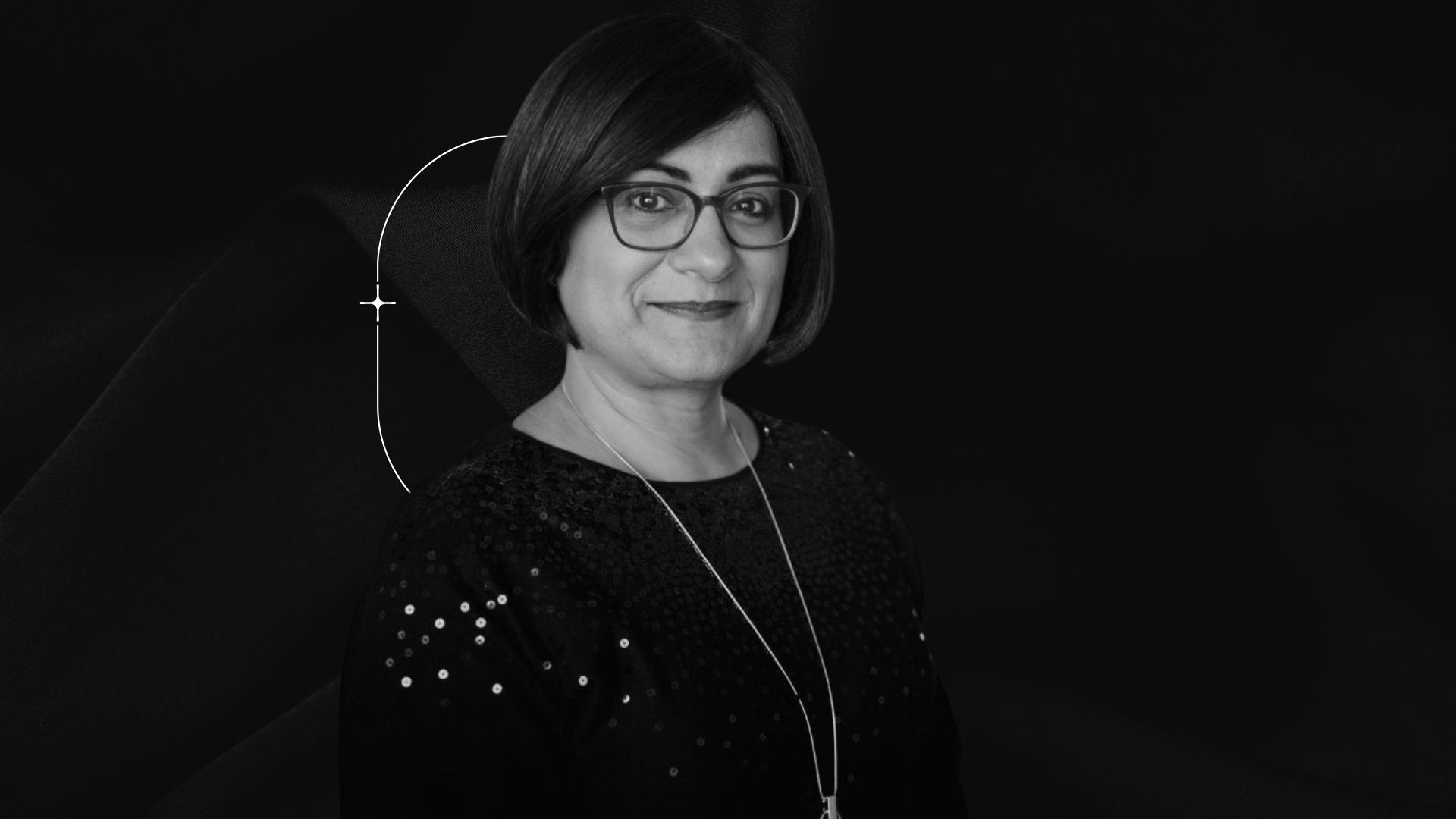
Visionary Media Executive Lalita Taylor Joins World Woman Foundation's Advisory Council for the UK Region
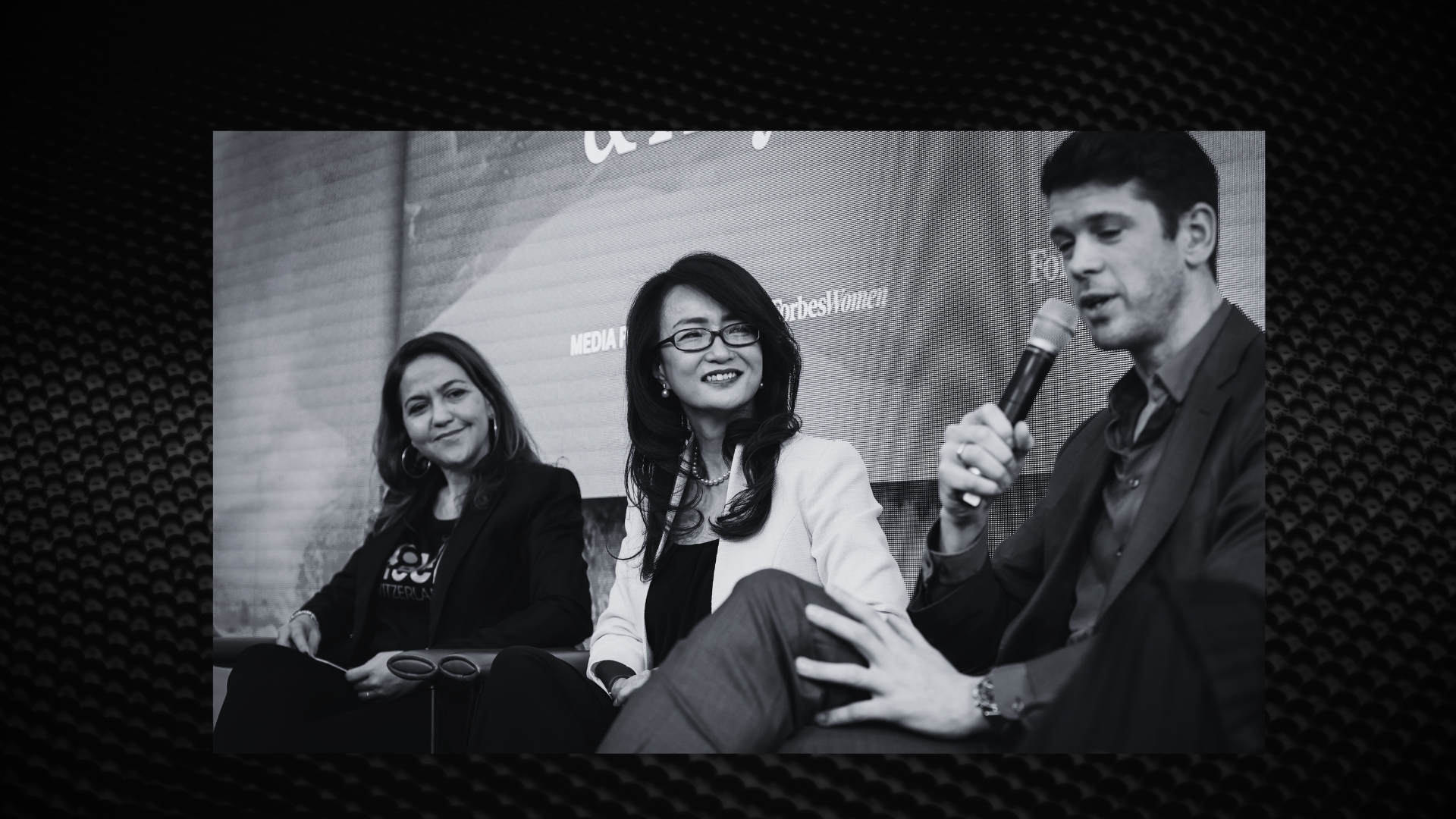
Allyship and Diversity: Catalysts for Innovation and Sustainable Development in Tech
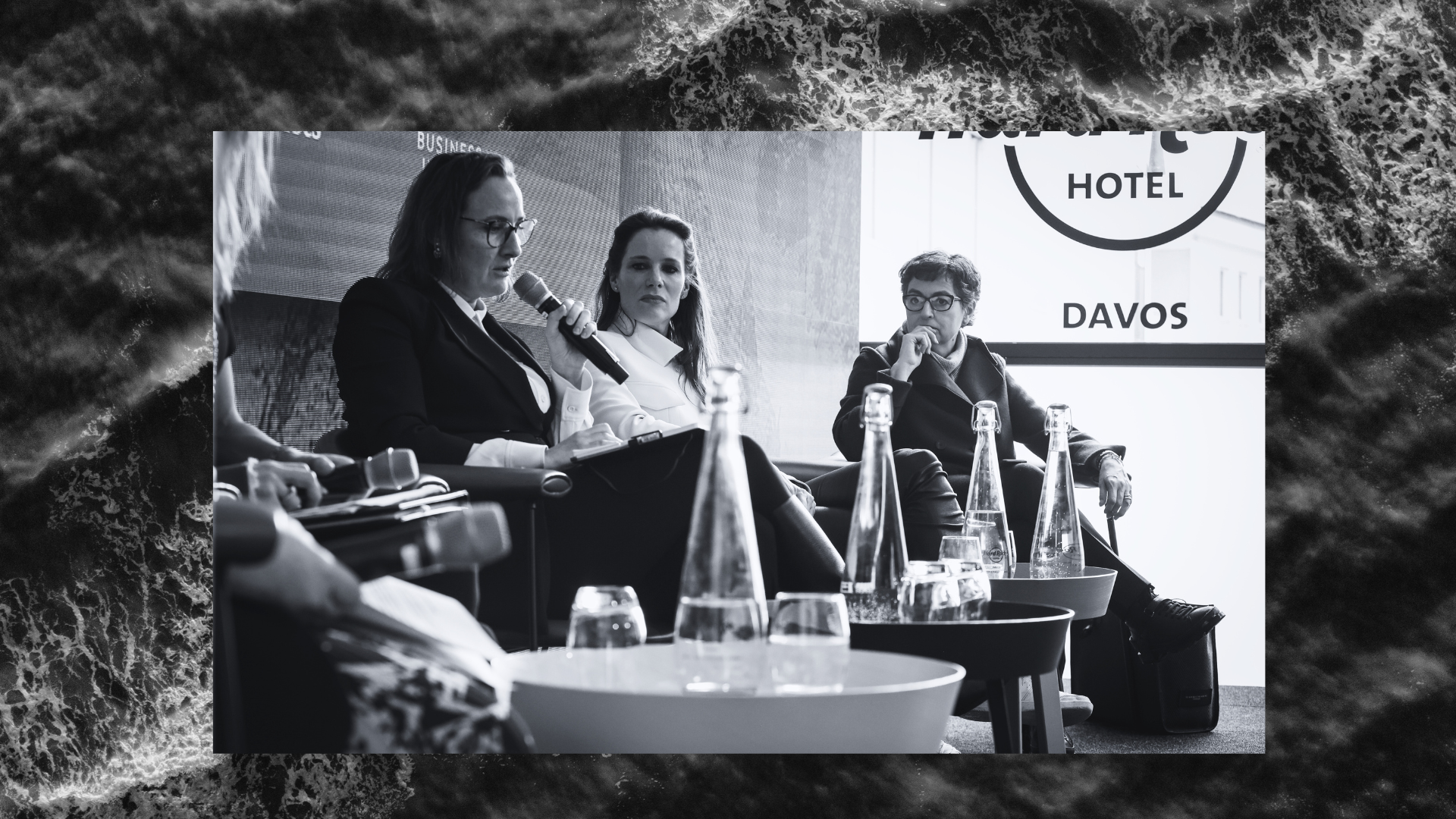
Women Harnessing Global Cooperation In An Interconnected World
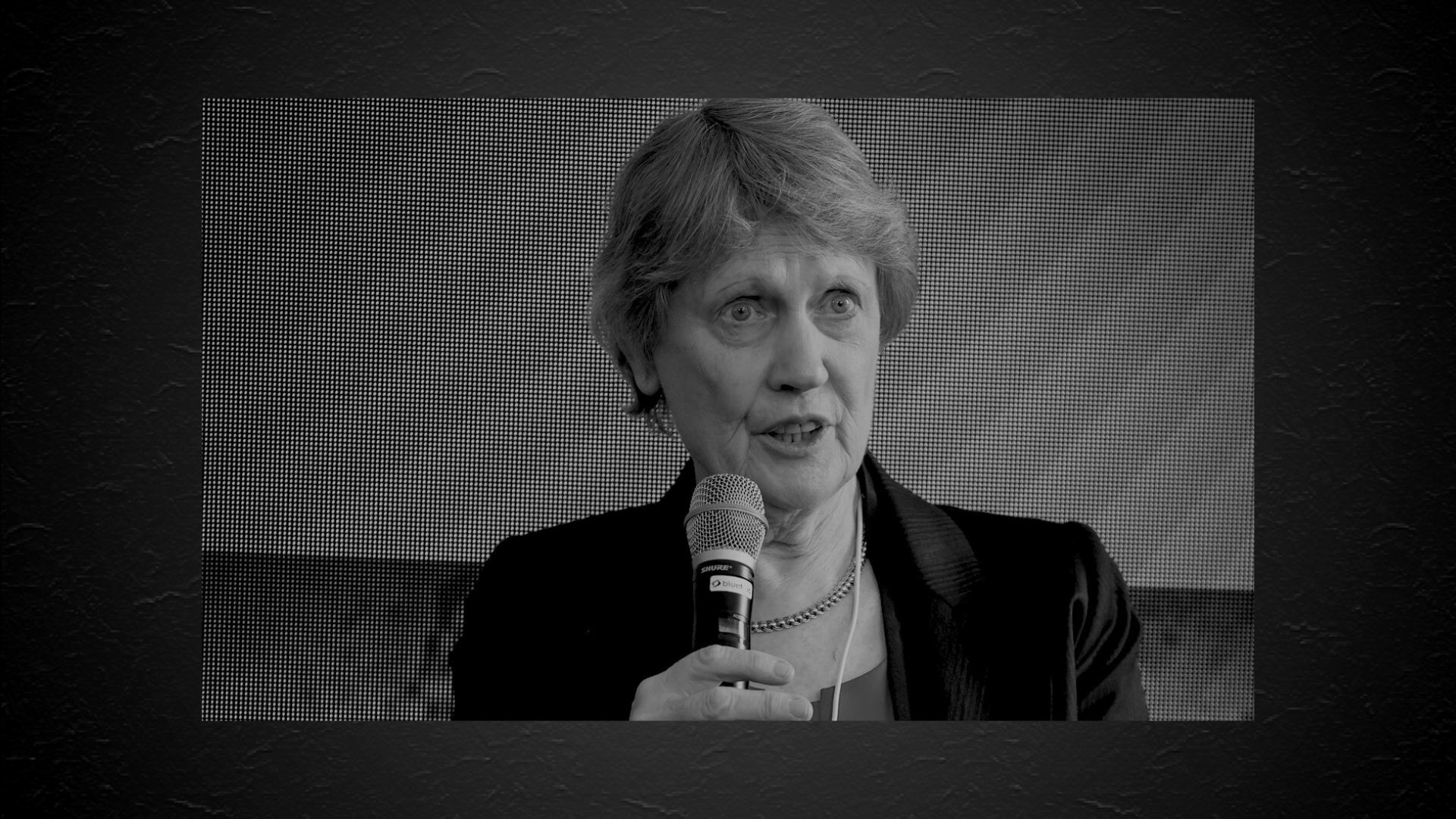
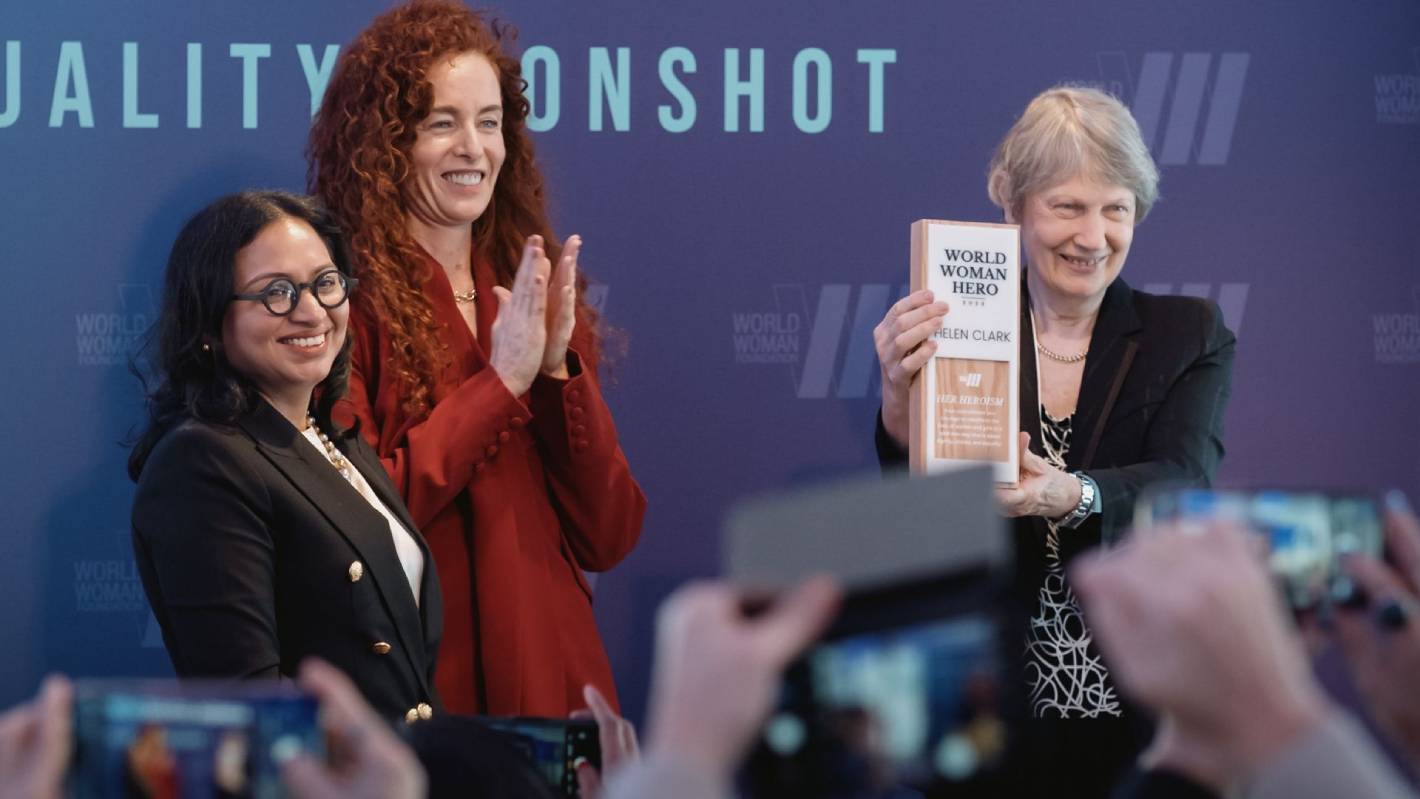
The Power of Women in Politics: Prime Minister Helen Clark On Breaking Barriers and Building Bridges
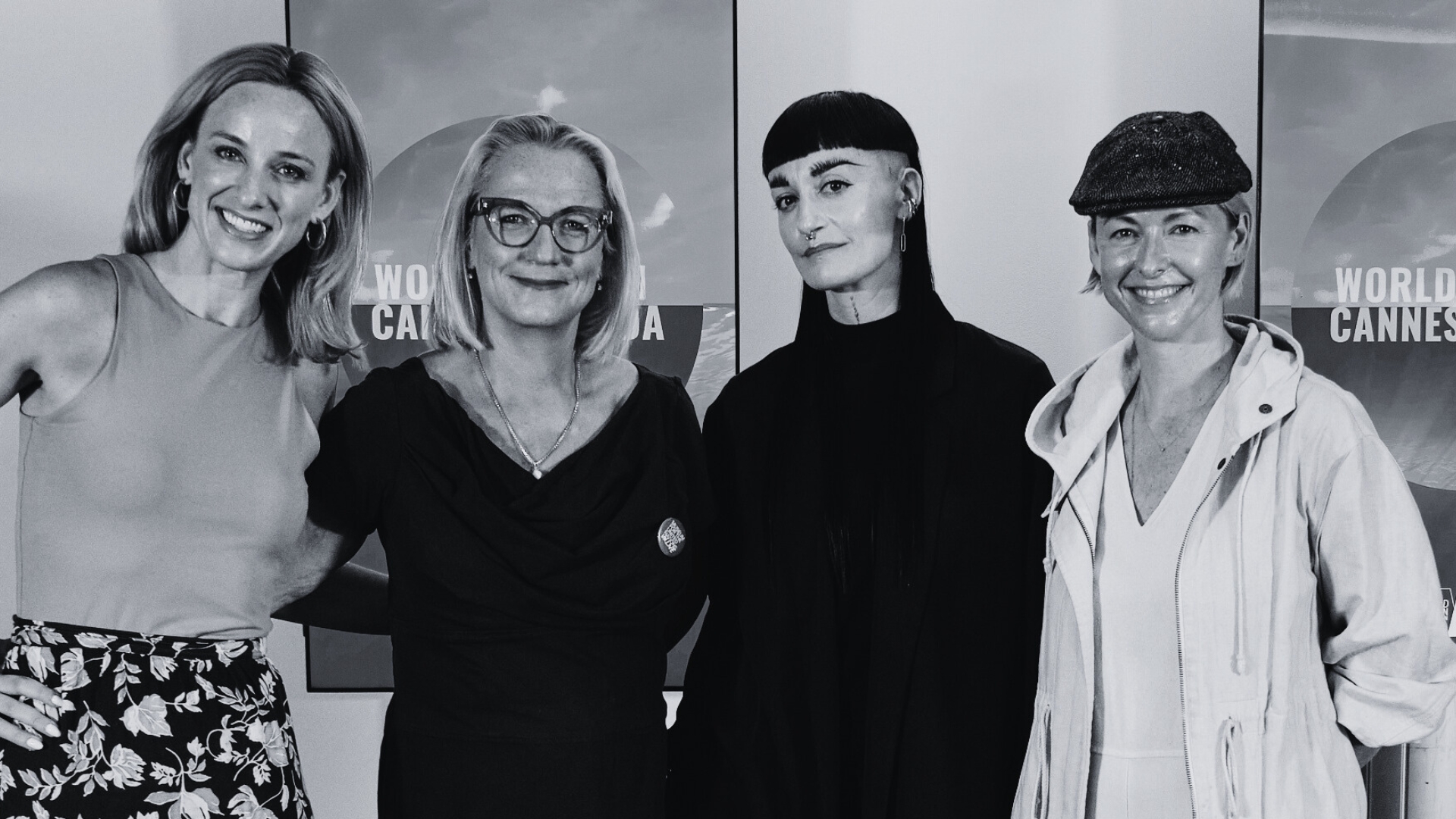
Power of Sound in Global Activism
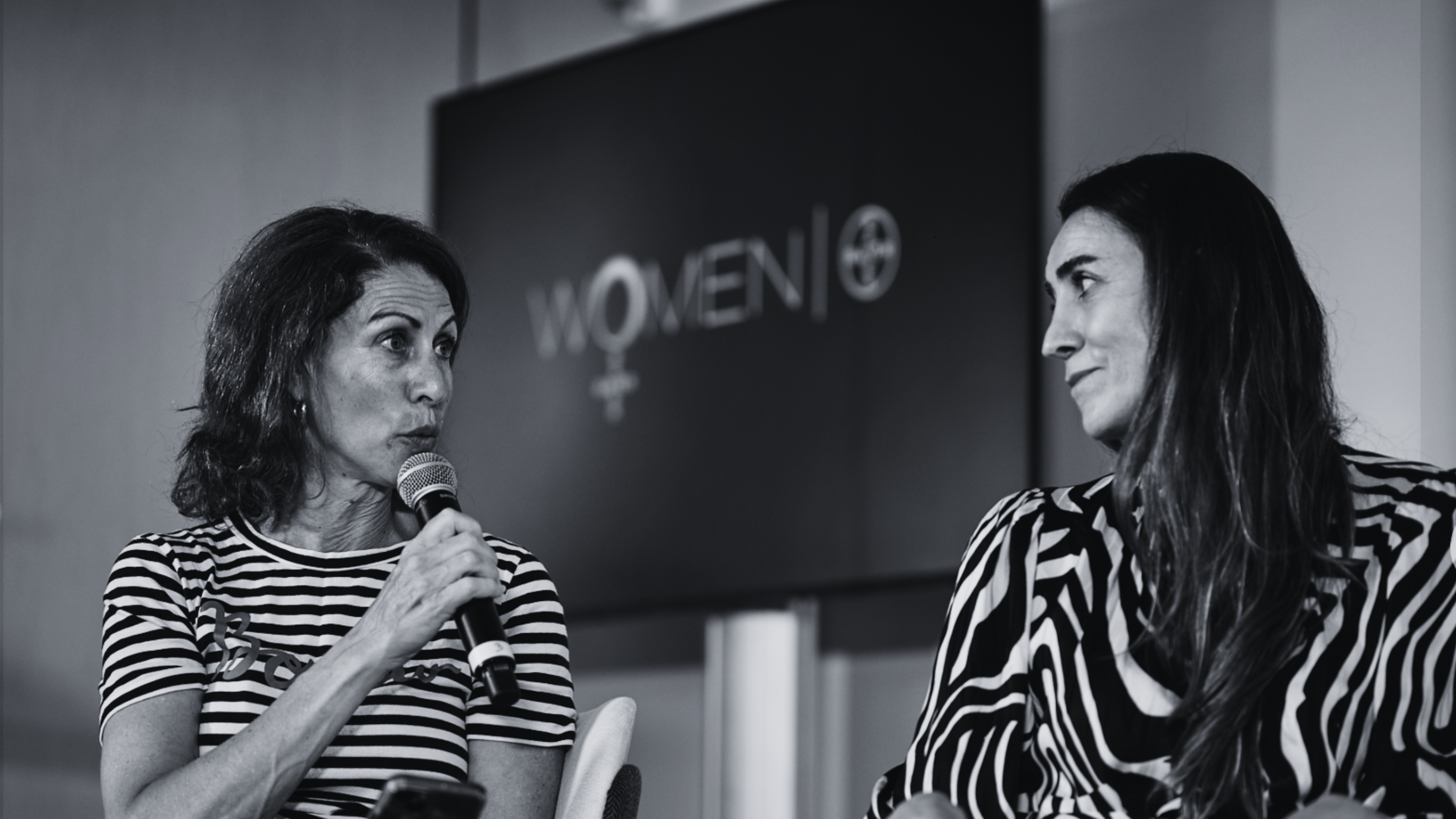
Breaking the Silence on Menopause: A Call to Action
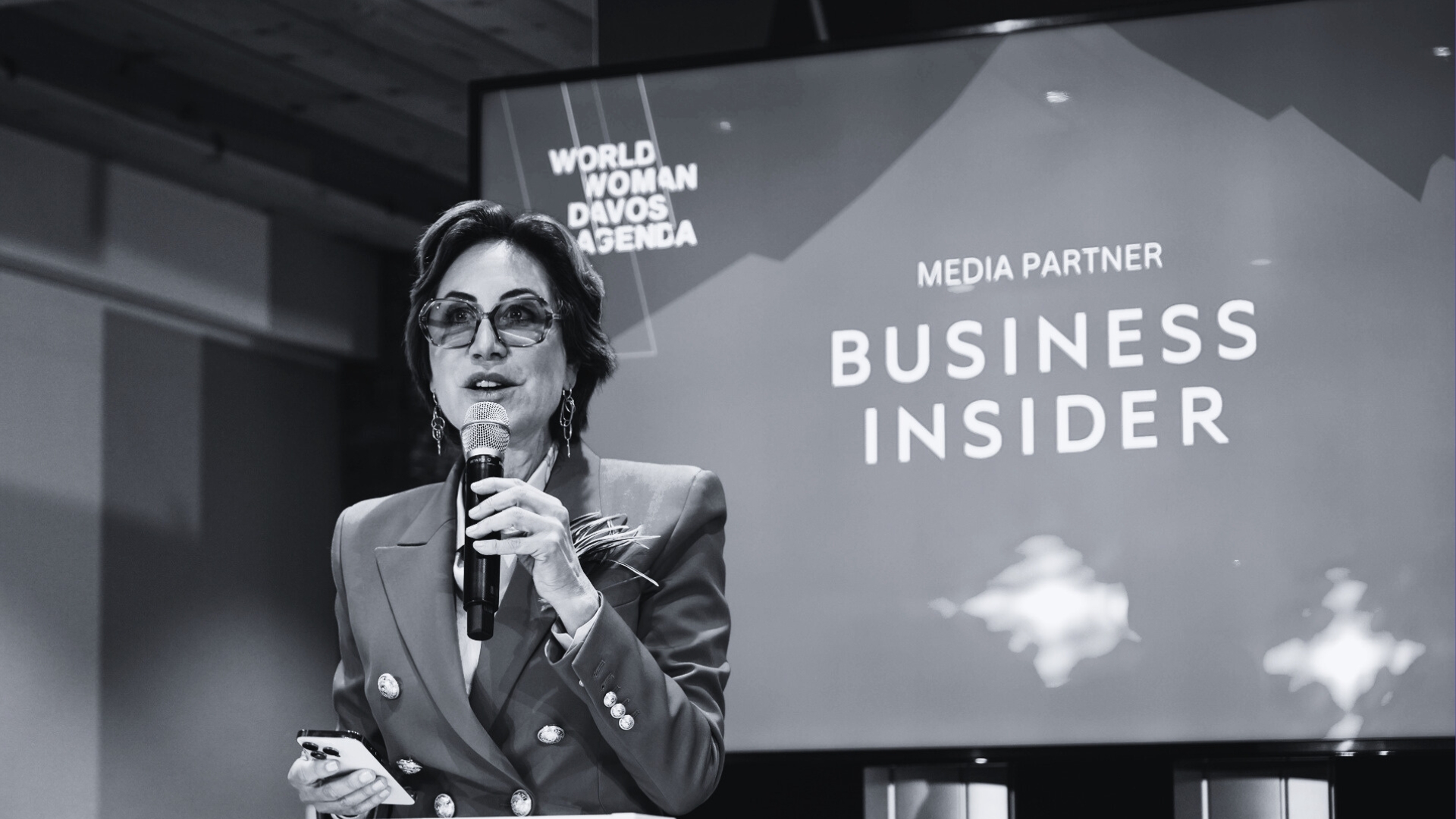
Carolina Müller-Möhl: The Powerhouse Investor and Philanthropist Driving Equality In A Bold New Way
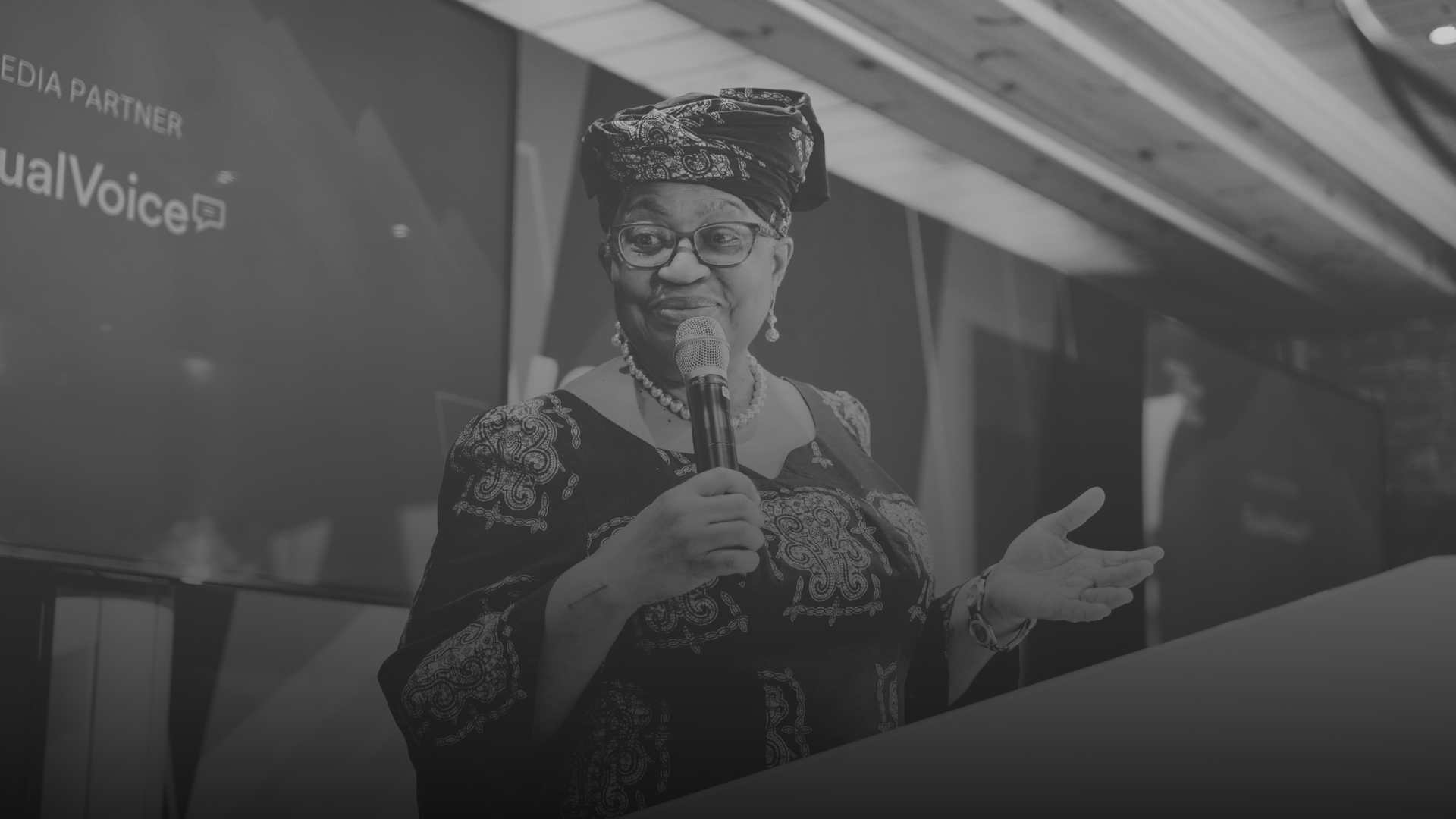
Dr. Ngozi: Shaping The Future Of Inclusive Global Trade & Tackling Protectionism






























Motivating Young Women to Excel in the Field...
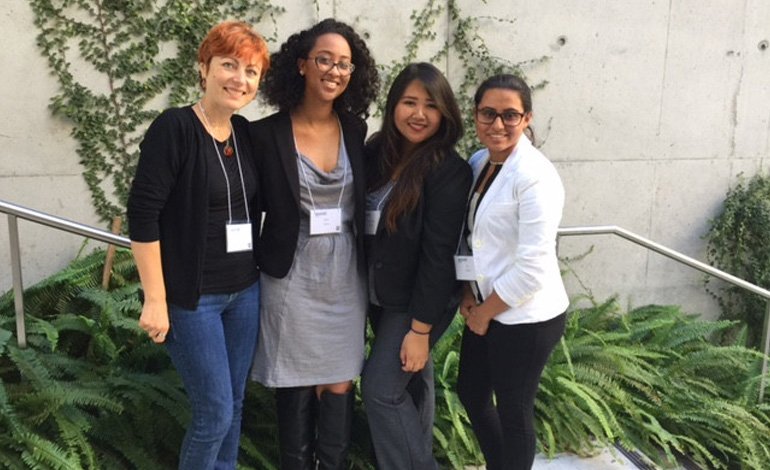
Inspired by her elementary teacher who was a mathematician and passionate about science, Dr. Luiza Nogaj, a young girl...
Heifer International: an Inclusive Solution to Hunger and...
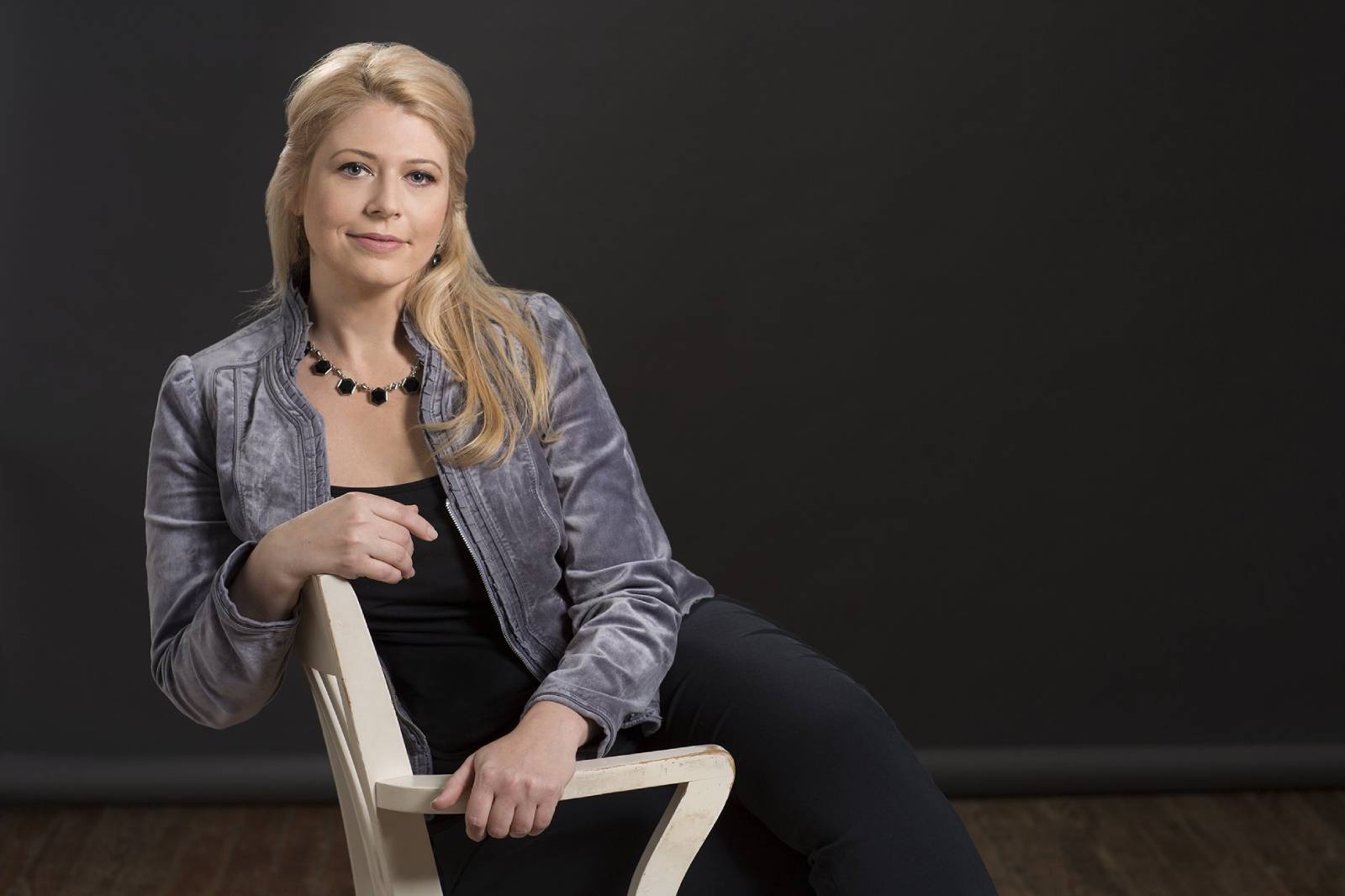
Since 1944, nonprofit Heifer International has equipped and empowered families and communities around the world to build...
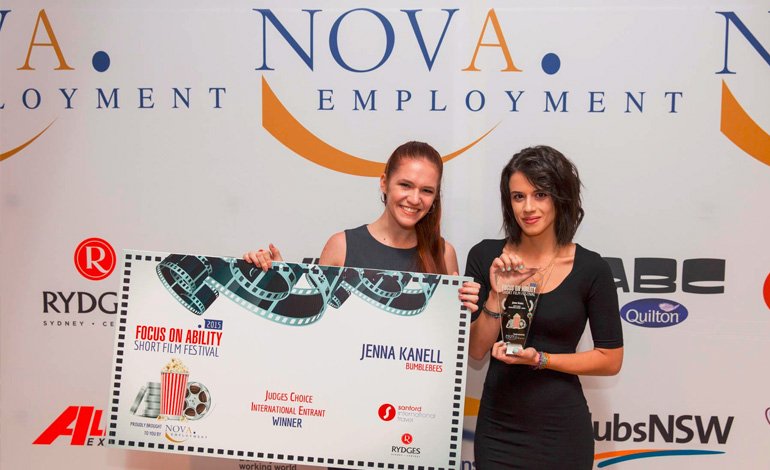
Winners of The Disability Film Challenge, Jenna Kanell...
“People say that the bumblebee should not be able to fly. According to the laws of aerodynamics, his wings are too short,...
Spotlight: Noor Al Yaseen, Saudi Arabia Woman Filmmaker
With only two years left to complete her program in medical school, Noor Al Yaseen made the decision to drop out. Eight...
TeamSense Is Helping Companies Connect Their Hourly Teams...
For years, corporate communication has mainly happened through email. In this day and age, we can’t imagine our lives...