Women’s health is undergoing one of the most significant transformations in decades. Advances in science, digital technology, and patient engagement are creating new opportunities to improve health outcomes, while women are taking a more active role than ever before in understanding, managing, and advocating for their own wellbeing.
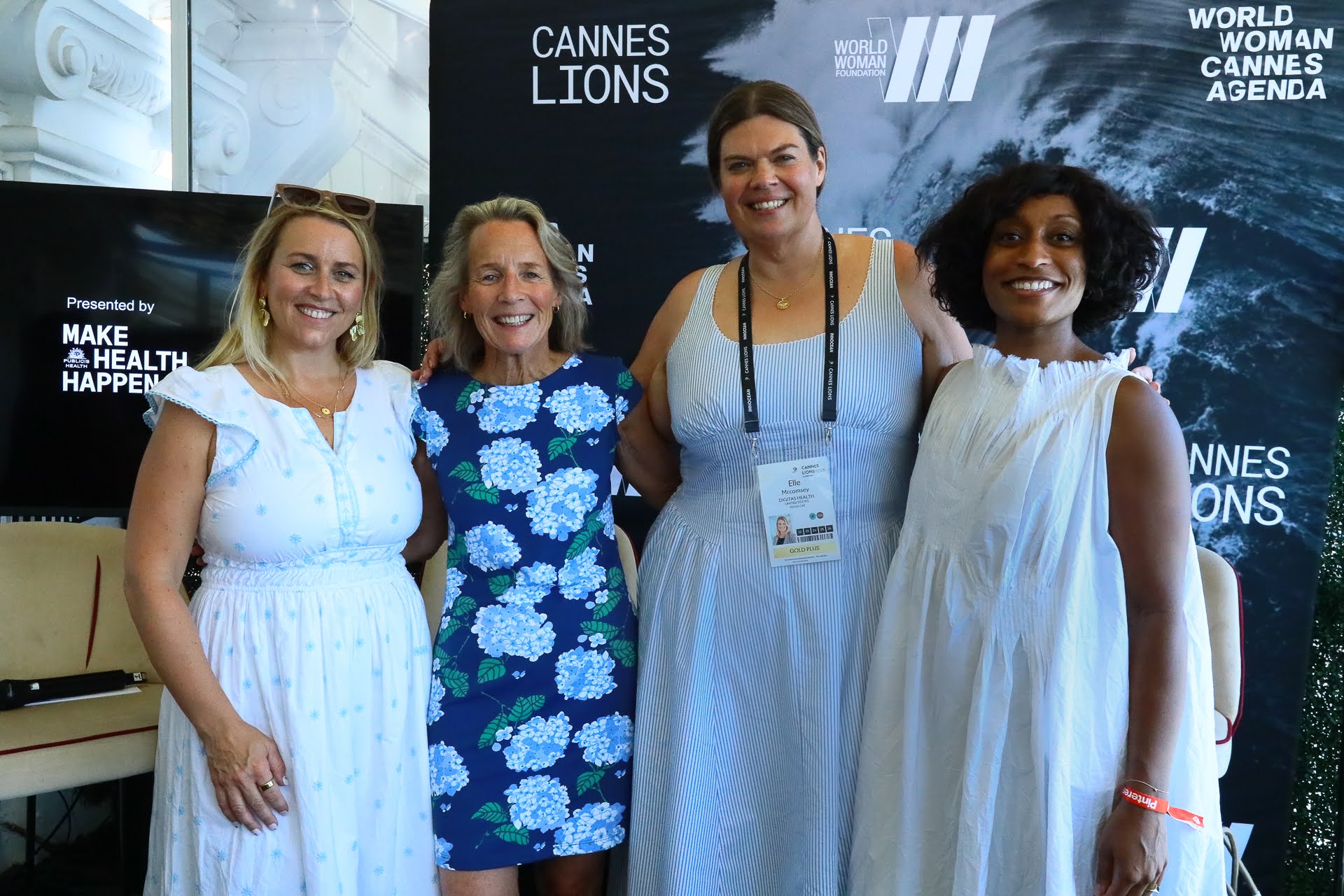
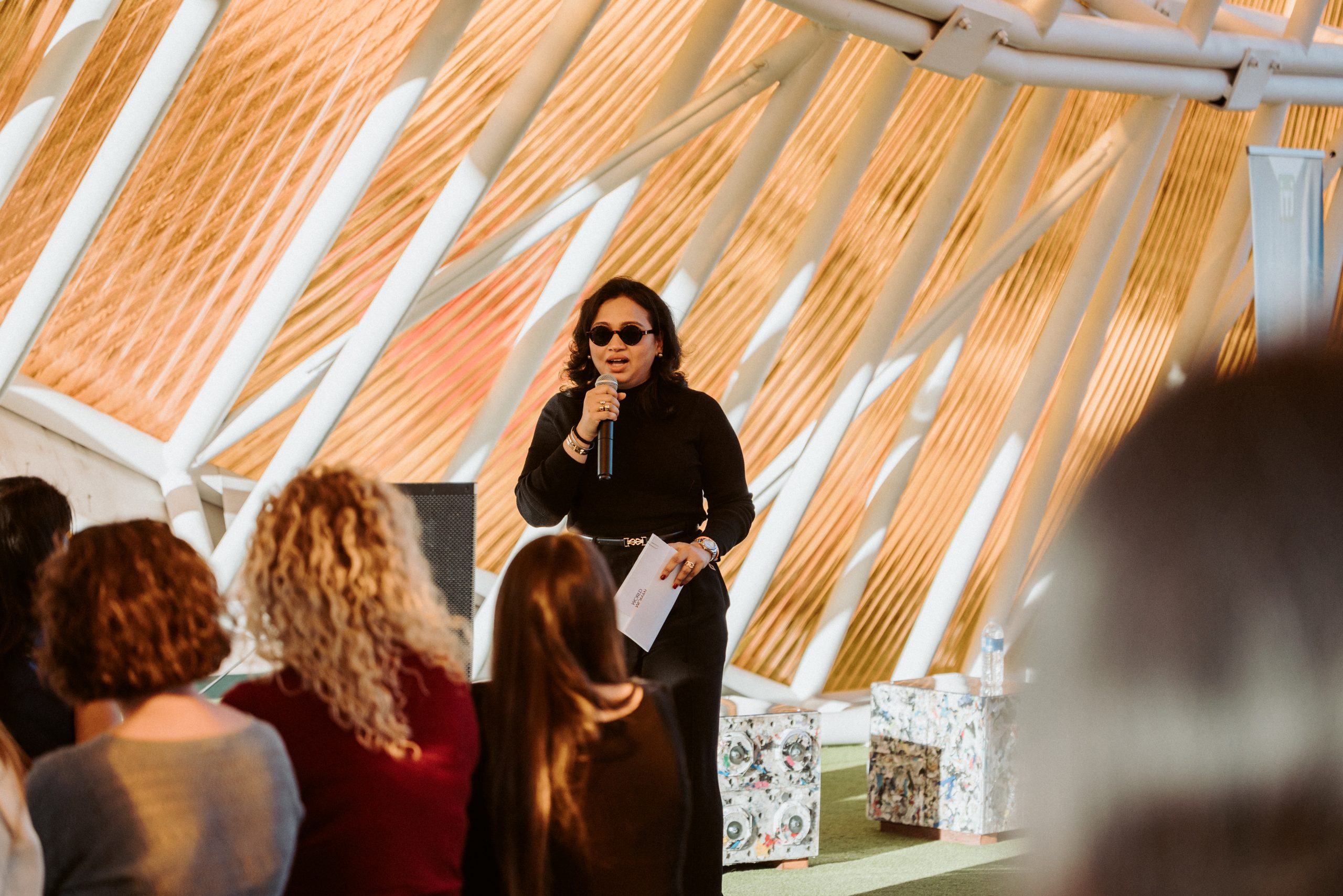
At the World Woman Cannes Agenda, held alongside the Cannes Lions International Festival of Creativity, Allison Worldwide brought together global leaders from healthcare, communications, technology, and the nonprofit sector to explore what it will take to create a healthier future for women. Through two compelling conversations, industry experts examined how innovation, trusted communication, and collaboration are reshaping the way women experience healthcare.
 Moderated by Wendy Lund, Global CEO of Allison Worldwide, the sessions featured leaders from the Milken Institute, Bristol Myers Squibb, Clio Health, Reddit, and Novo Nordisk, each bringing a unique perspective on one shared mission: empowering women with the knowledge, resources, and confidence to take control of their health.
The first discussion, Women and Their Health: The Good, the Bad and the Ugly, offered an honest assessment of where women’s health stands today. While groundbreaking advances in research and treatment continue to improve lives, the panel acknowledged that many women still face barriers to quality care, delayed diagnoses, unequal access to treatment, and persistent gaps in health education.
Michelle Stevenson, Executive Director of Marketing and Communications at the Milken Institute, emphasized that solving these challenges requires collaboration across sectors. Healthcare systems, policymakers, researchers, businesses, and communicators must work together to ensure that every woman has access to quality care and reliable information regardless of where she lives.
Representing Bristol Myers Squibb, Fran DeSena, Vice President of Global Commercialization Cell Therapy and Market Communications Corporate Affairs, highlighted the importance of keeping patients at the center of innovation. Scientific breakthroughs have the greatest impact when they are accompanied by clear, compassionate communication that helps patients understand their treatment options and make informed decisions.
Emily Seal, Executive Director at Clio Health, shared how creativity has become one of healthcare’s most powerful tools. She explained that effective communication is no longer about delivering information alone. It is about creating meaningful stories that connect with people emotionally, build trust, and make complex health topics easier to understand.
The conversation reinforced that improving women’s health requires more than medical innovation. It requires changing how healthcare is communicated, ensuring that every woman feels informed, represented, and empowered throughout her healthcare journey.
The second session, The Enablement Era: Women Taking Control of Health in the Age of GLP 1s, shifted the focus toward one of the fastest evolving topics in healthcare today.
As GLP-1 therapies continue to transform conversations around obesity, metabolic health, diabetes, and chronic disease management, the panel explored how women are becoming more informed healthcare consumers and active participants in decisions about their well-being.
Jessica Calef, Industry Director for Health at Reddit, discussed how online communities have become an important source of education, support, and shared experience. Millions of people turn to trusted digital communities to ask questions, exchange personal stories, and learn from others navigating similar health journeys. Listening to these conversations allows healthcare organizations to better understand patient needs while delivering information in ways that are relevant, authentic, and accessible.
Kristi Sorbello Frank, Vice President of Strategic Sourcing and Business Operations at Novo Nordisk, spoke about the responsibility that comes with groundbreaking innovation. As awareness of GLP 1 therapies continues to grow globally, healthcare leaders must ensure that scientific advances are matched with responsible education, transparency, and long-term patient support. Innovation alone is not enough. Empowering patients with trusted information remains essential to achieving meaningful health outcomes.
Across both conversations, Wendy Lund guided a thoughtful discussion around one central idea: healthcare is no longer defined solely by clinical settings. Today’s health decisions are influenced by the content people consume, the communities they trust, the stories they hear, and the digital platforms they engage with every day.
The discussions highlighted that communications have become a critical pillar of modern healthcare. Building trust, improving health literacy, combating misinformation, and ensuring that every woman has access to understandable and reliable information are just as important as scientific discovery itself.
The future of women’s health will be shaped by partnerships that bring together healthcare companies, technology platforms, creative agencies, nonprofit organizations, and patient communities. Together, these collaborations have the power to reach women where they are, create culturally relevant conversations, and inspire healthier choices.
Key Takeaways
Women’s health requires collaboration across healthcare, technology, communications, business, and public policy.
Scientific innovation delivers the greatest impact when paired with clear, compassionate, and accessible communication.
Creativity is helping transform complex medical information into stories that educate, inspire, and build trust.
Digital communities have become trusted spaces where women seek knowledge, share experiences, and support one another.
Emerging therapies such as GLP 1 medications represent significant progress, but education and patient empowerment must evolve alongside innovation.
The future of healthcare belongs to organizations that listen to patients, foster collaboration, and design solutions around real human experiences.
As the conversations concluded, one message stood above all others. The future of women’s health will not be defined by breakthroughs in medicine alone. It will be shaped by the conversations that challenge old assumptions, the partnerships that bridge industries, and the commitment to ensuring every woman has the knowledge, confidence, and support to make informed decisions about her health.
Changing the future of women’s health begins with changing the conversation. At the World Woman Cannes Agenda, that conversation is already well underway.